Celebrating the 50th anniversary of the Australia–Japan Basic Treaty of Friendship and Cooperation through science, cultural exchange and collaboration. Young gravitational-wave researchers from Australia and Japan came together in Kanazawa to exchange scientific ideas, experience each other’s cultures and build the relationships that will shape the future of international science. As Australia and Japan celebrate […]
Celebrating the 50th anniversary of the Australia–Japan Basic Treaty of Friendship and Cooperation through science, cultural exchange and collaboration.
Young gravitational-wave researchers from Australia and Japan came together in Kanazawa to exchange scientific ideas, experience each other’s cultures and build the relationships that will shape the future of international science.
As Australia and Japan celebrate the 50th anniversary of the Basic Treaty of Friendship and Cooperation, a new generation of scientists is helping carry that relationship forward.
Signed in Tokyo in 1976, the Treaty established a foundation for enduring friendship, mutual understanding and cooperation between the two countries. Fifty years later, those principles continue to be reflected in the research partnerships, cultural exchange and people-to-people connections linking Australia and Japan.
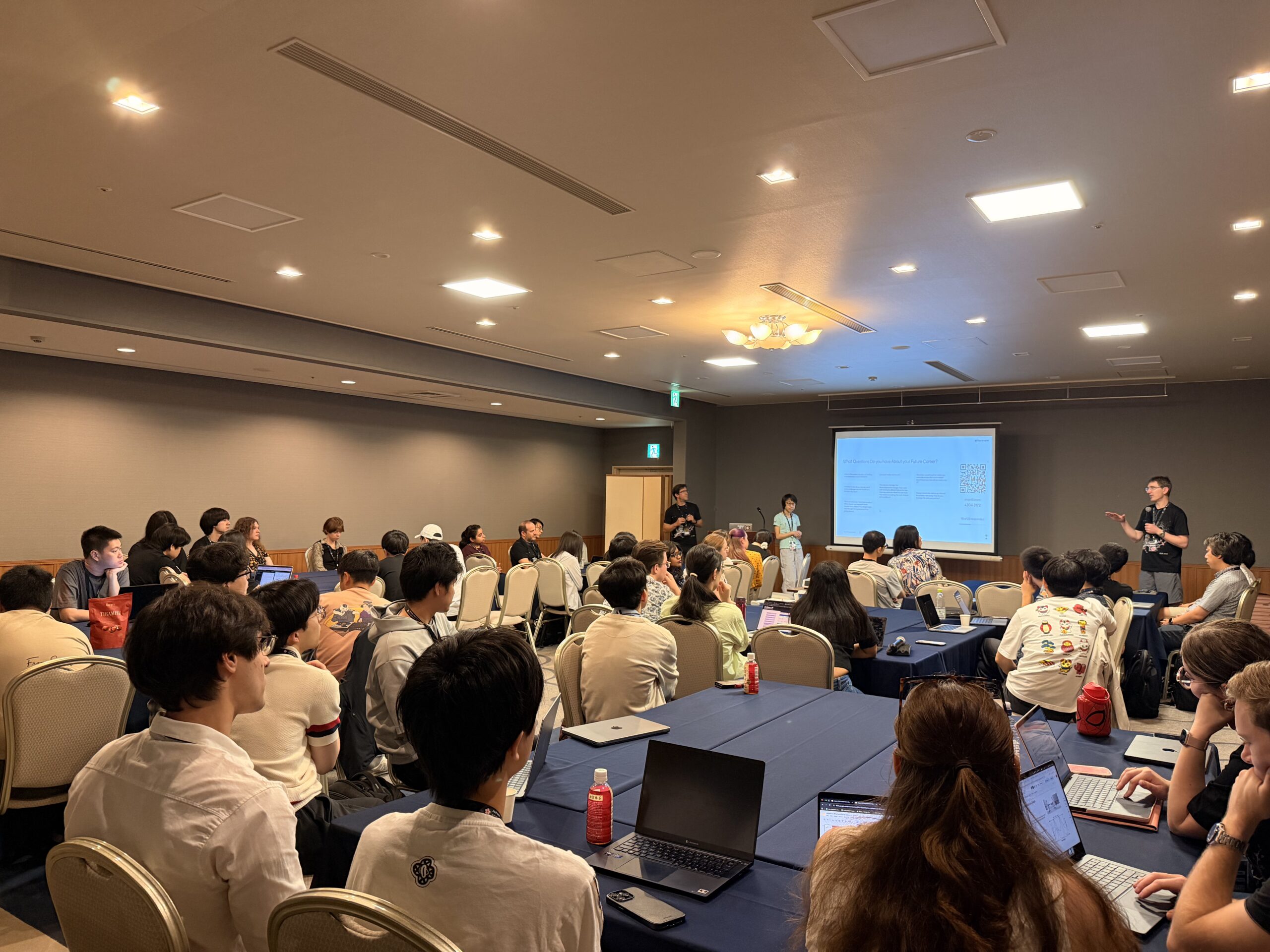
Last week, early career researchers in gravitational-wave science and astrophysics from universities and research institutions across Australia and Japan gathered in Kanazawa for the Joint OzGrav–KAGRA Early Career Researcher School. The group included researchers connected with Australia’s ARC Centre of Excellence for Gravitational Wave Discovery (OzGrav), the KAGRA collaboration, the Institute of Science Tokyo, the University of Tokyo and other institutions across both countries.
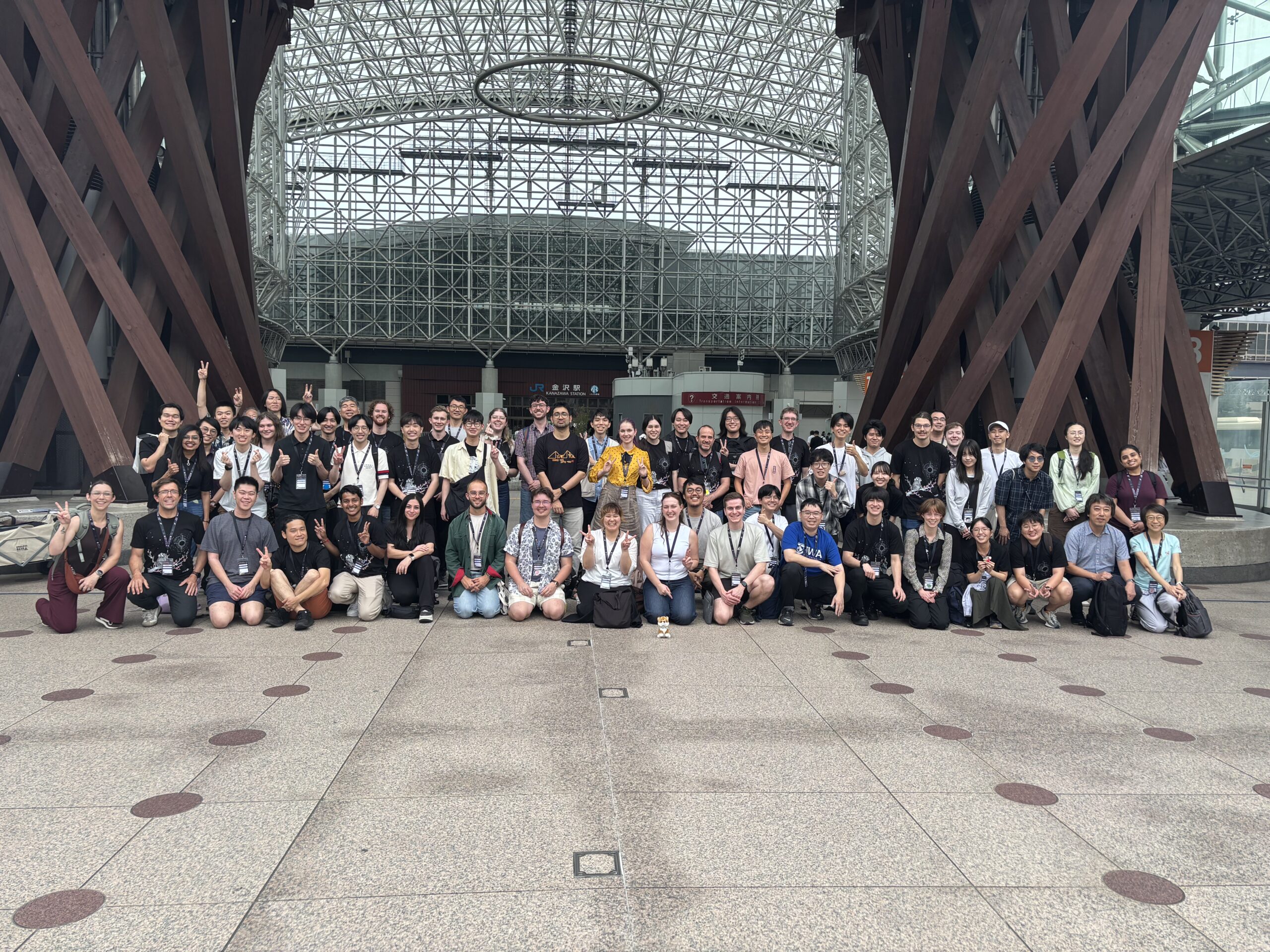
The school brought together cutting-edge gravitational-wave science, professional development and cultural exchange, giving emerging researchers from both countries the opportunity to learn from one another and form relationships early in their careers.
Gravitational-wave science is international by nature. Detecting tiny ripples in spacetime requires observatories, researchers and institutions around the world to work together. The school helped participants see that collaboration not only as a scientific necessity, but as something built through trust, communication and shared experience.
A major highlight was the visit to KAGRA, the world’s first underground gravitational-wave detector and the first to use cryogenically cooled mirrors.
For many of the Australian participants, travelling into the mountains of Gifu Prefecture and entering KAGRA’s kilometre-scale underground tunnels brought the science they study to life. They saw the extraordinary engineering required to detect movements far smaller than the width of an atom and met the scientists and engineers working directly on the observatory.
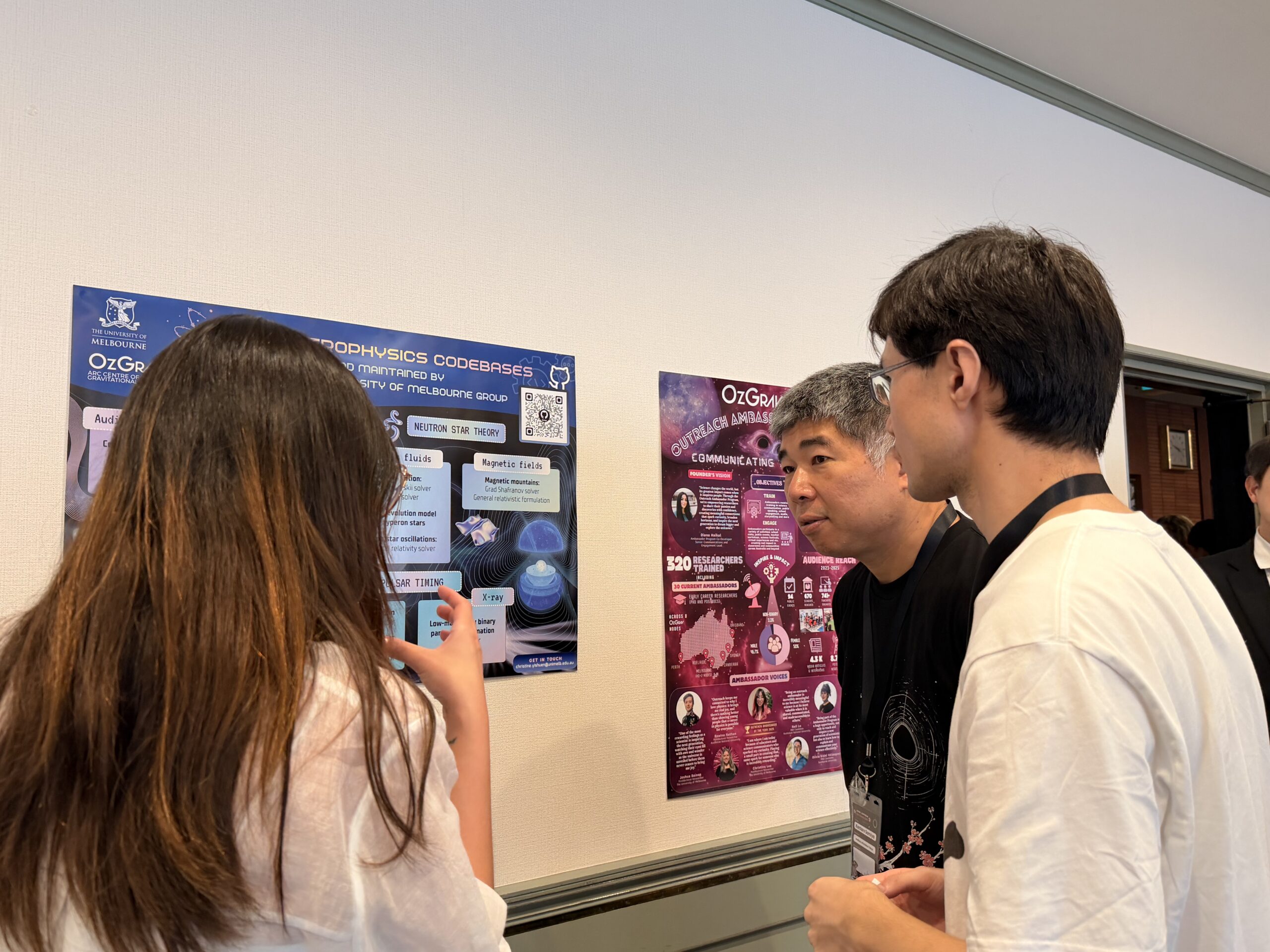
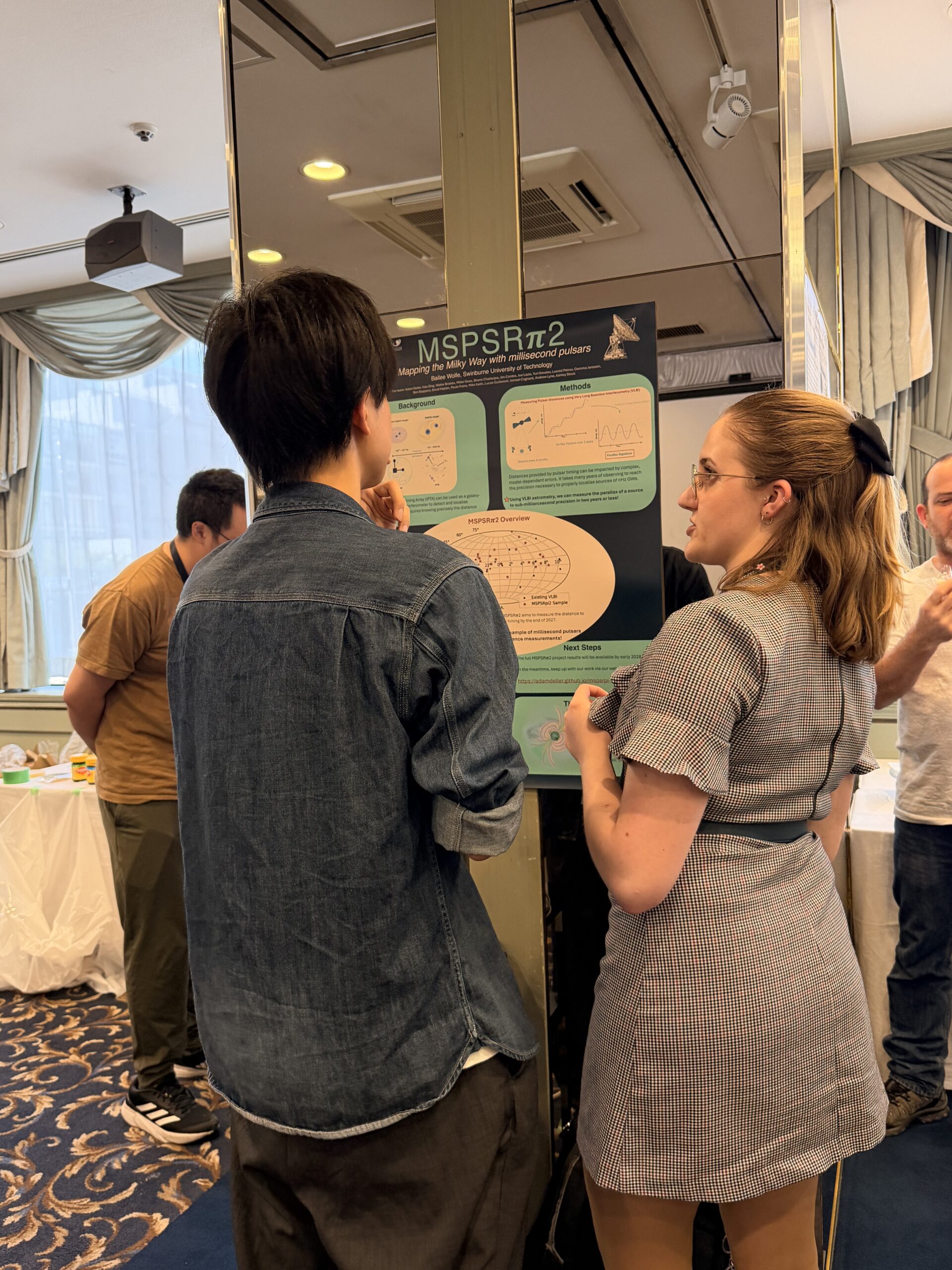
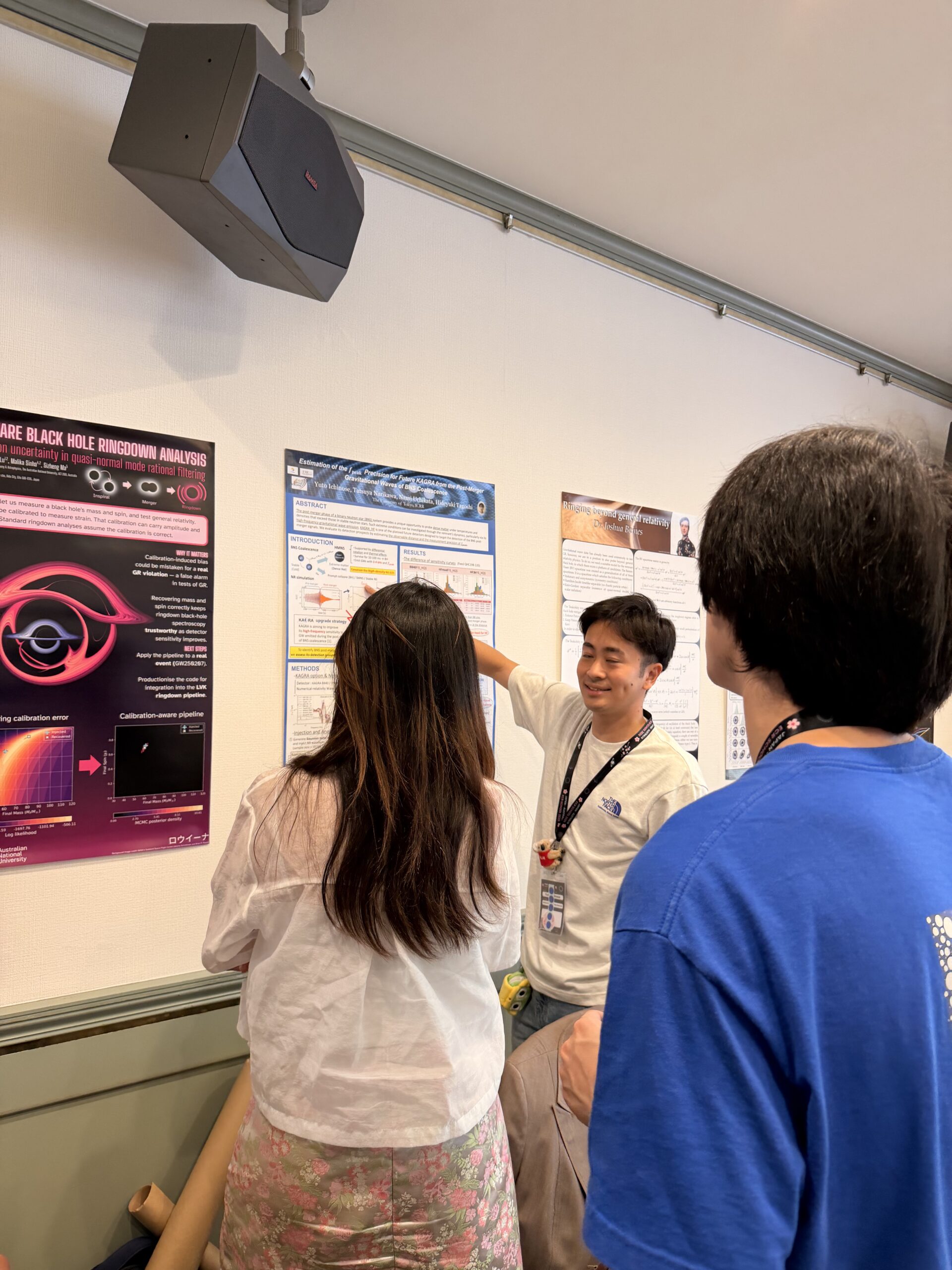
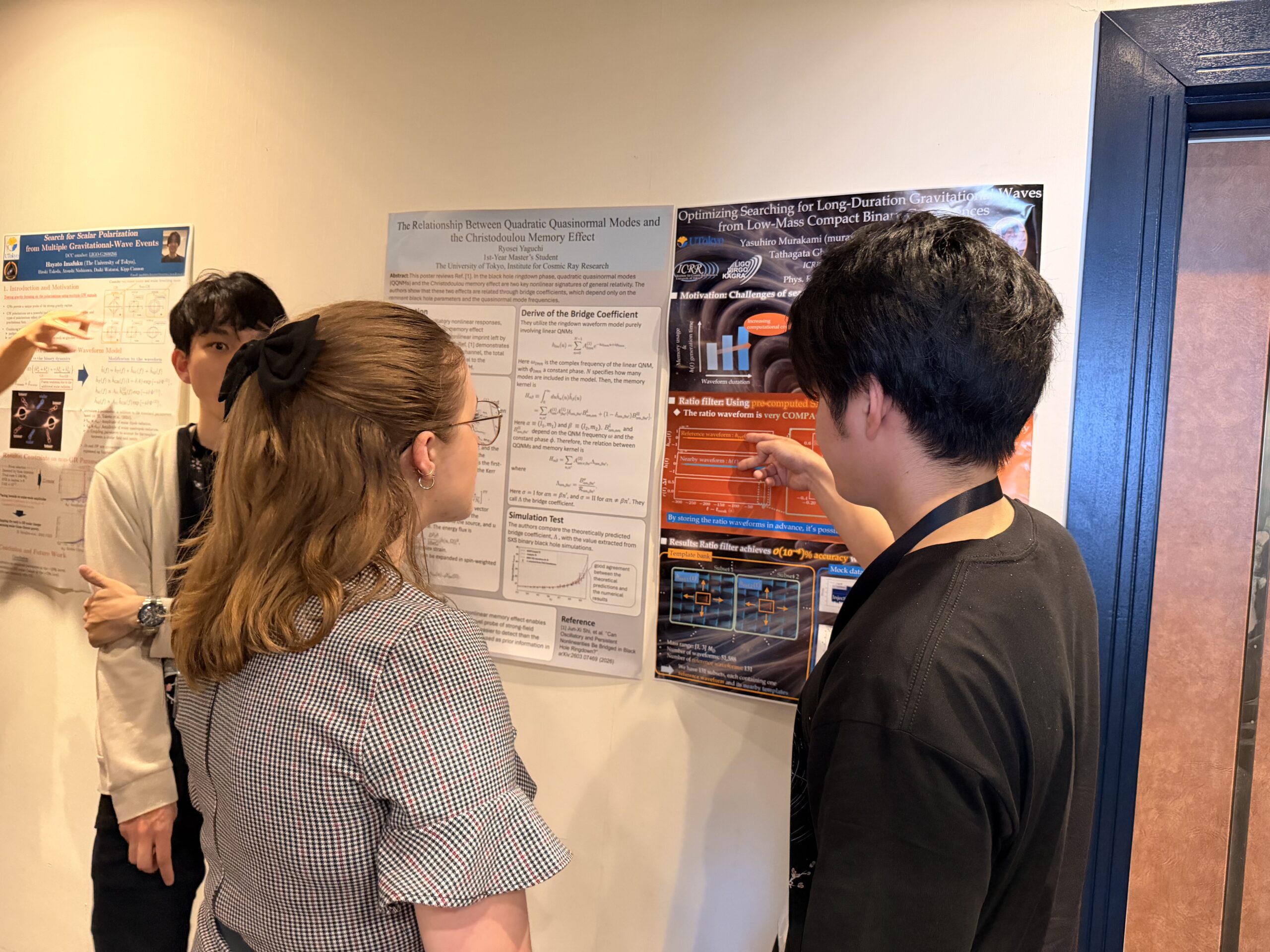
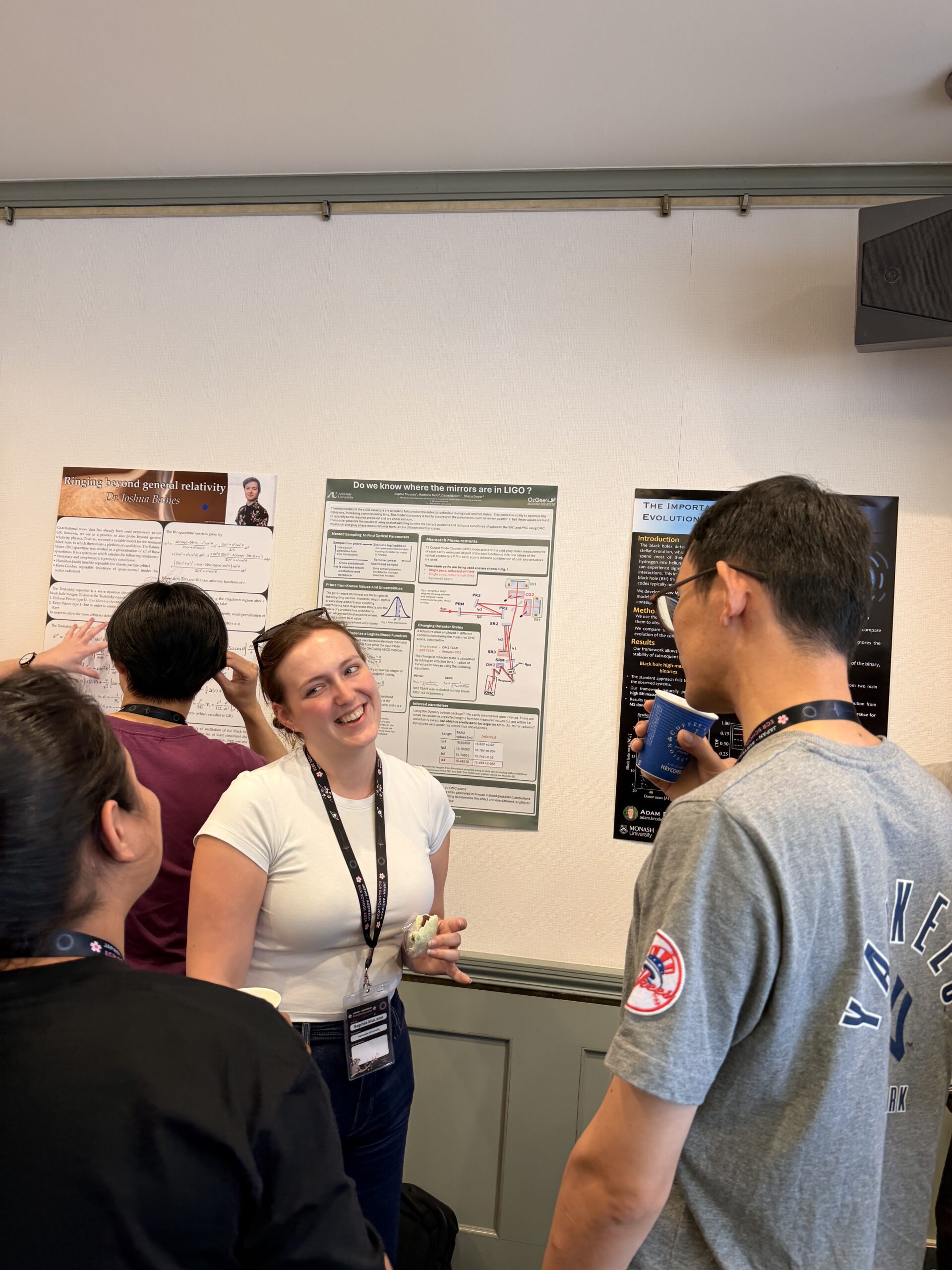
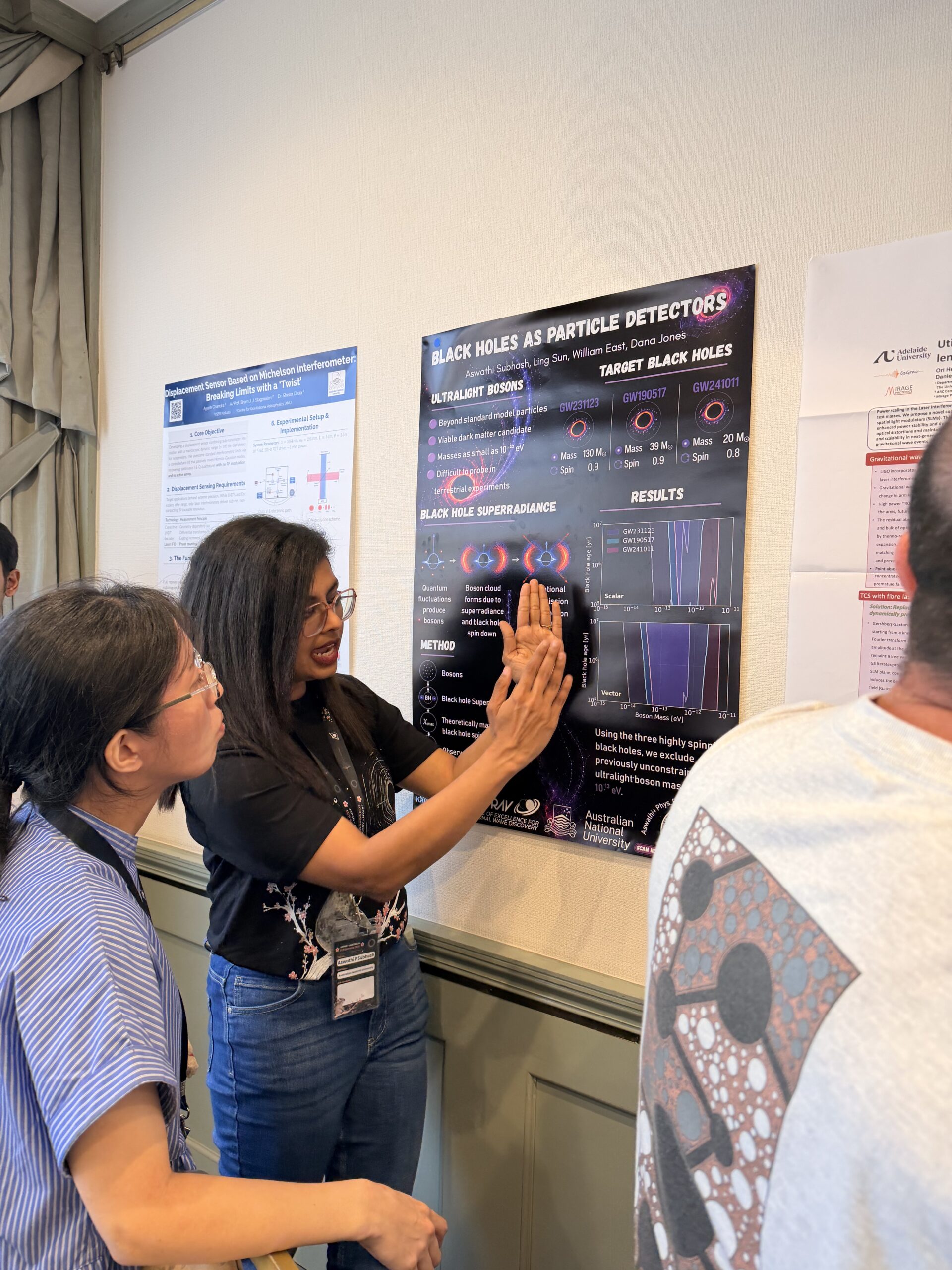
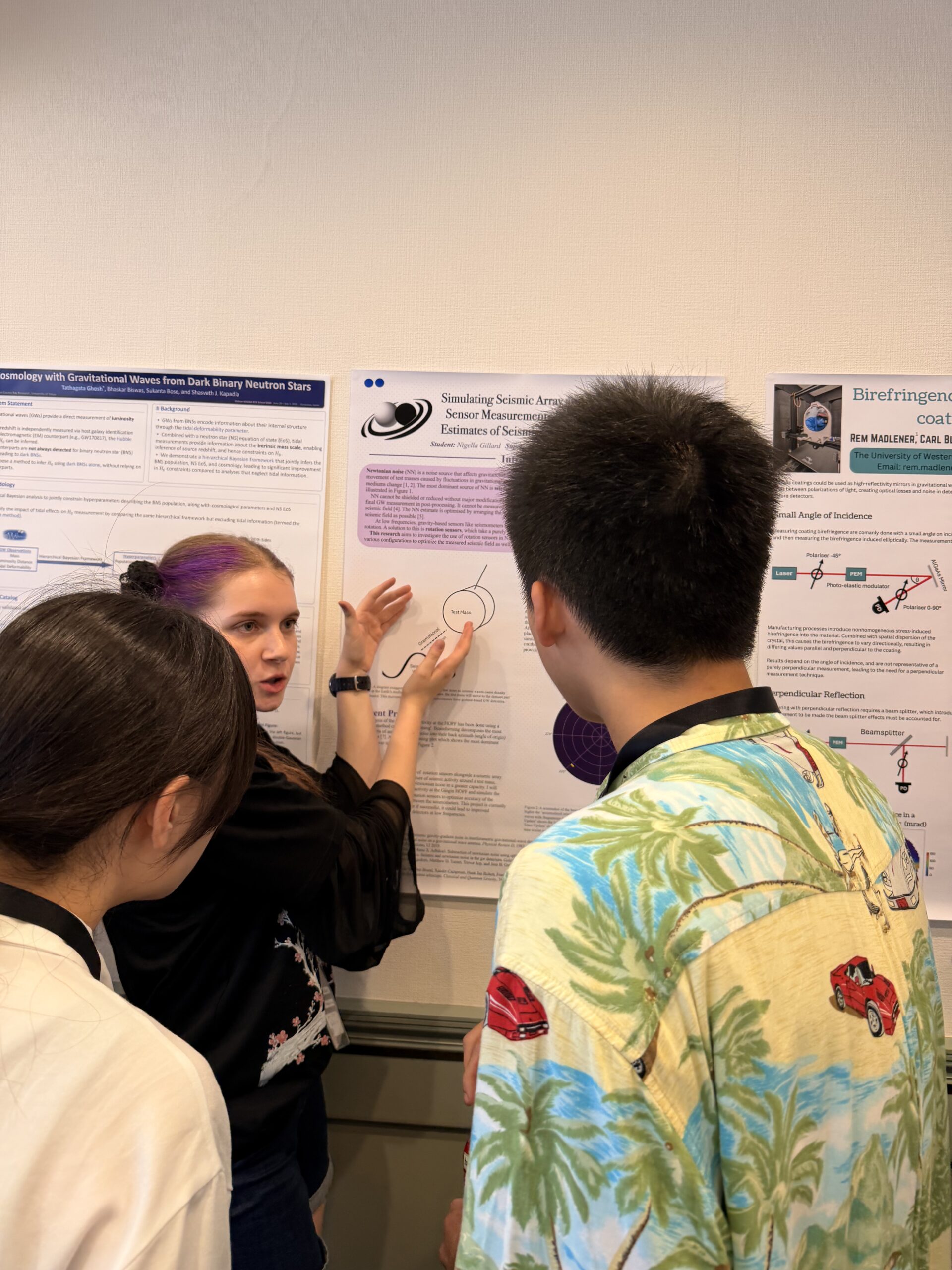
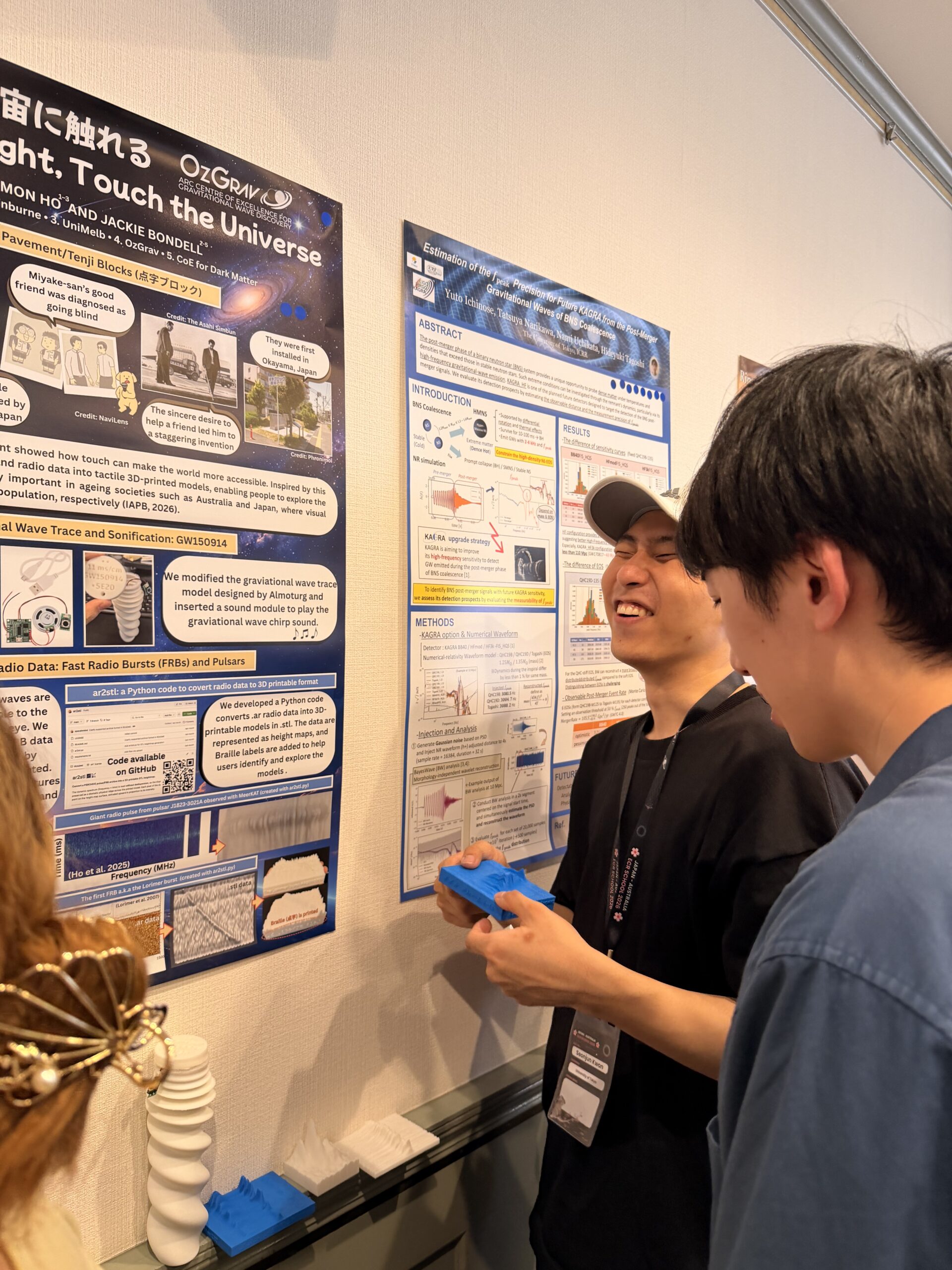
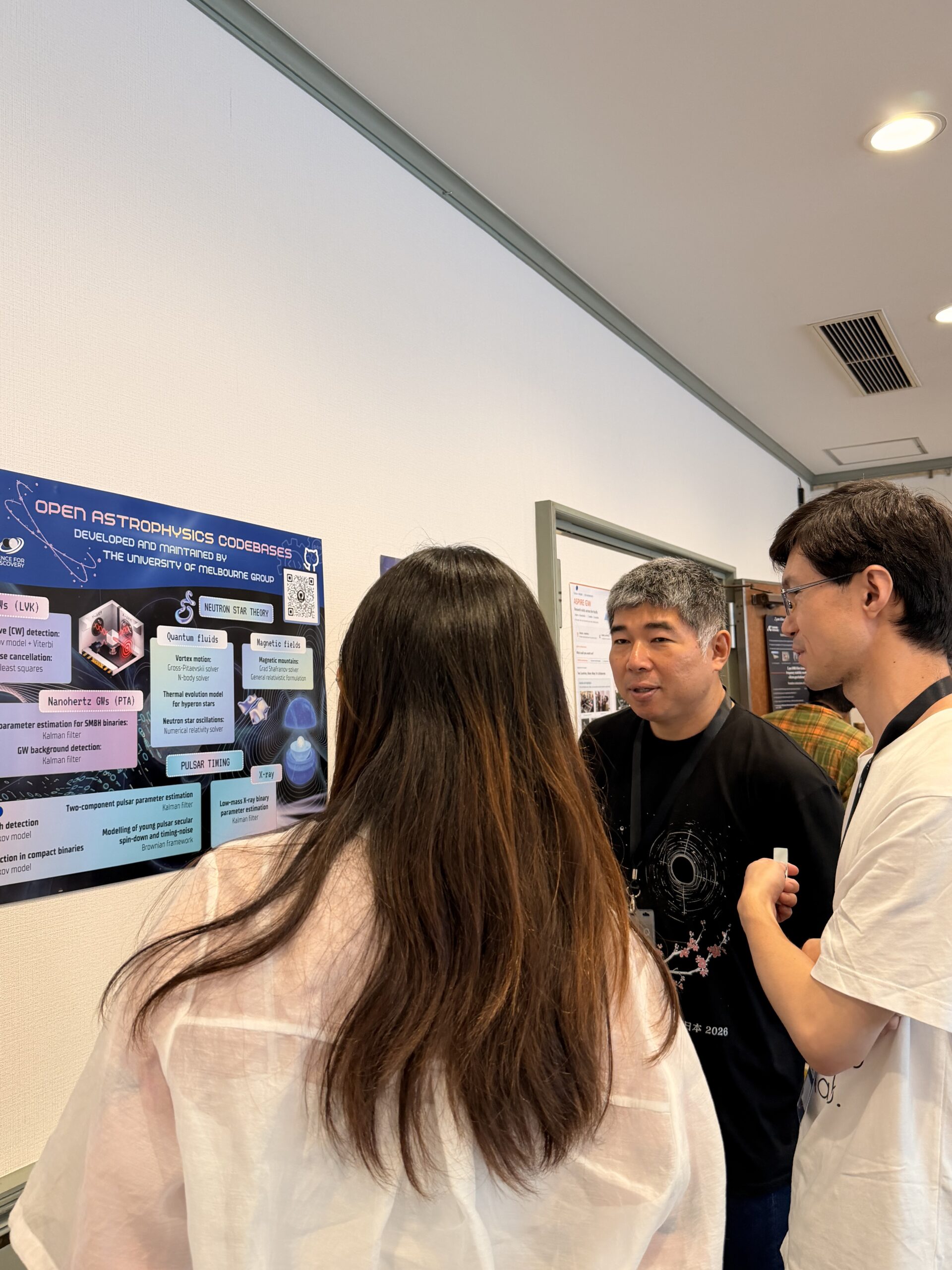
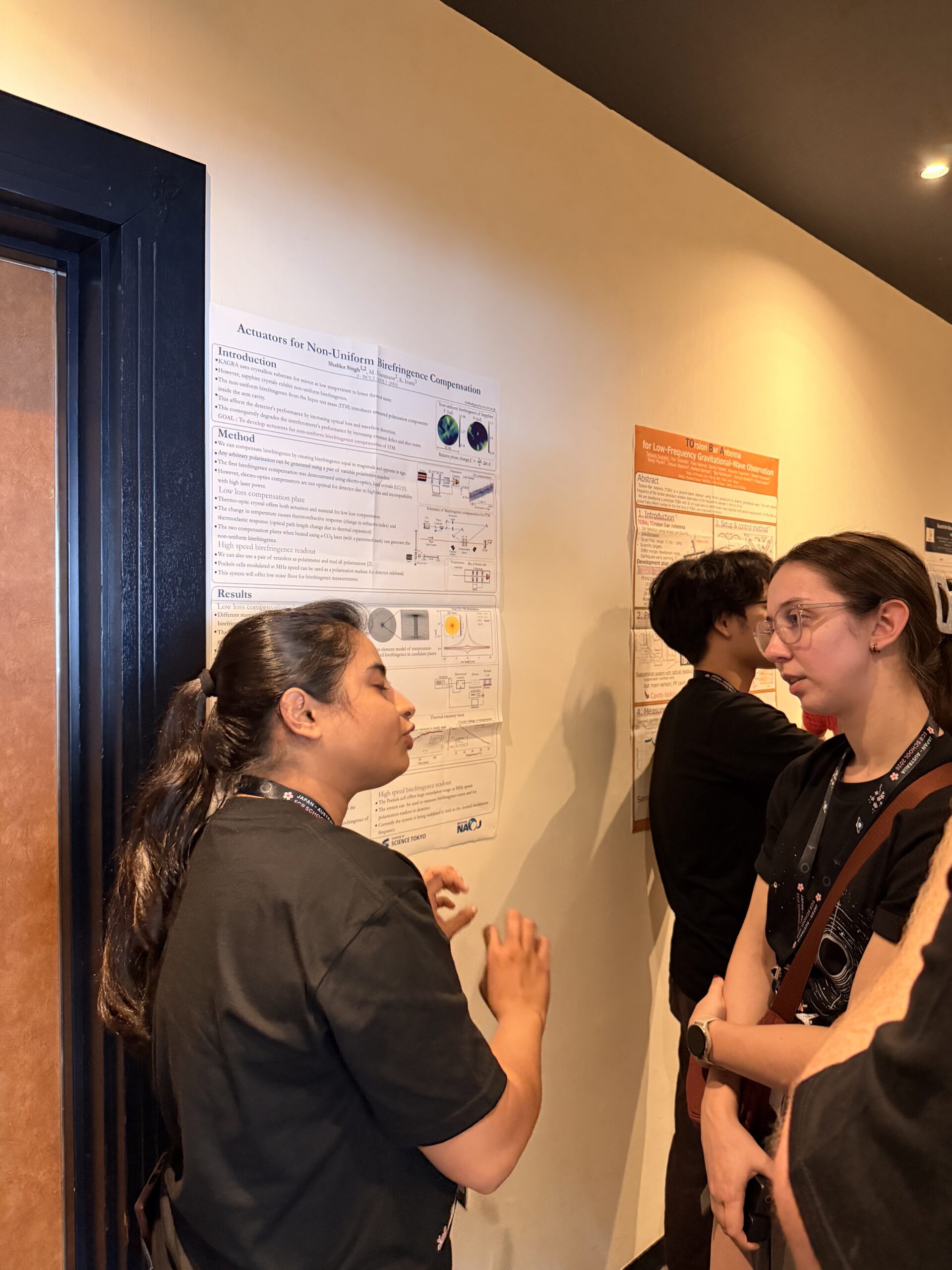
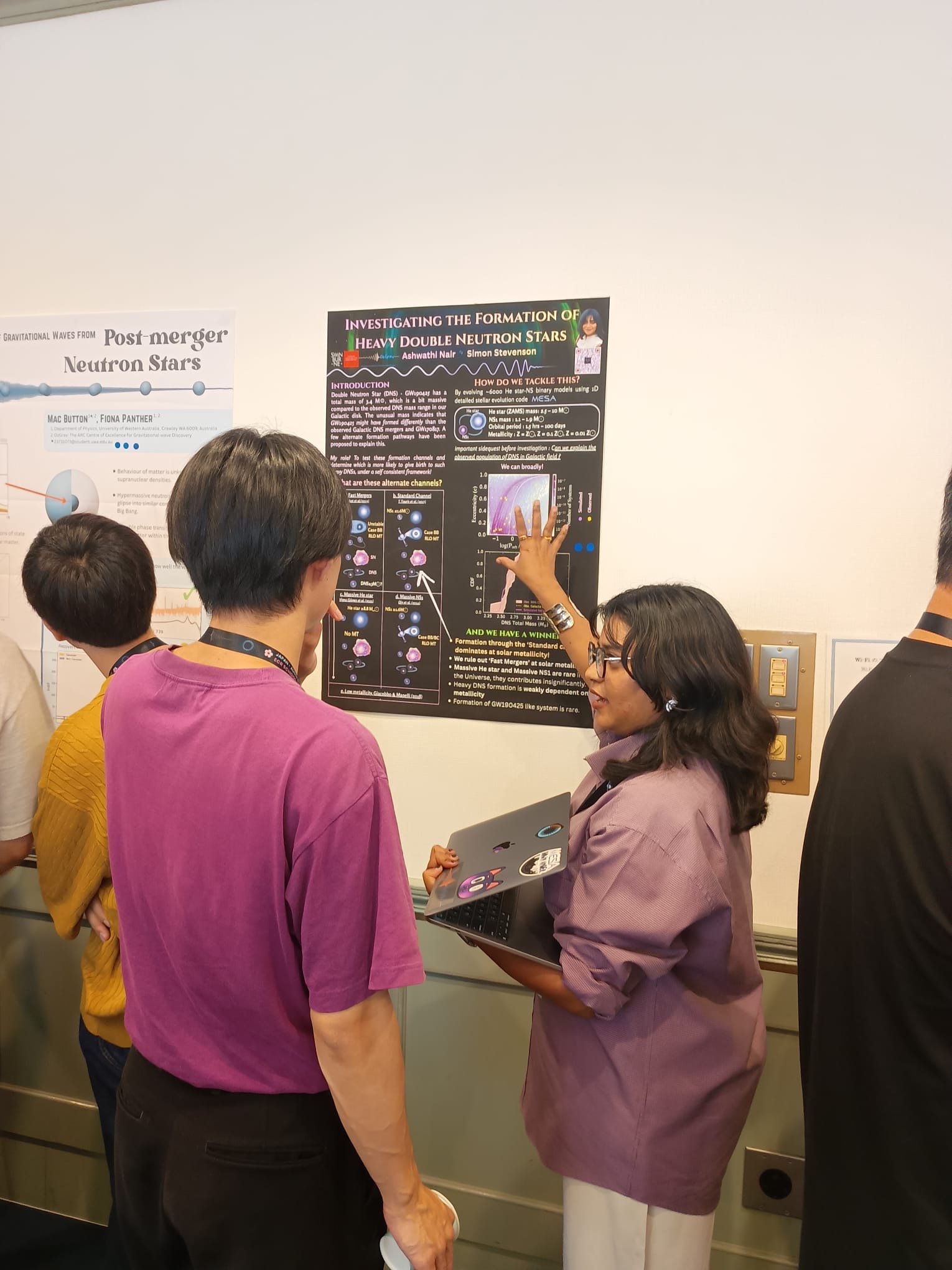
Across the four-day program, participants explored gravitational-wave theory, astronomy, detector instrumentation, data analysis, cosmology and fundamental physics through lectures, panels, workshops and poster presentations.
But we wanted the school to be more than a technical conference.
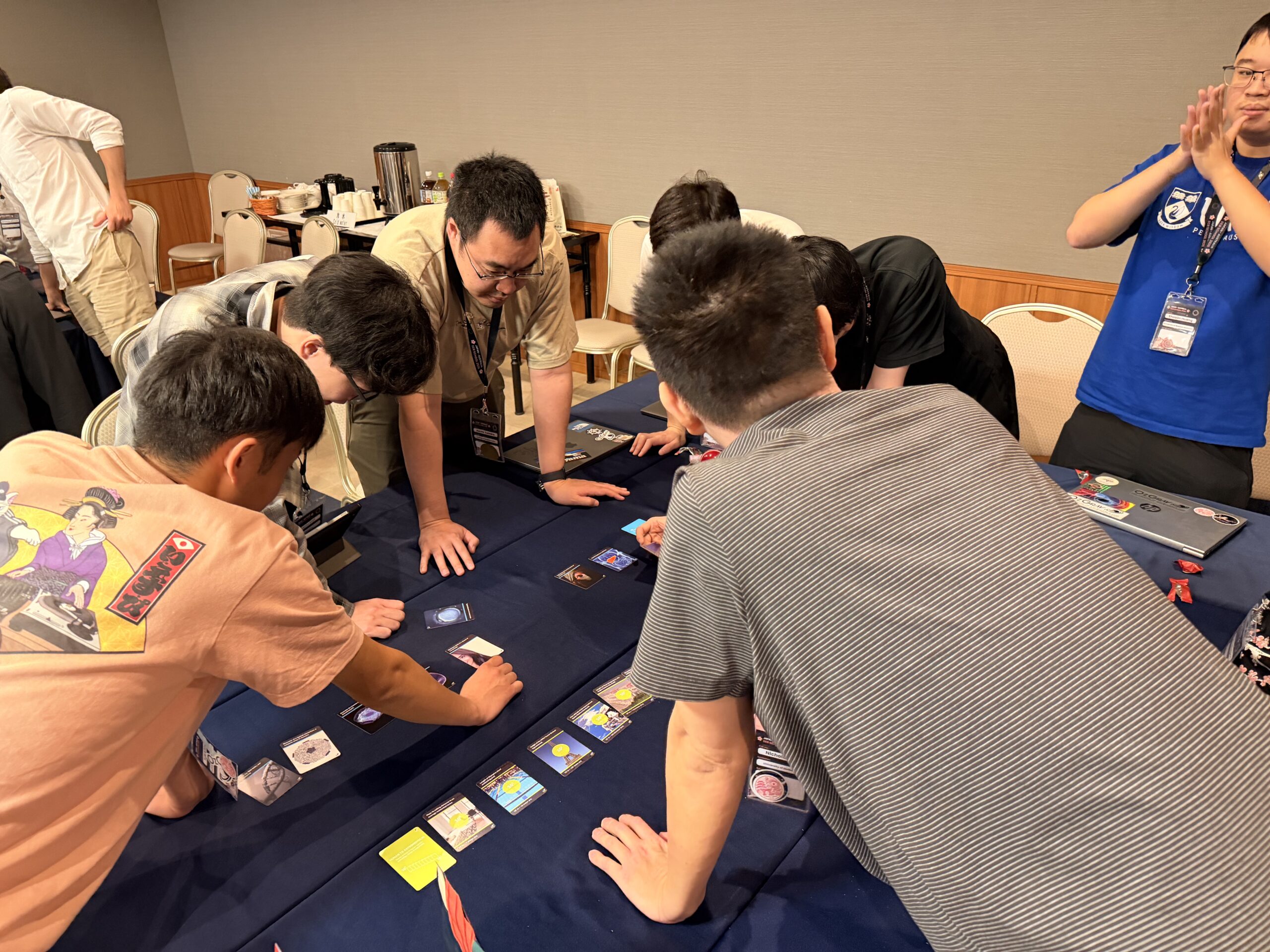
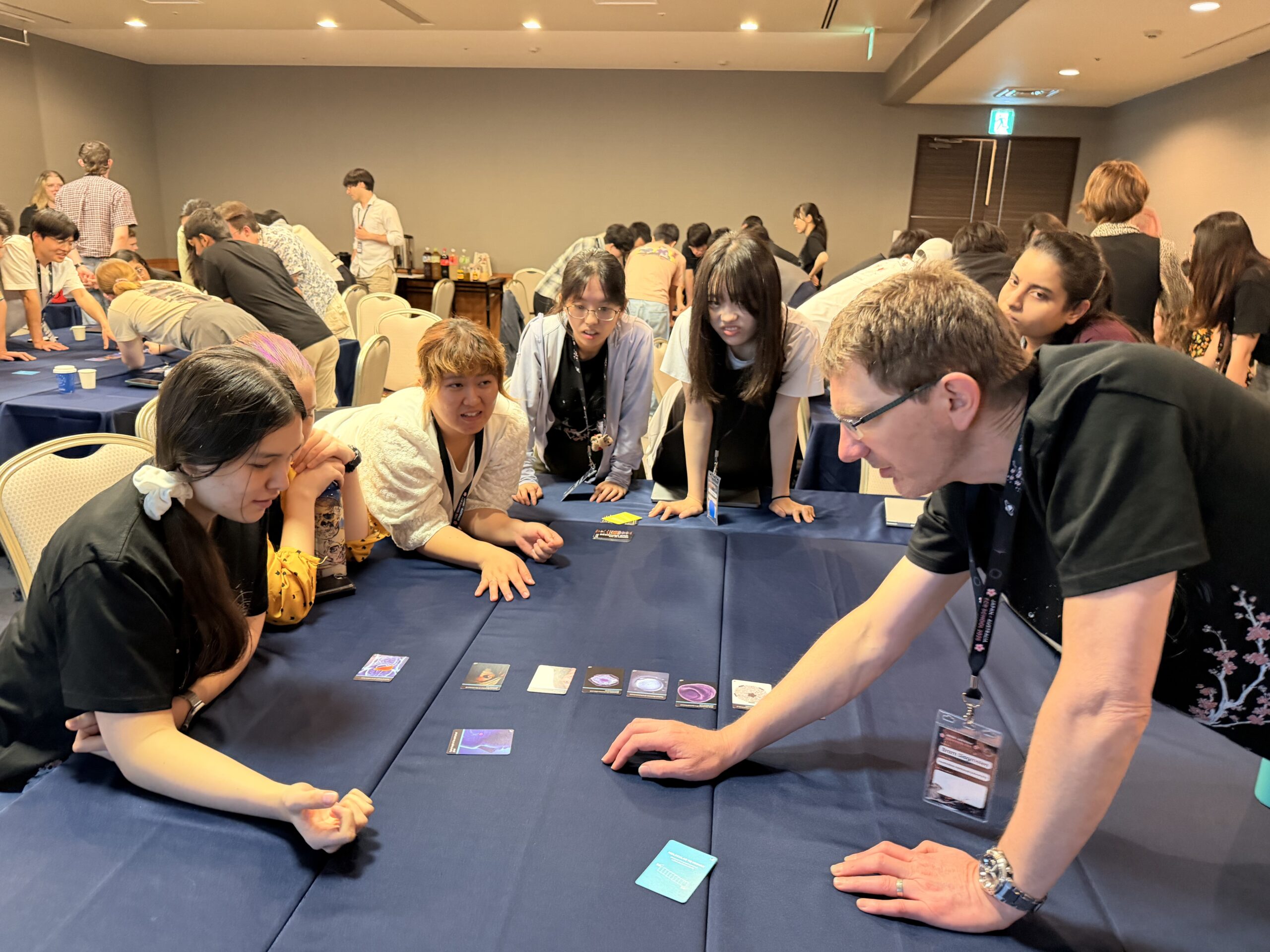
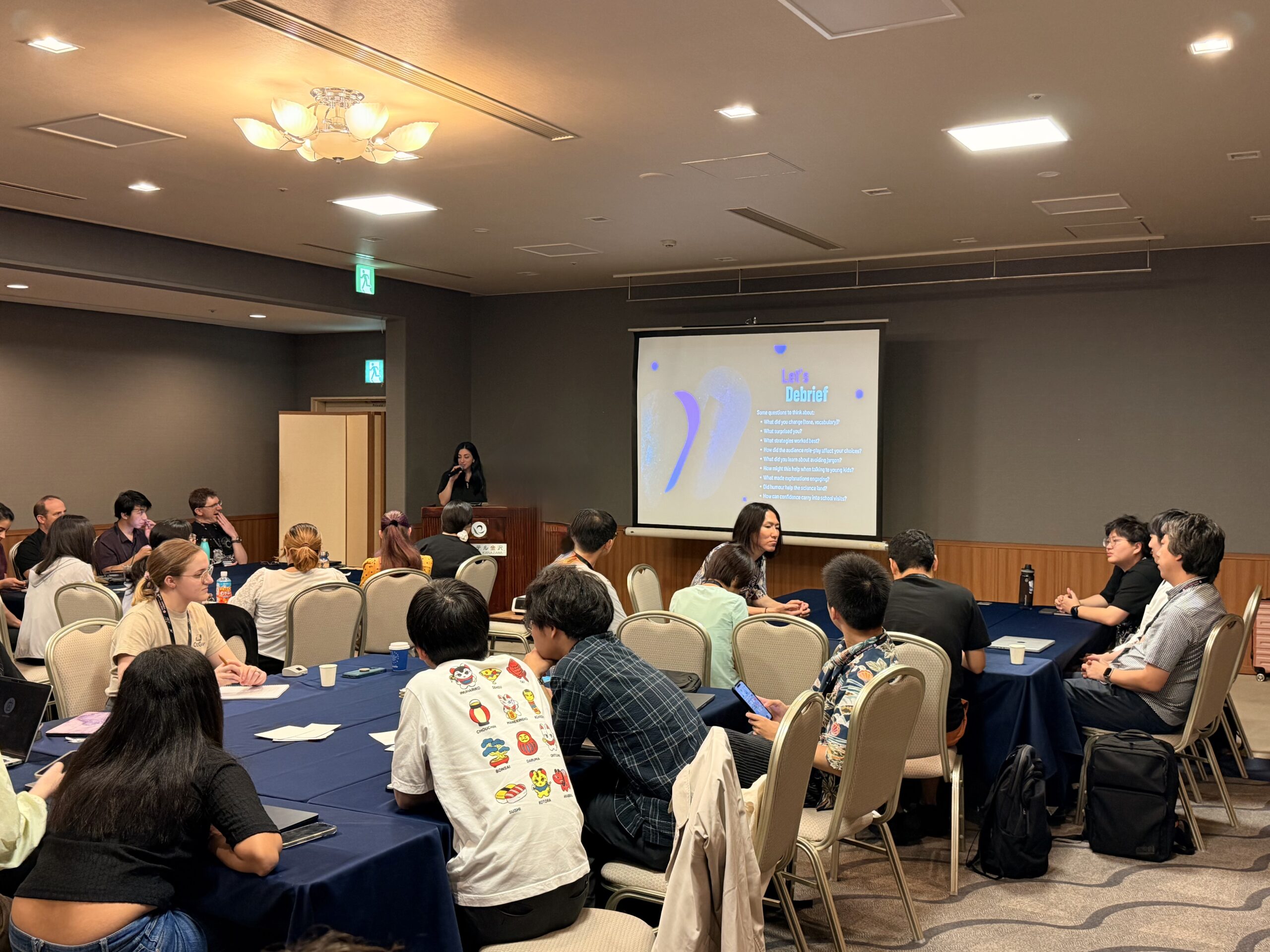
Scientific careers are also shaped by the ability to communicate ideas, work across disciplines and cultures, and keep going when research does not unfold as planned. Workshops explored storytelling, improvisation and scientific presentations, while a candid session on research failures encouraged participants to share experiences of rejected papers, unsuccessful experiments, coding problems and the uncertainty behind scientific progress.
There was something powerful about seeing young researchers realise they were not alone in those experiences.
Connecting through culture
The cultural exchange became one of the most memorable parts of the school.
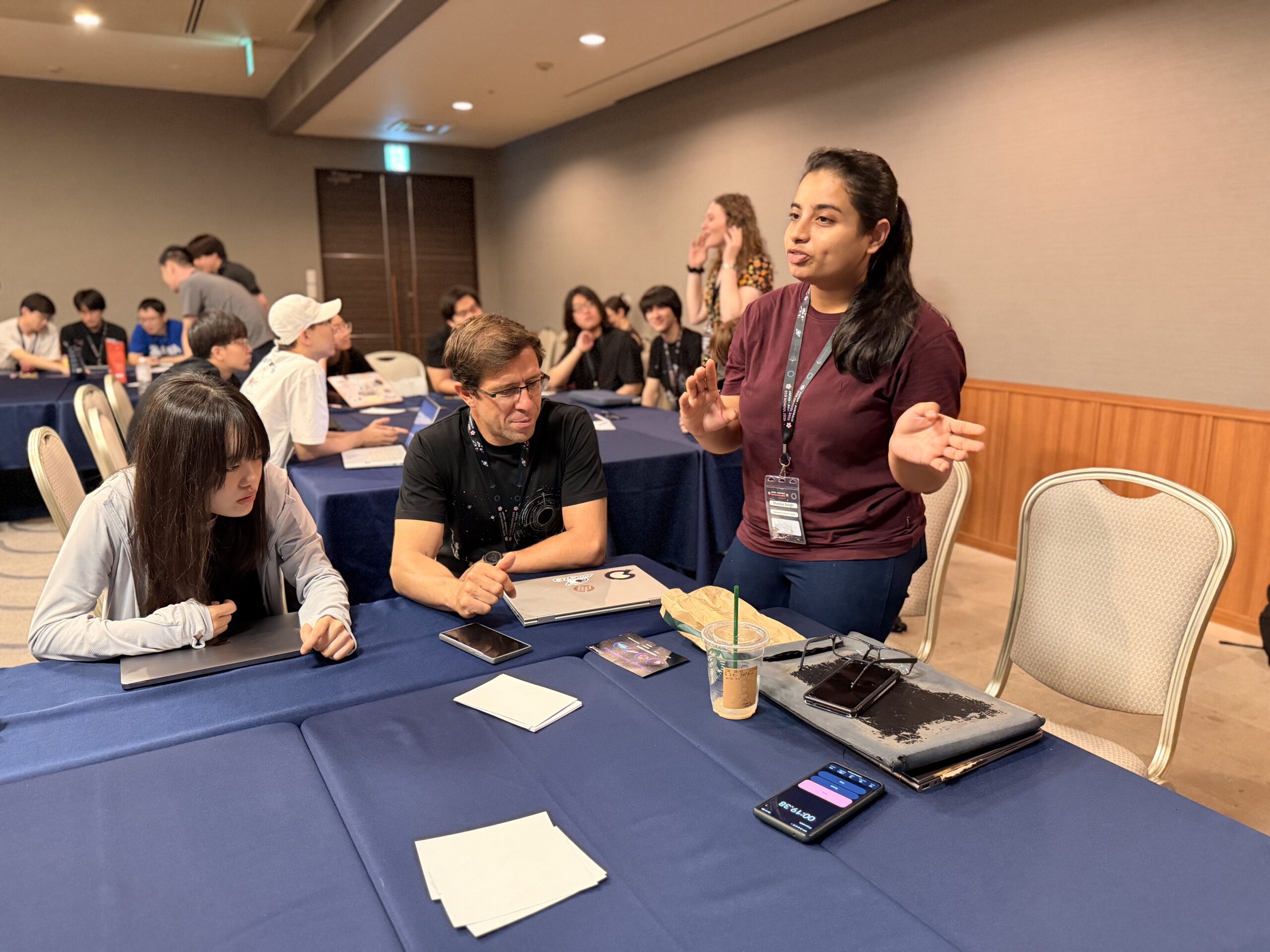
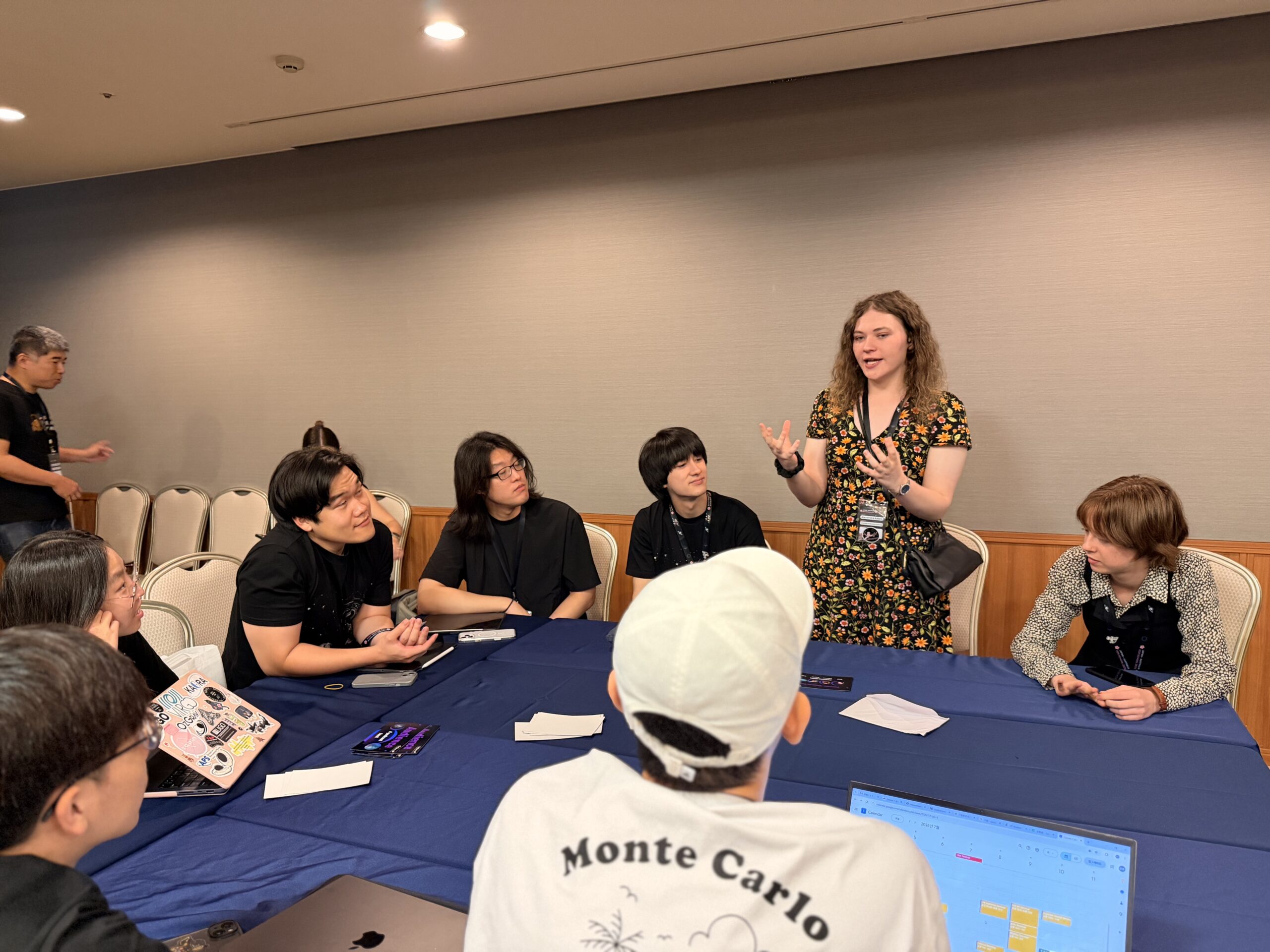
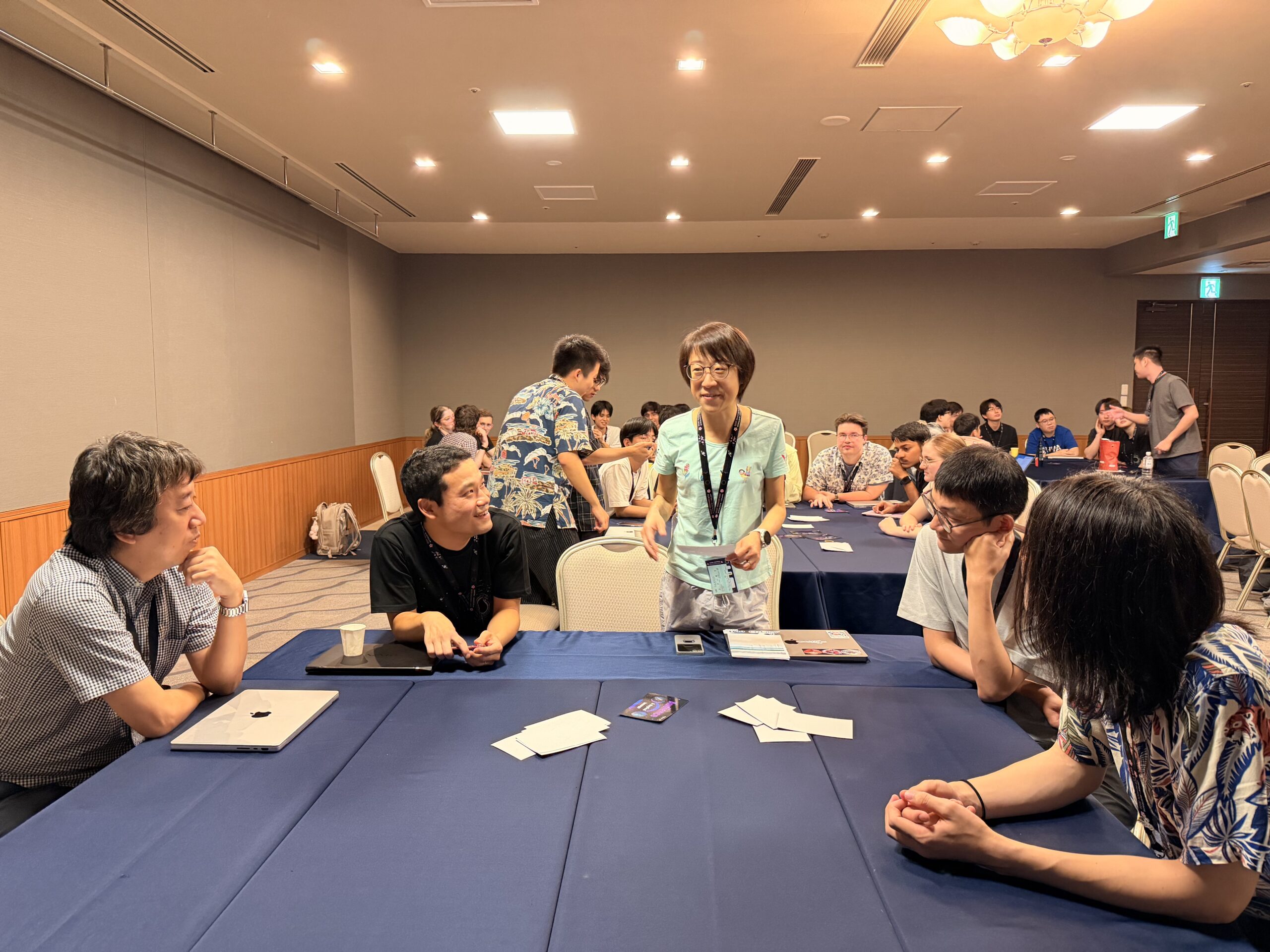
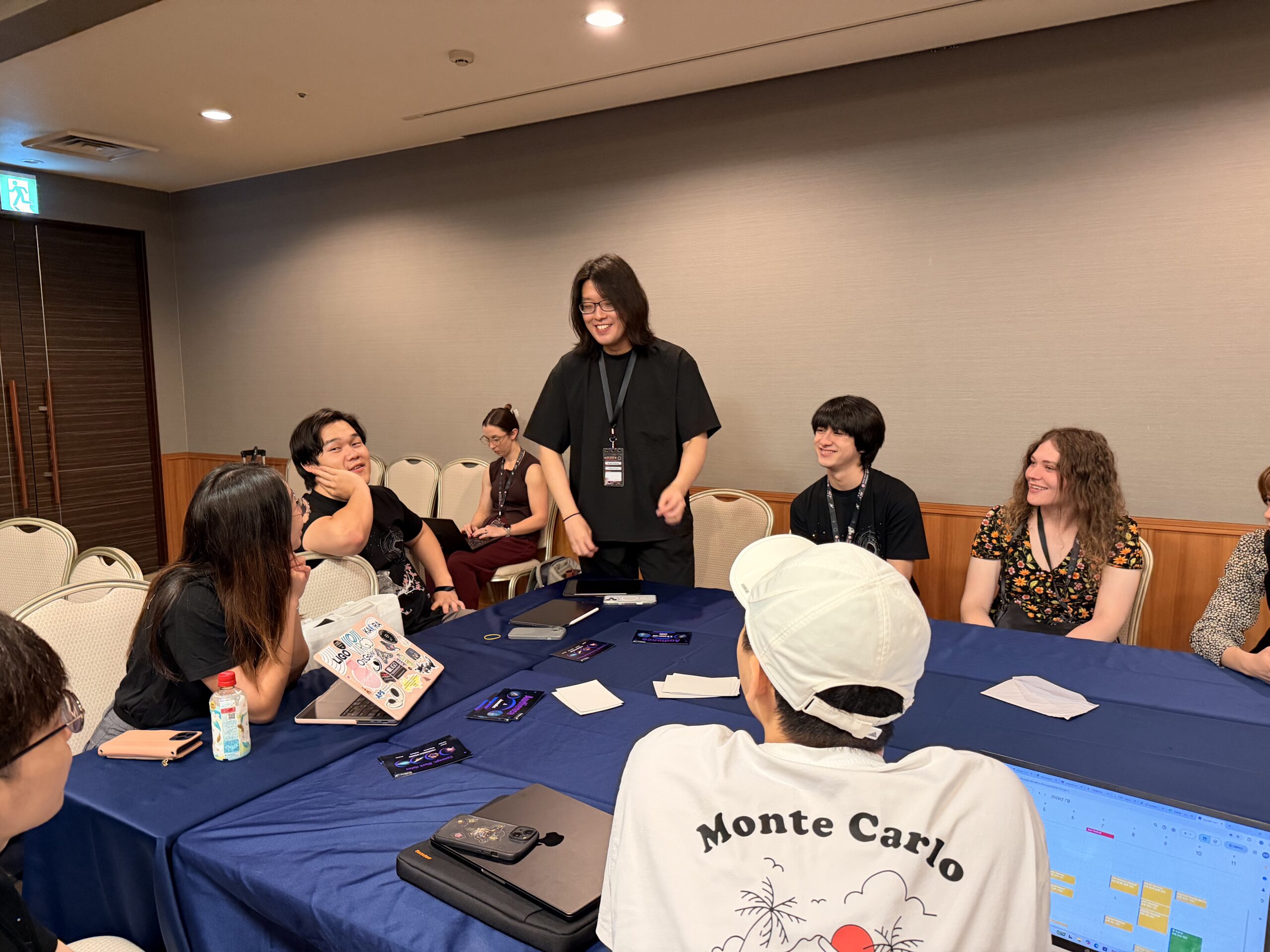
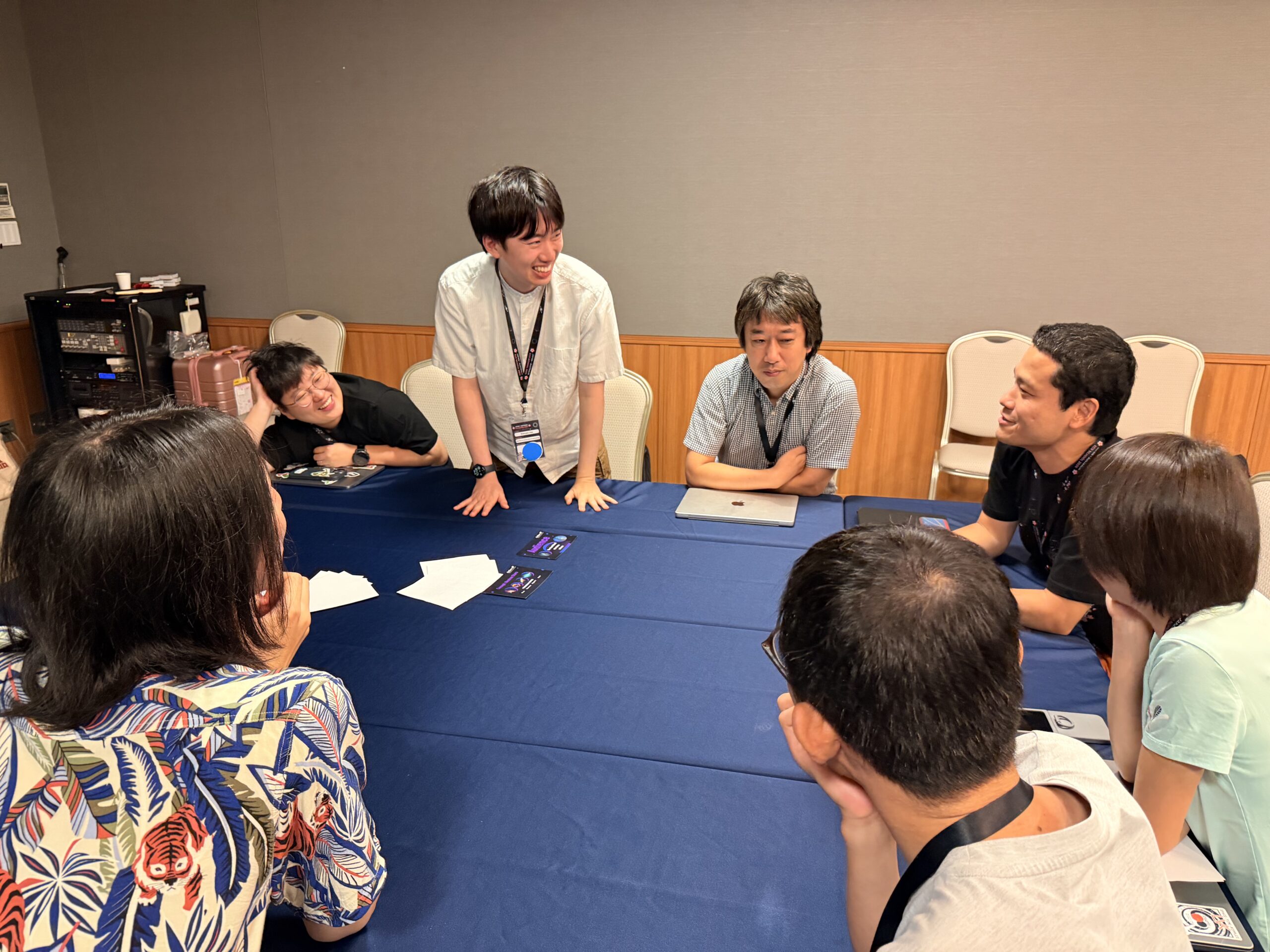
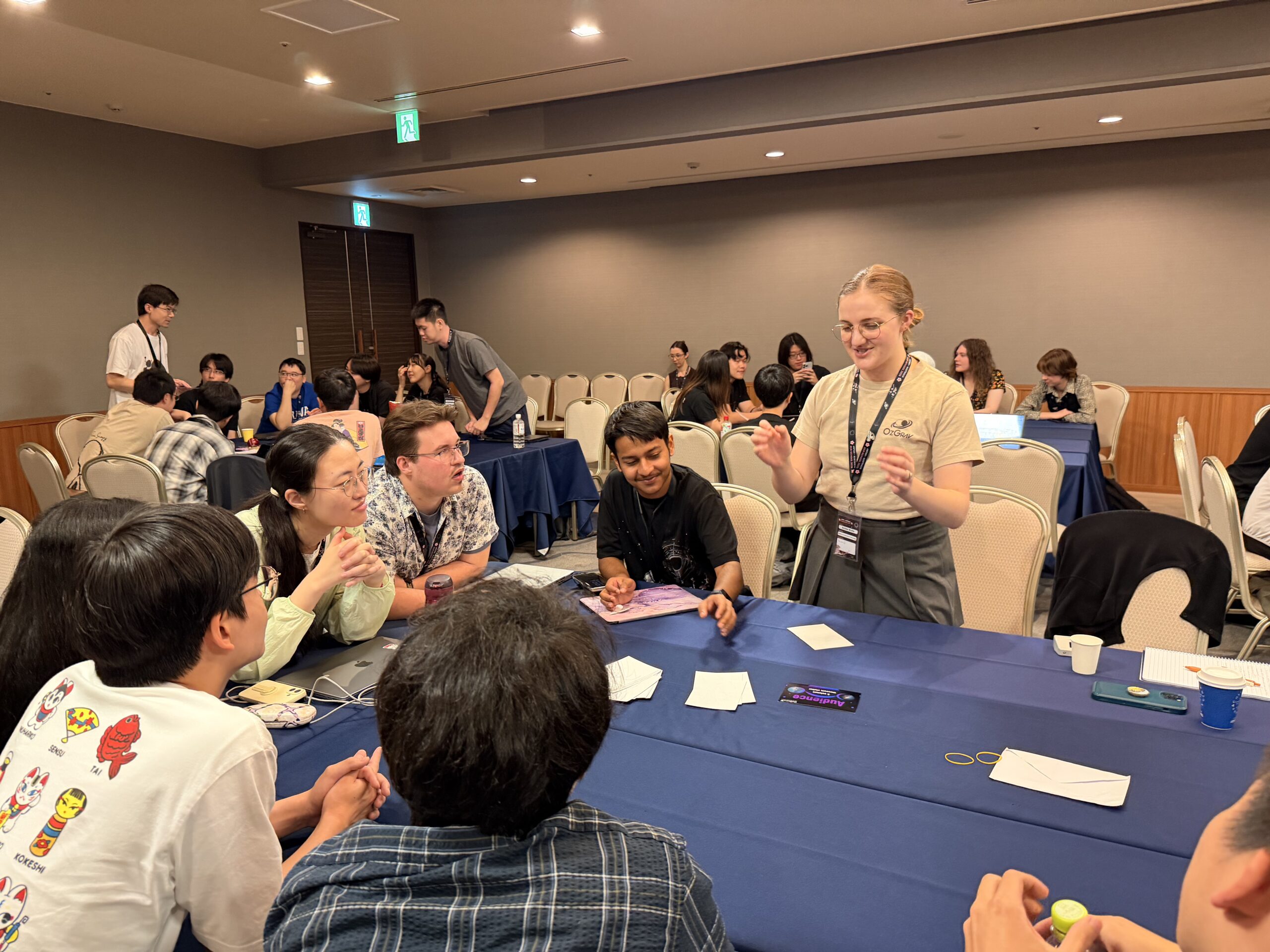
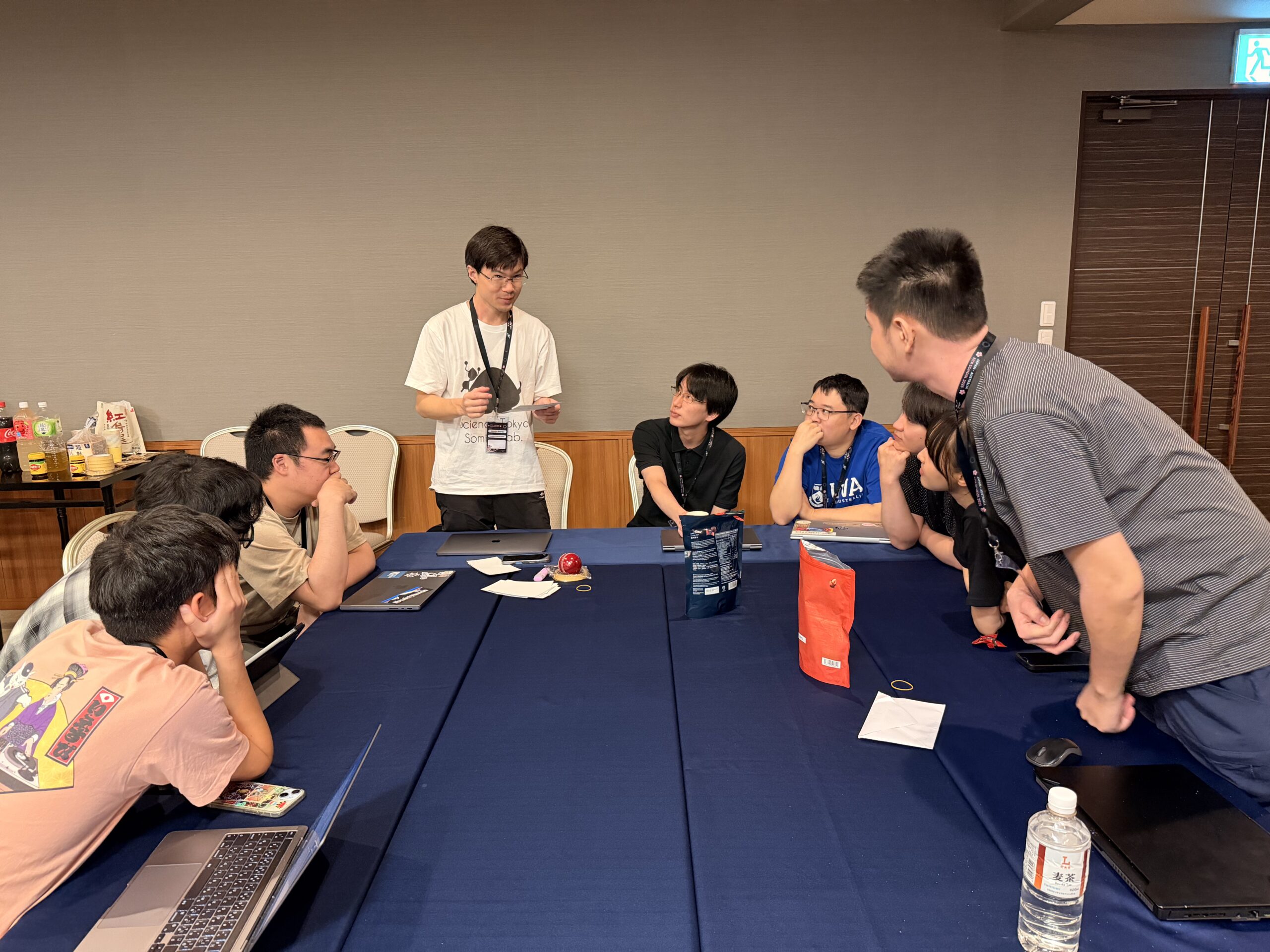
Participants brought a small object, photograph or story representing something meaningful from their culture. In mixed Australian and Japanese groups, they shared stories about family, food, language, celebrations, landscapes and traditions.
The change in the room was immediate. People who had only just met began speaking openly, laughing together and finding connections beyond their research titles and institutions.
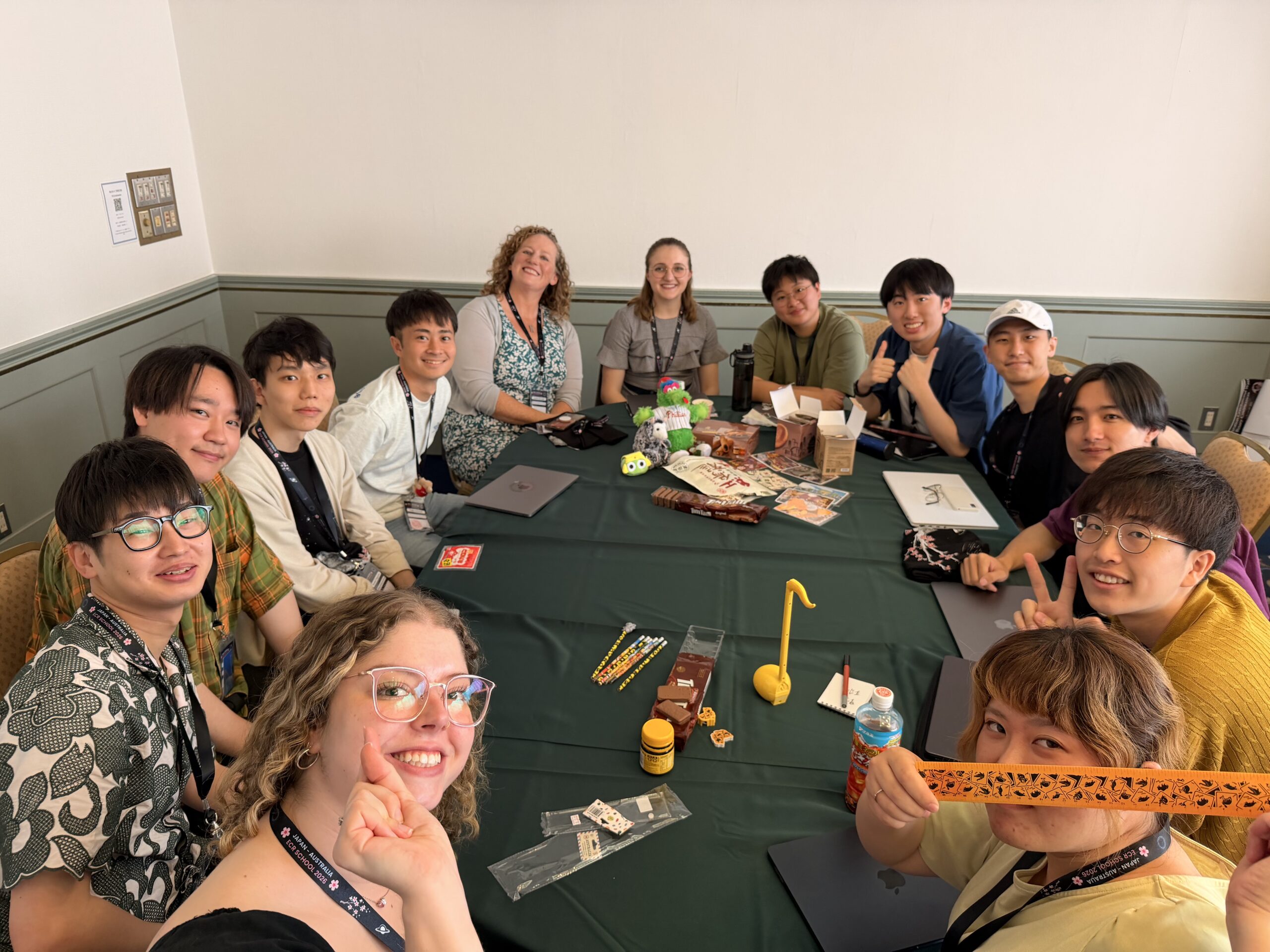

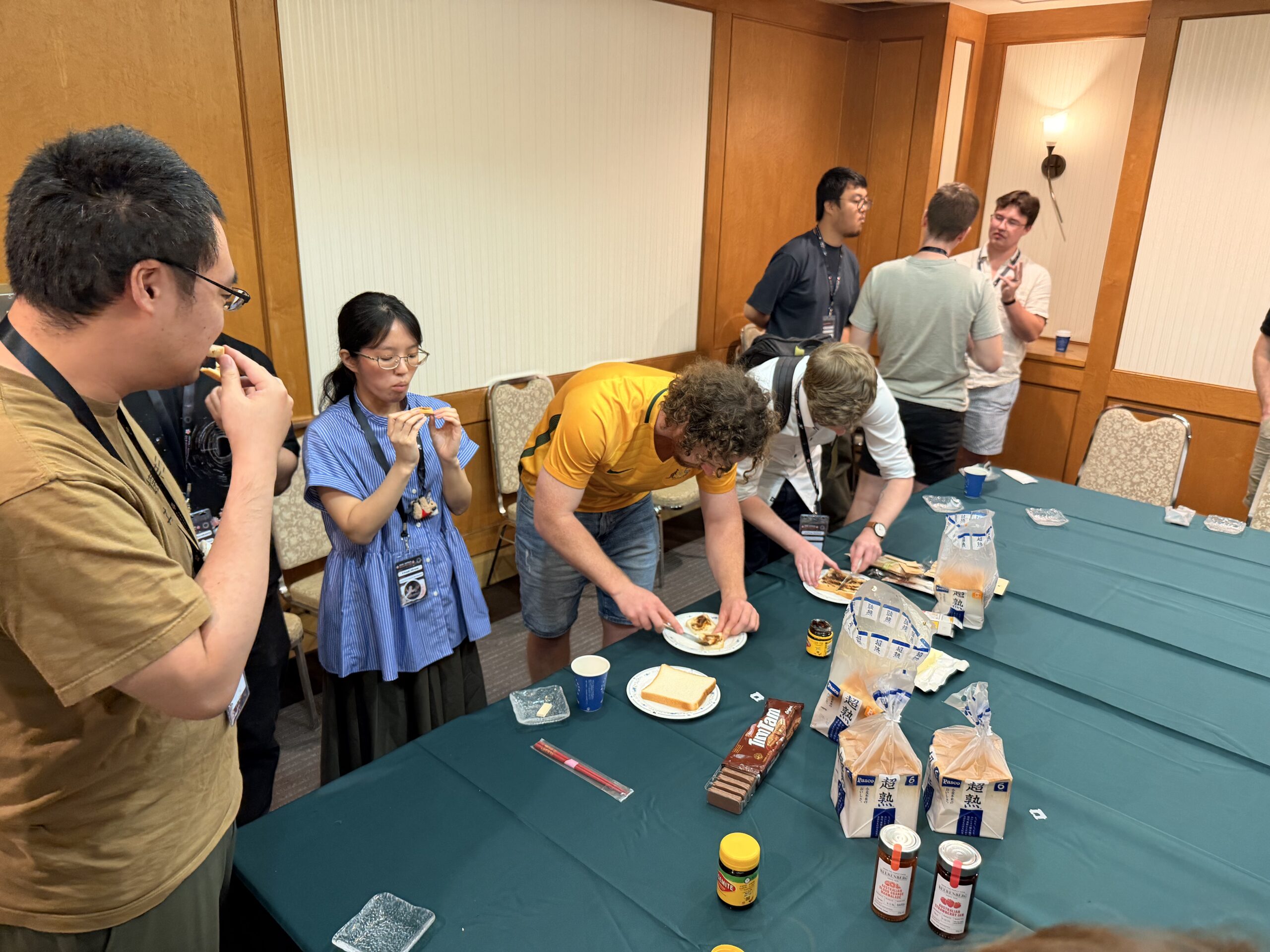
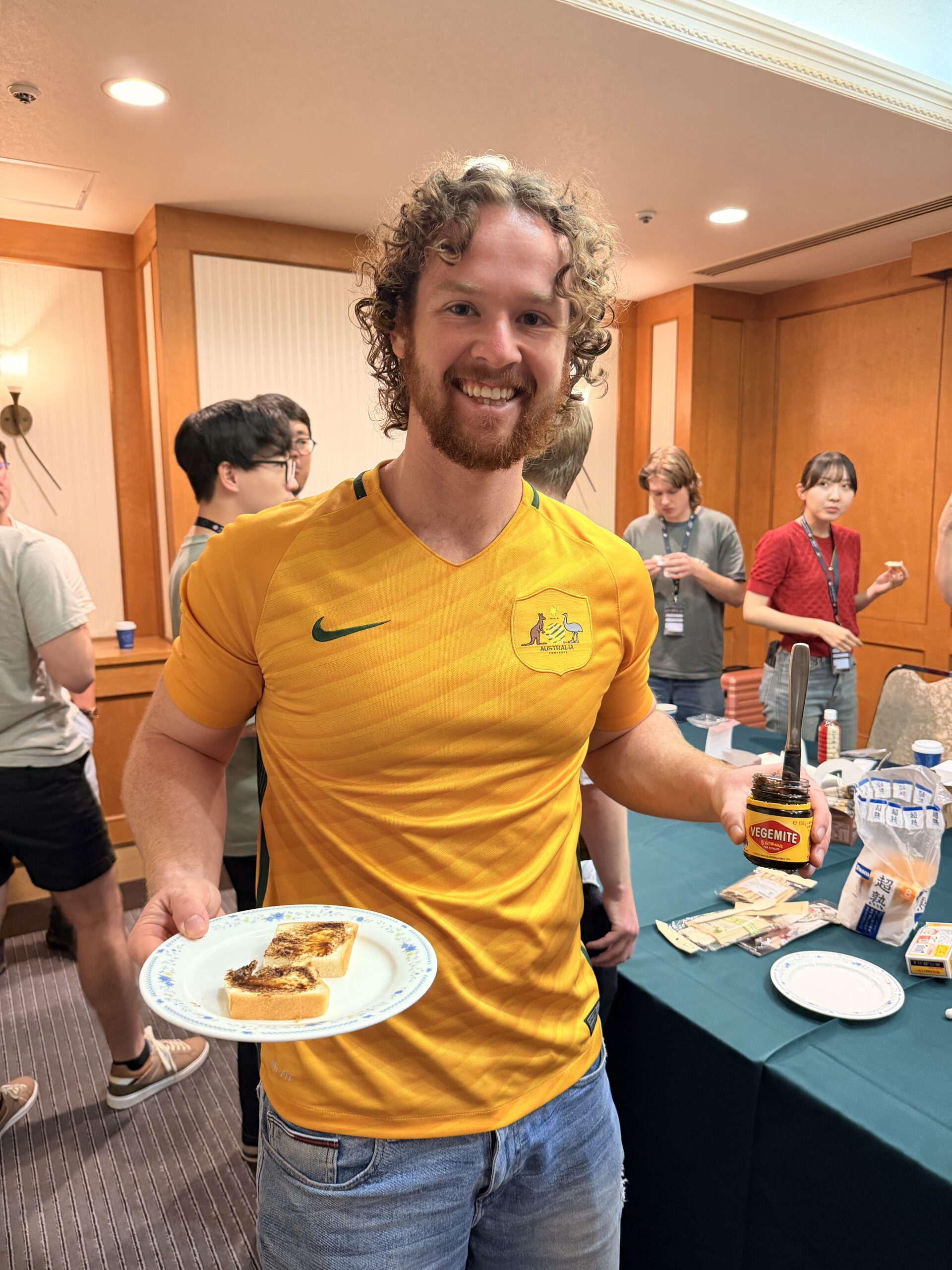
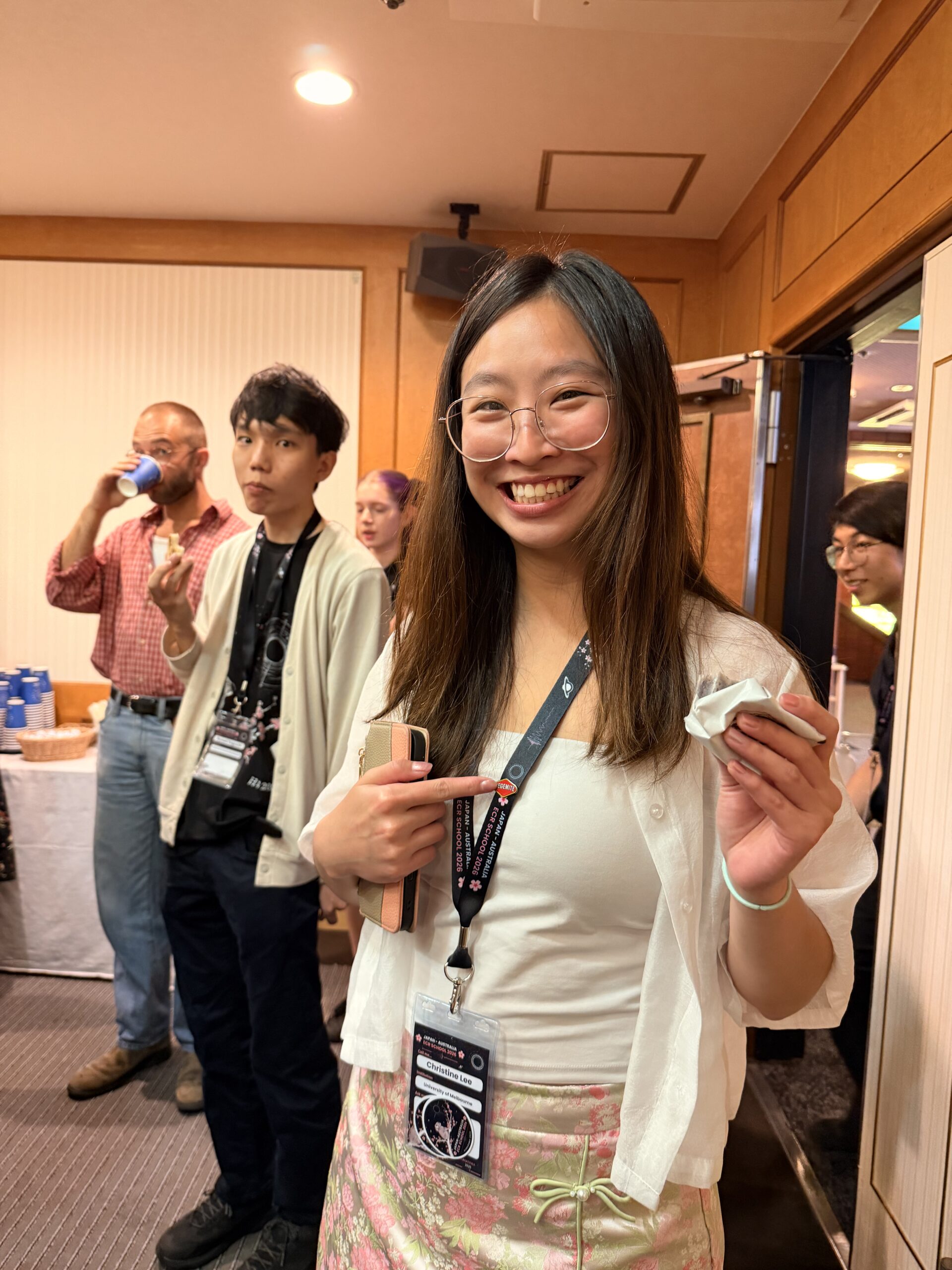
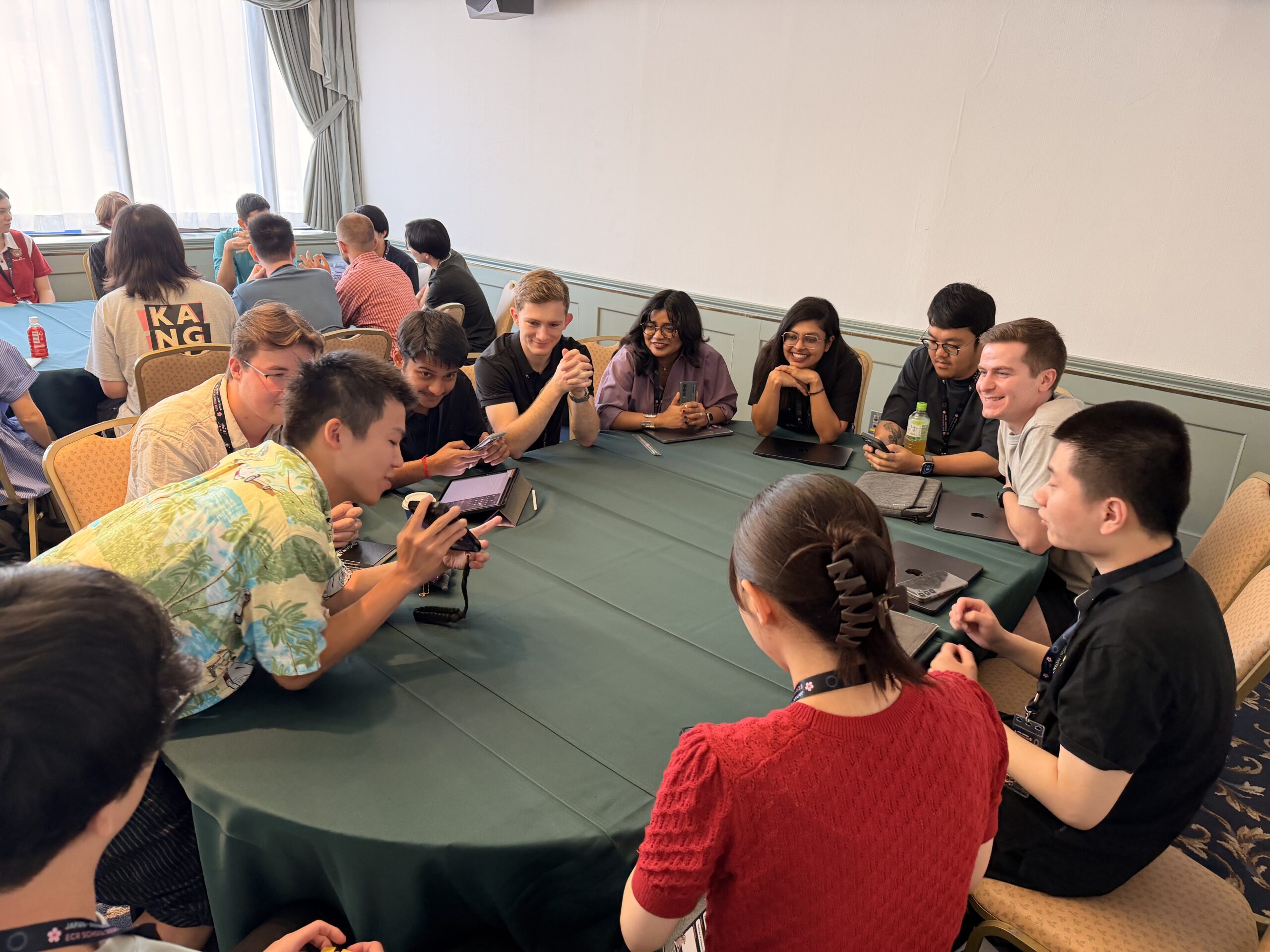
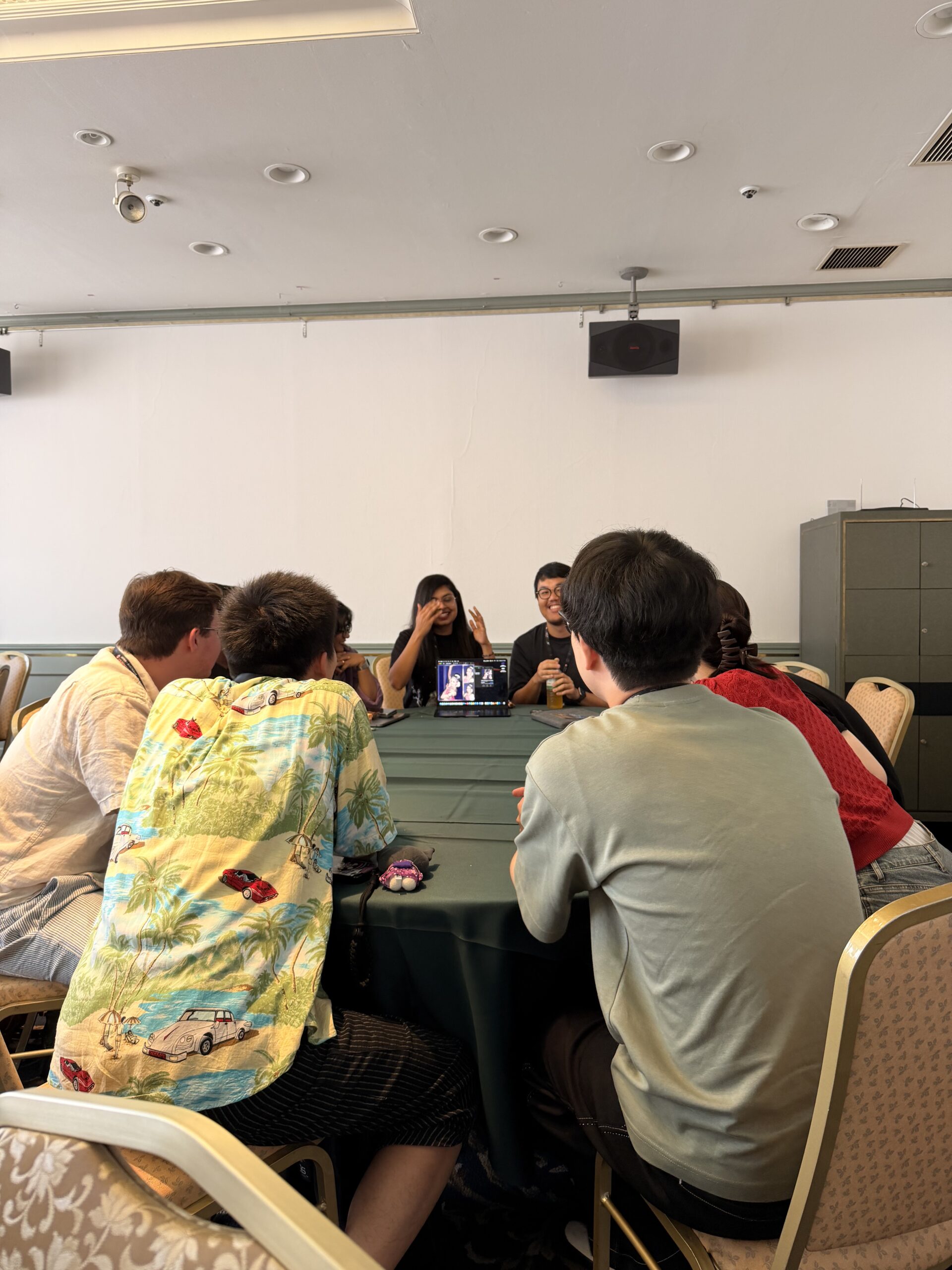
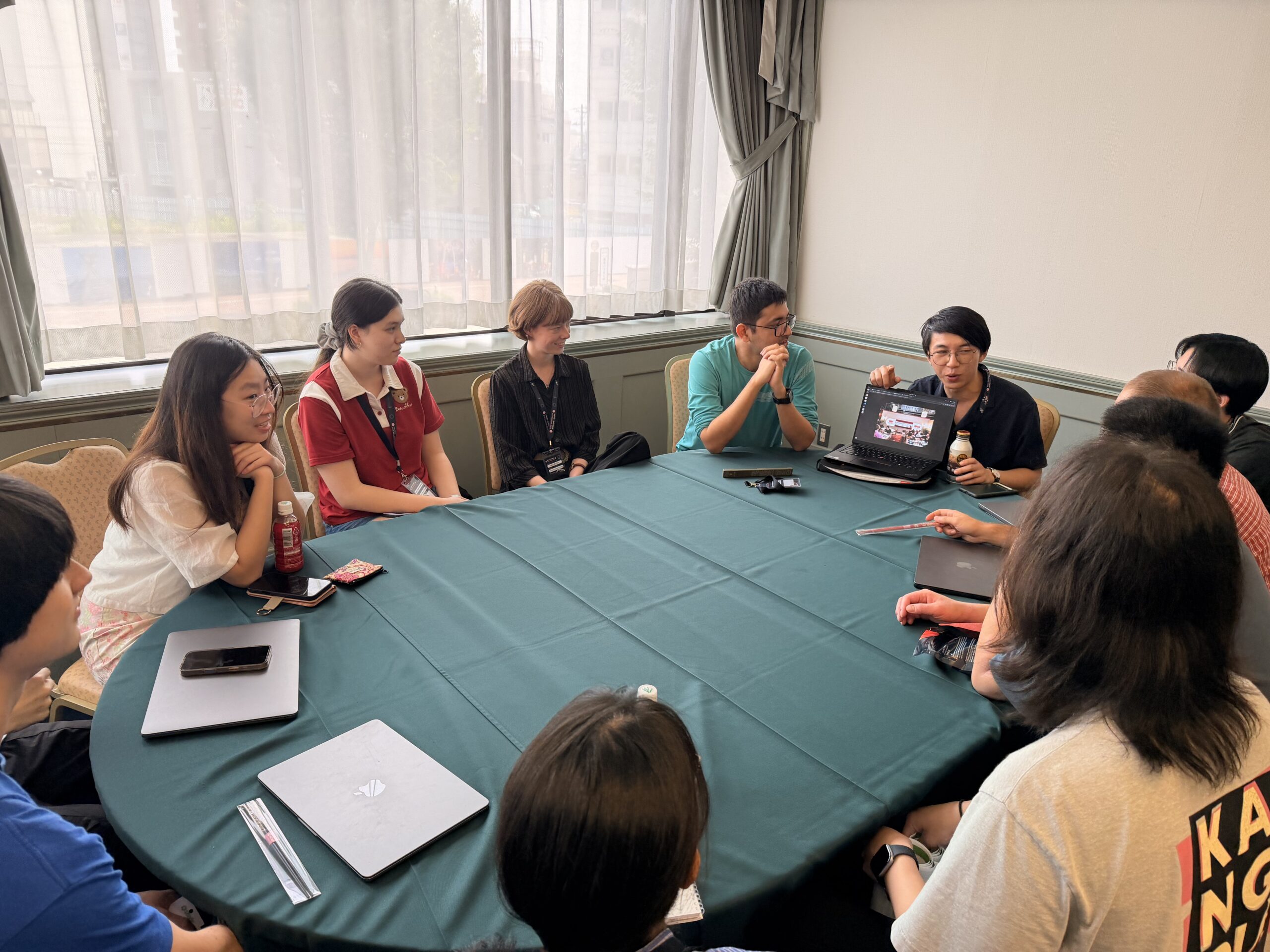
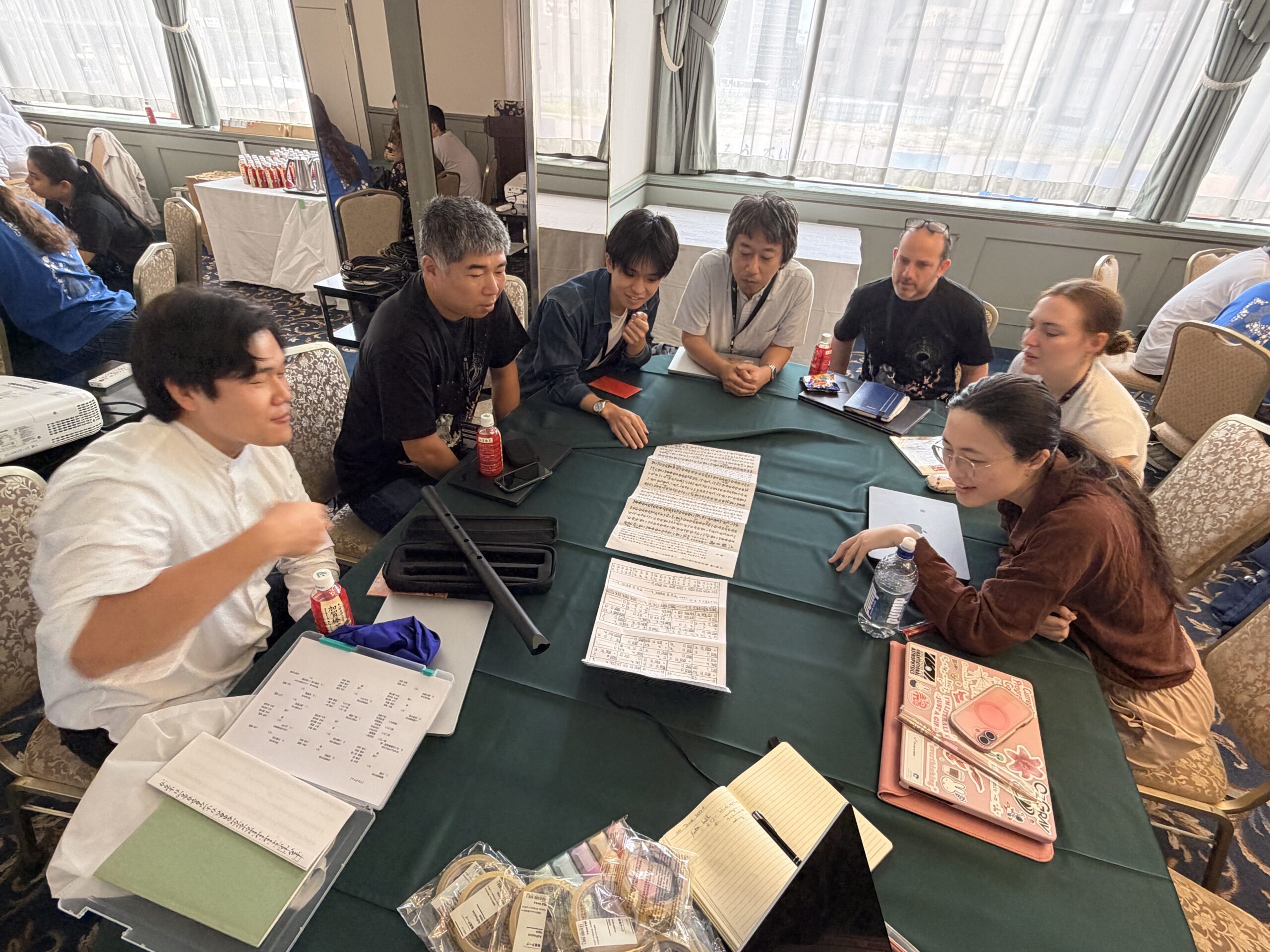
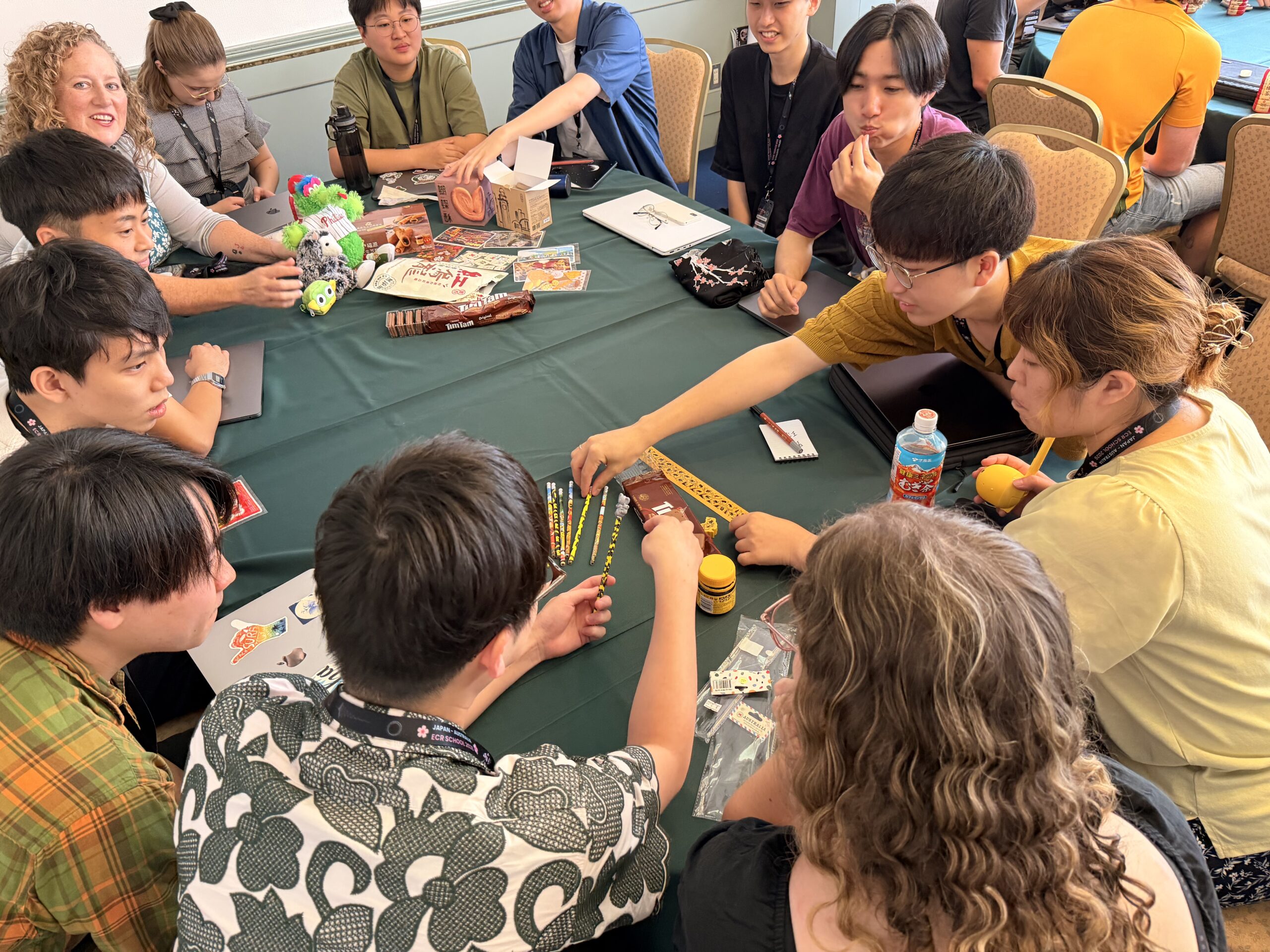
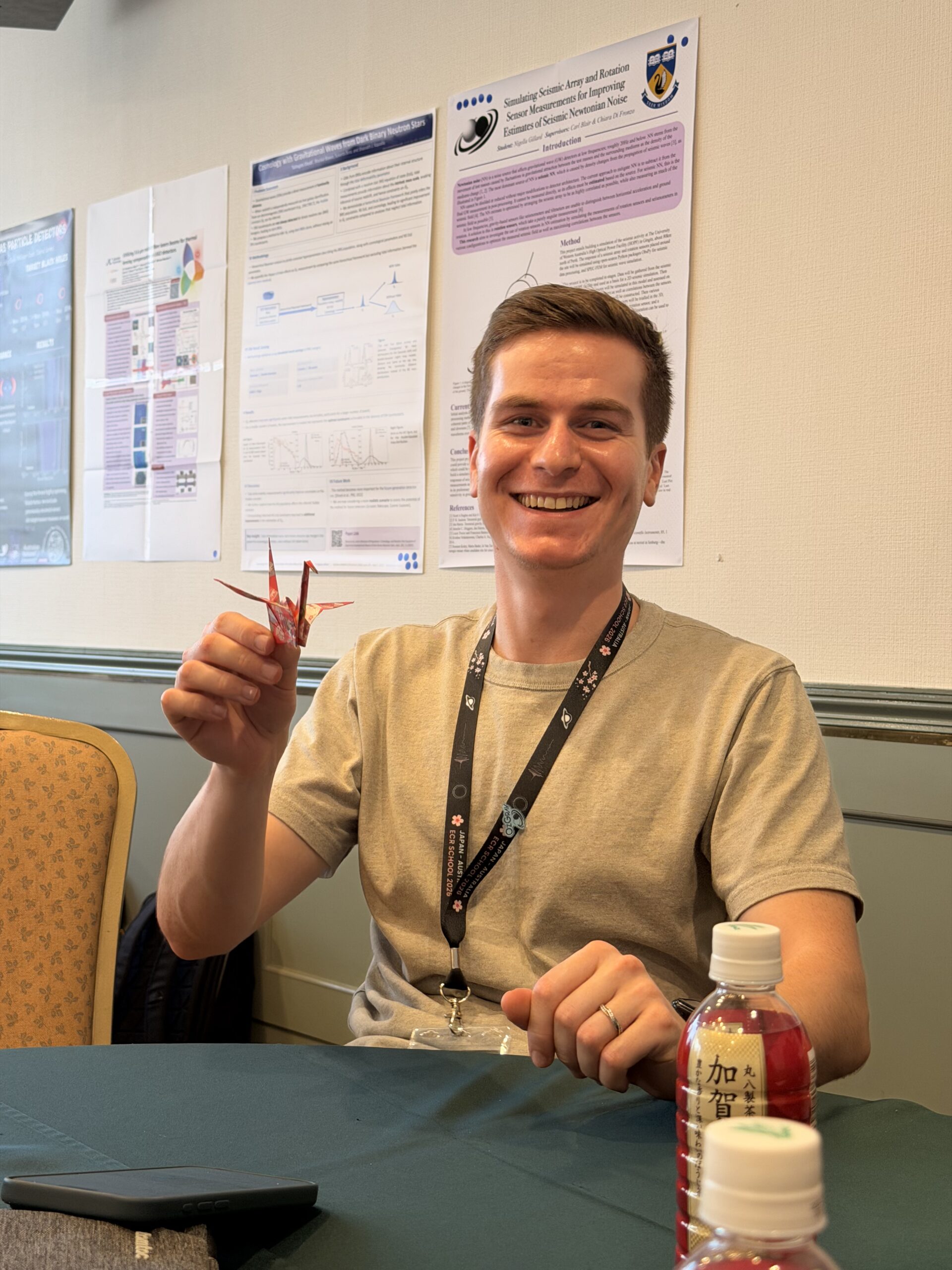
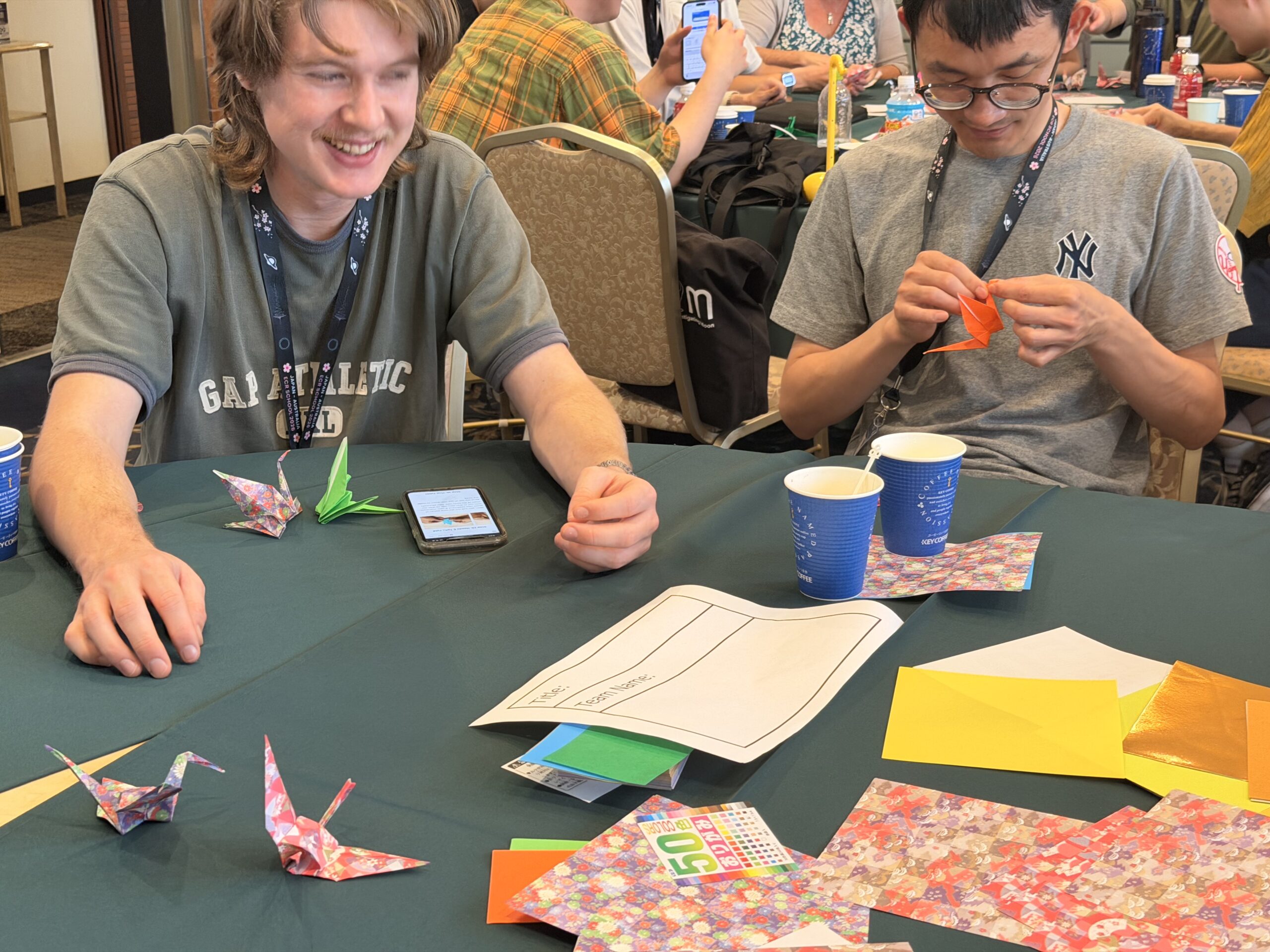
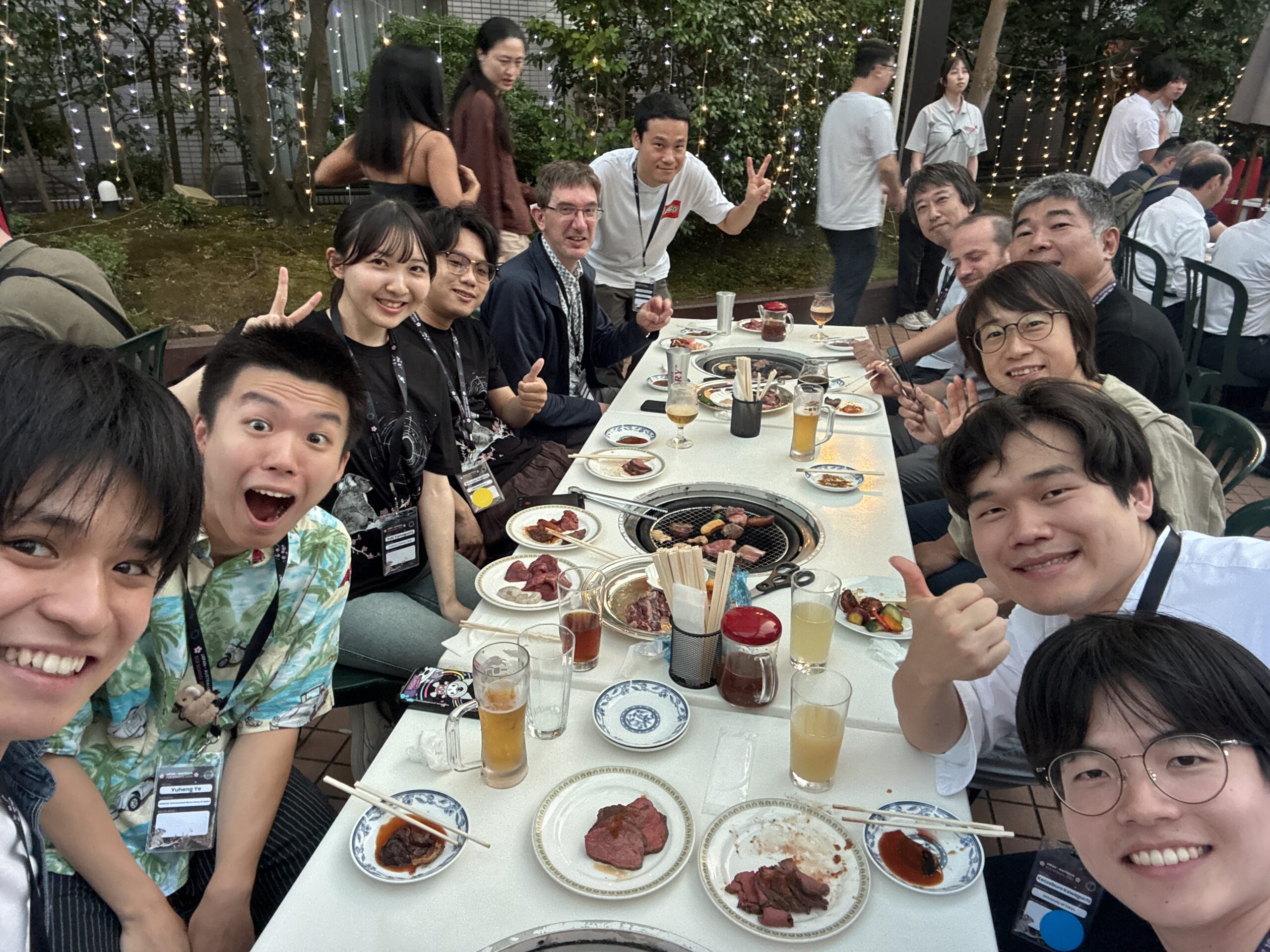
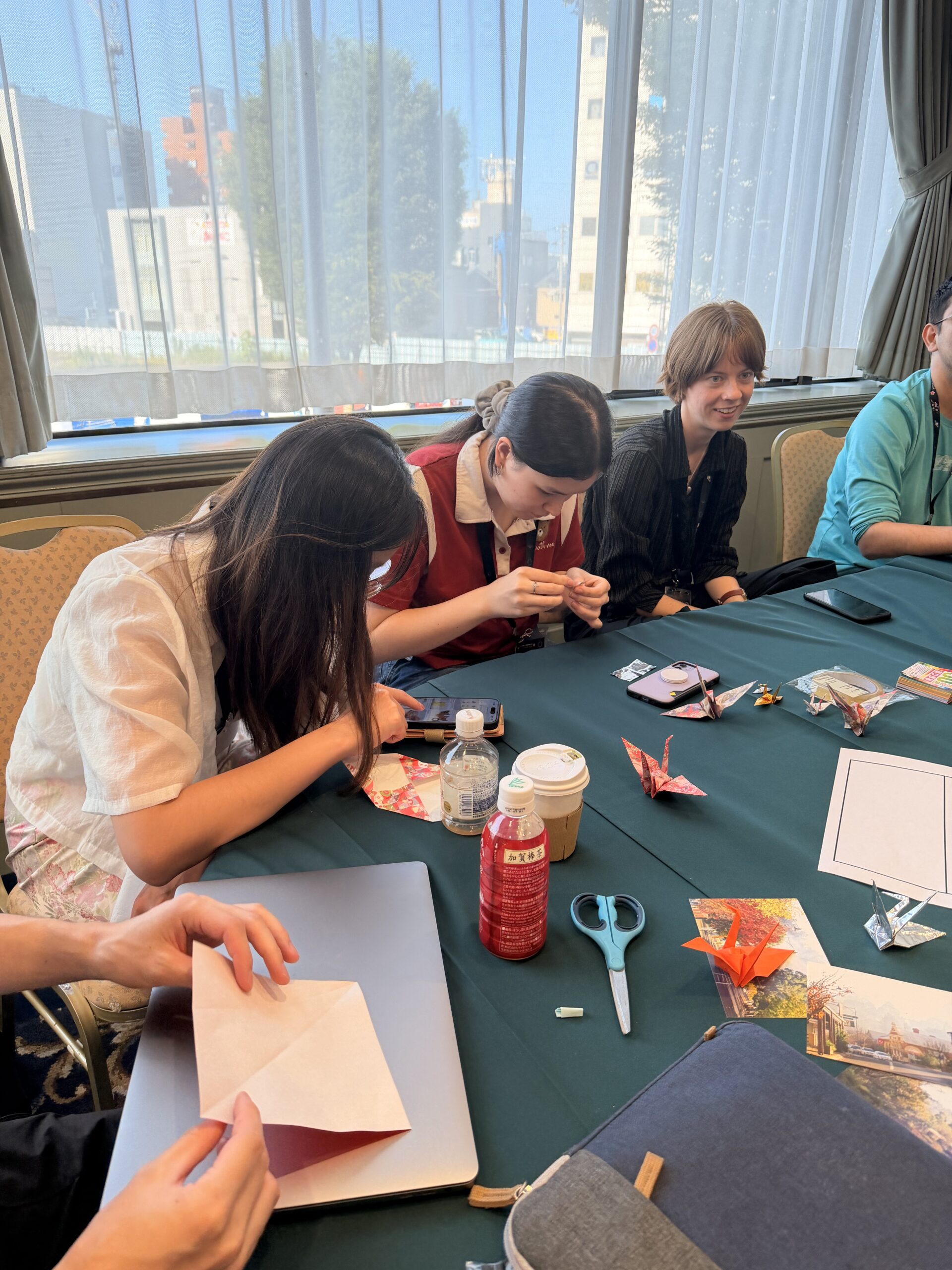
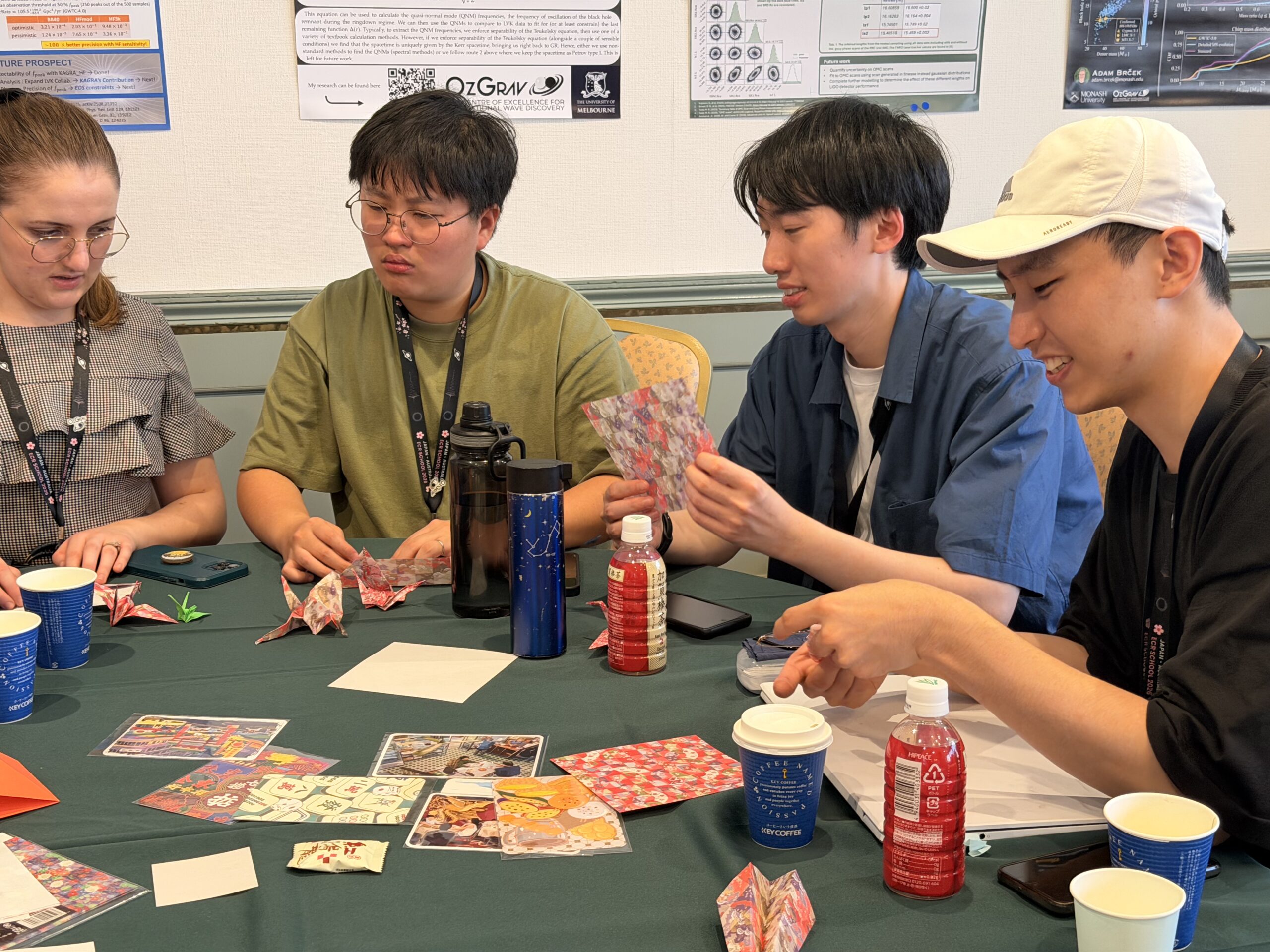
That spirit continued through an origami activity linking Japanese paper art with gravitational-wave science, as well as a team challenge through Kanazawa’s Omicho Market. Receptions, shared meals and informal conversations around the city gave those new connections room to grow.
These activities were not separate from the scientific purpose of the school. They were central to it.
International science depends on curiosity, trust and a willingness to understand the people behind the work. By learning about each other’s cultures and experiences, participants created a stronger foundation for future collaboration.
For me, one of the most rewarding parts of the week was watching the room change. Researchers who arrived as members of separate Australian and Japanese groups gradually became one community—sharing ideas, helping one another, celebrating each other’s work and forming friendships that I hope will continue for many years.
The school demonstrated that the future of the Australia–Japan relationship will be shaped not only by scientific excellence, but by the people behind the science. Participants returned to their institutions with new knowledge, a deeper appreciation of each other’s cultures and the beginnings of collaborations that may continue for decades.
Fifty years after Australia and Japan formalised their friendship, the next generation is already helping write its next chapter—one conversation, one collaboration and one discovery at a time.
Acknowledgements
This school would not have been possible without the dedication, generosity and countless hours contributed by our organising committee. On behalf of everyone involved, thank you for your passion, collaboration and commitment to creating an unforgettable experience for the next generation of Australian and Japanese researchers.
Japan organising team: Kentaro Somiya, Haoyu Wang, Kenta Tanaka, Hayato Imafuku, Daiki Watarai and Kazuya Kobayashi.
Australia organising team: Diana Haikal, Jackie Bondell, Neil Lu, Christine Lee, Samuel Sentschuk, Ari Hernandez and Olivia Vidal Velázquez.
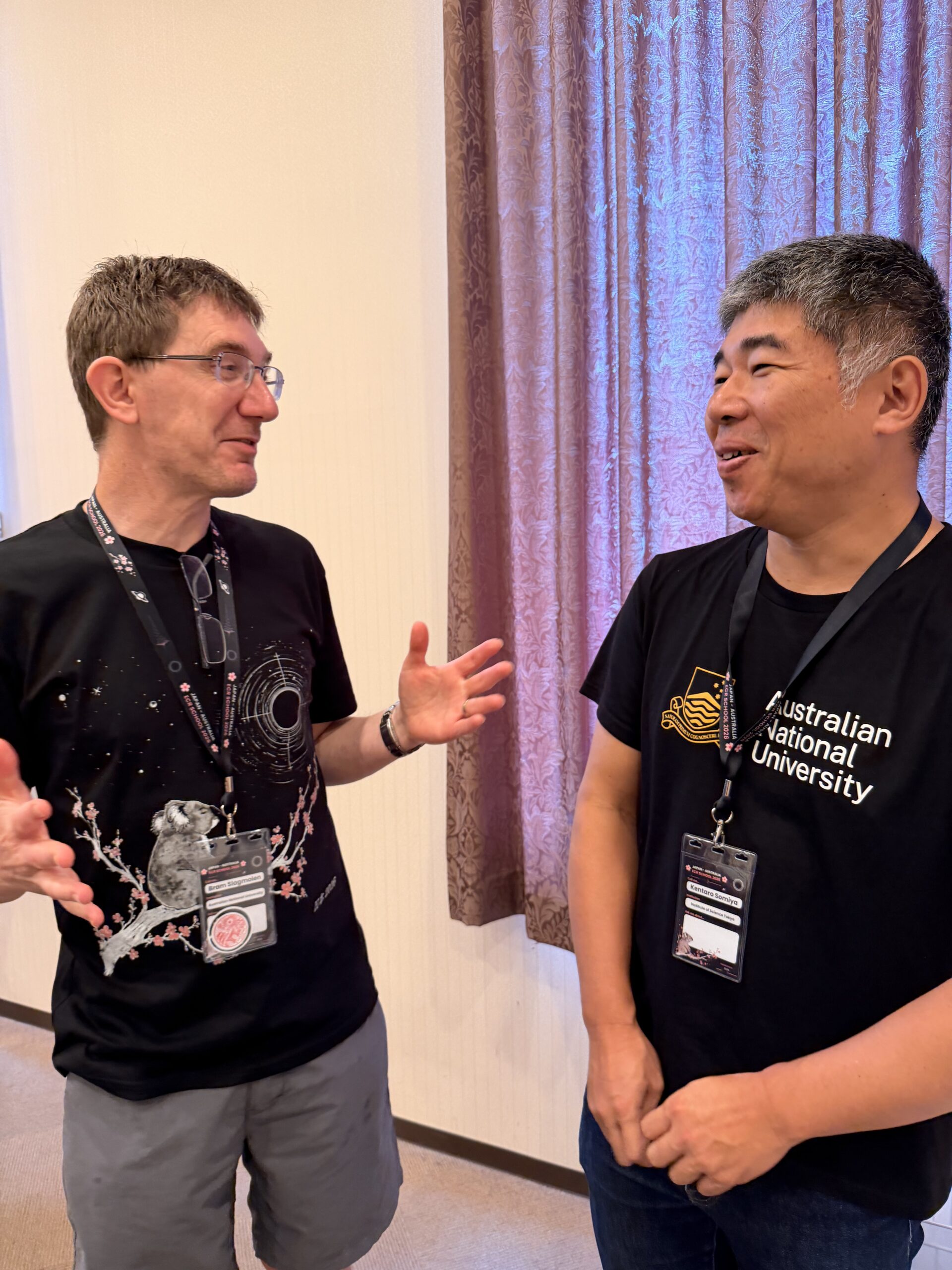
Photo Gallery: A selection of moments from the Joint OzGrav–KAGRA Early Career Researcher School, capturing four days of scientific discovery, cultural exchange and the friendships that reflect the enduring partnership between Australia and Japan.