OzGrav is delighted to congratulate Dr Fiona Panther, who has been named a finalist in the Early Career Scientist of the Year category at the 2026 Premier’s Science Awards.
This milestone year marks the 25th anniversary of the Premier’s Science Awards, celebrating outstanding research, study, education and engagement in science, technology, engineering and mathematics (STEM) across Western Australia.
Being named a finalist is a wonderful recognition of Fiona’s contributions to scientific research and her impact as an emerging leader in STEM.
We’re incredibly proud to see Fiona recognised as a finalist. This recognition reflects her dedication, innovation and the outstanding research she is undertaking.
Everyone at OzGrav congratulates Fiona on this well-deserved achievement and wishes her every success at the awards ceremony.
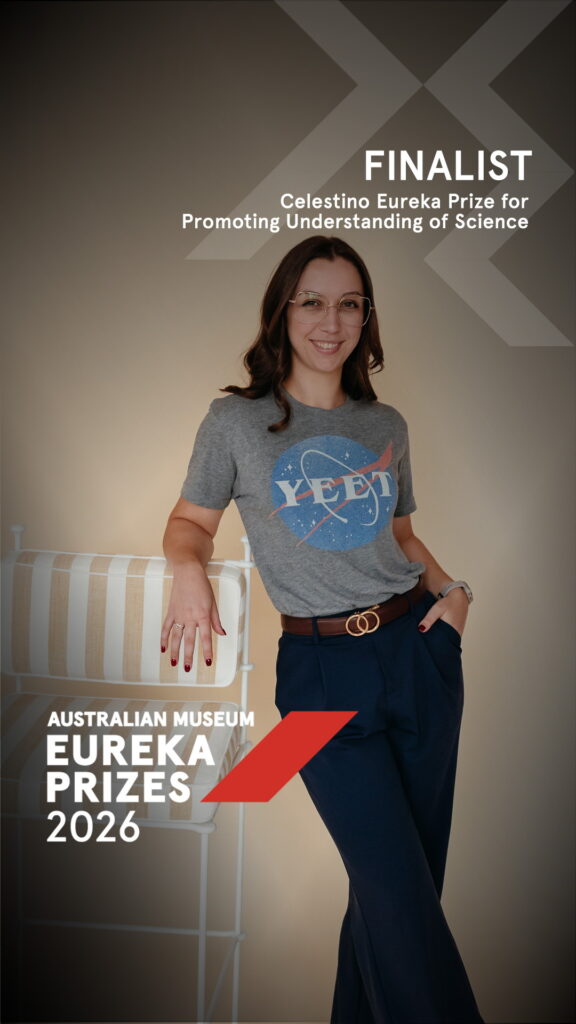
The Australian Museum (AM) has announced the finalists of the 2026 Australian Museum Eureka Prizes, recognising the outstanding homegrown scientists, innovators and communicators that drive exploration and discovery across Australia.
Spanning 19 categories, this year’s awards recognise 58 finalists representing 150 individuals from across Australia.
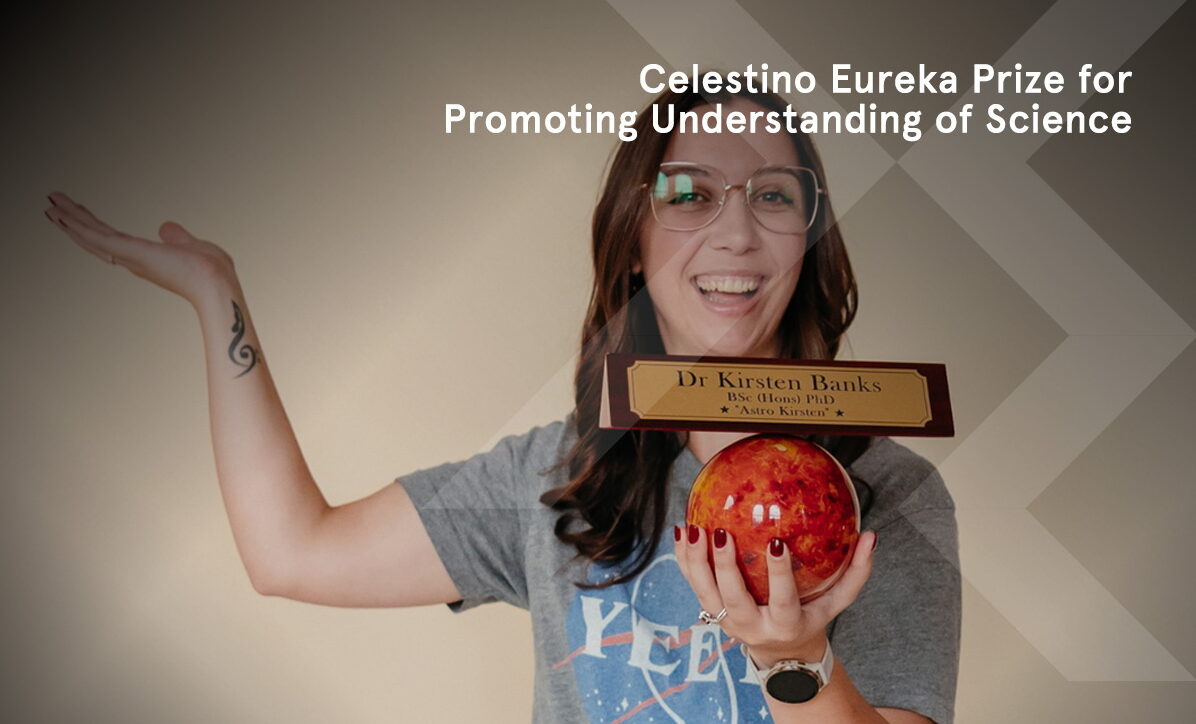
OzGrav is proud to congratulate Dr Kirsten Banks, who has been named a finalist in the 2026 Celestino Eureka Prize for Promoting Understanding of Science.
Kirsten is a Wiradjuri astrophysicist bridging gaps in space science for audiences often missed by traditional science communication. Reaching nearly one million followers and 115 million views in 2025, she combines social media, broadcast commentary, live events, school programs and First Nations astronomy advocacy to make astrophysics accessible.
The Australian Museum Eureka Prizes are Australia’s premier science awards, celebrating excellence in research, innovation, leadership and science communication. This year’s finalists represent the remarkable breadth of scientific talent and impact across the country.
Everyone at OzGrav congratulates Kirsten on this outstanding and well-deserved recognition. We wish her all the very best for the Australian Museum Eureka Prizes awards ceremony, to be held at Sydney Town Hall on 3 September 2026.
Image: Dr Kirsten Banks, 2026 Eureka Prizes Finalist – Promoting Understanding of Science.
Celebrating the 50th anniversary of the Australia–Japan Basic Treaty of Friendship and Cooperation through science, cultural exchange and collaboration.
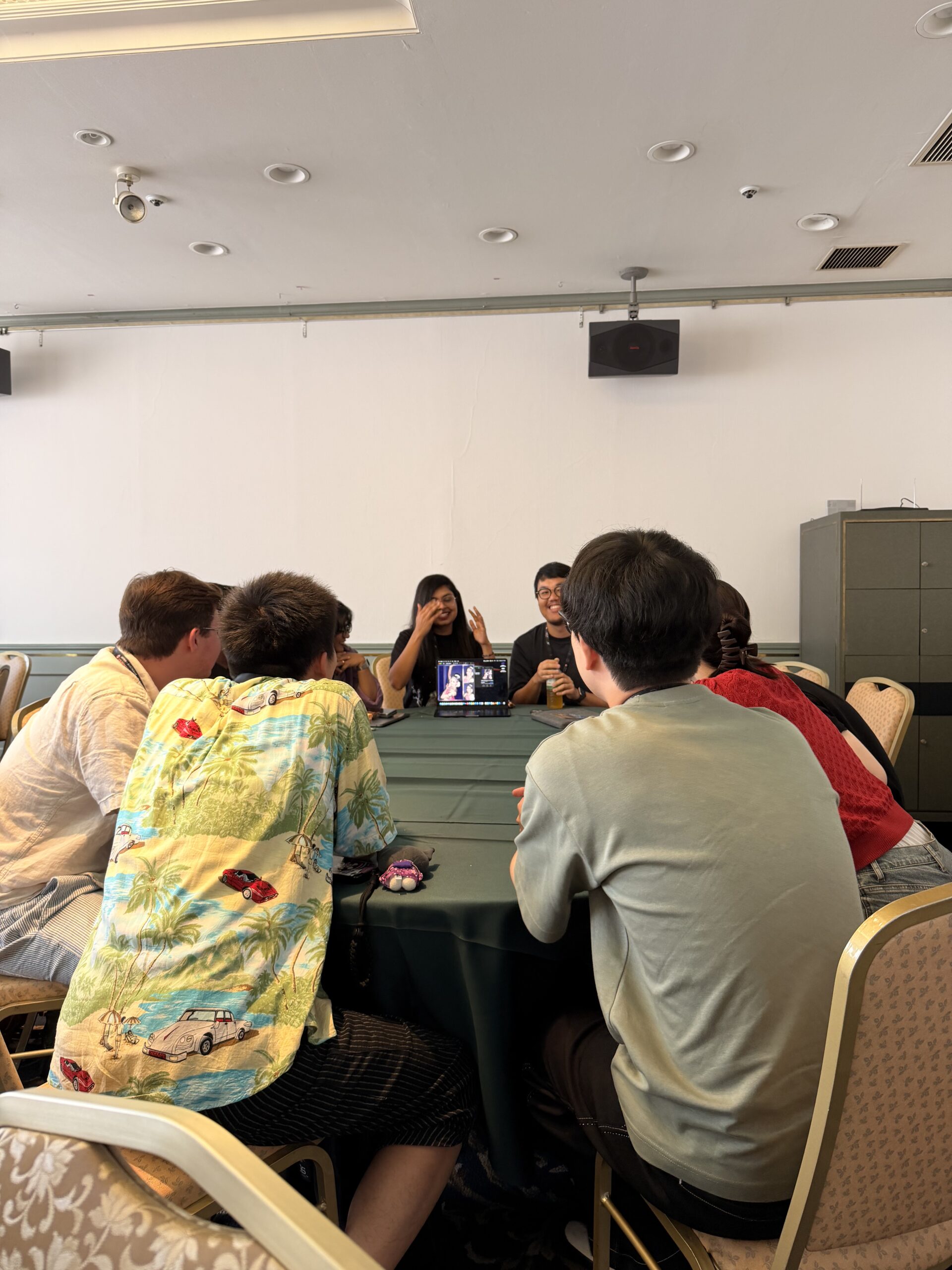
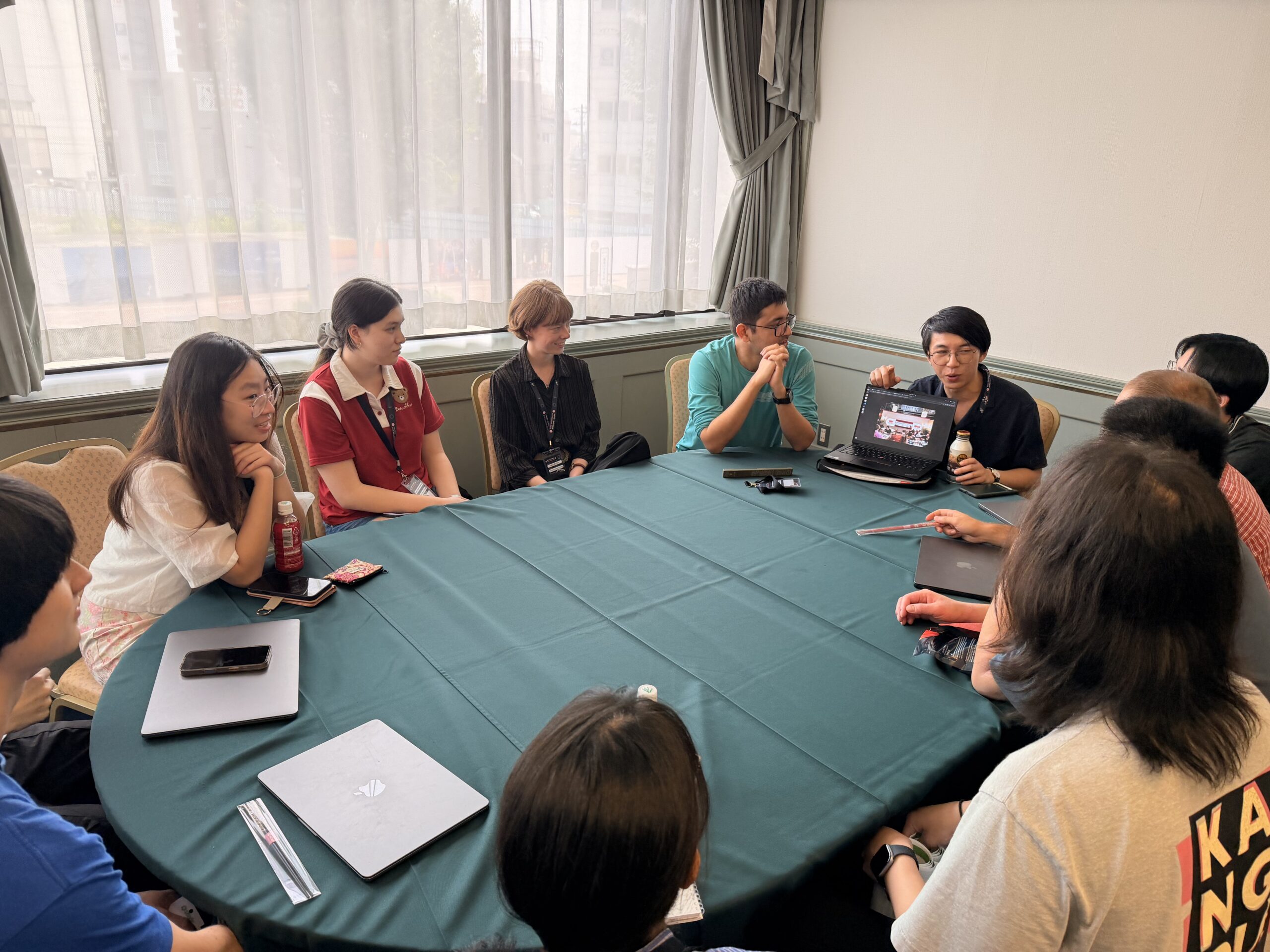
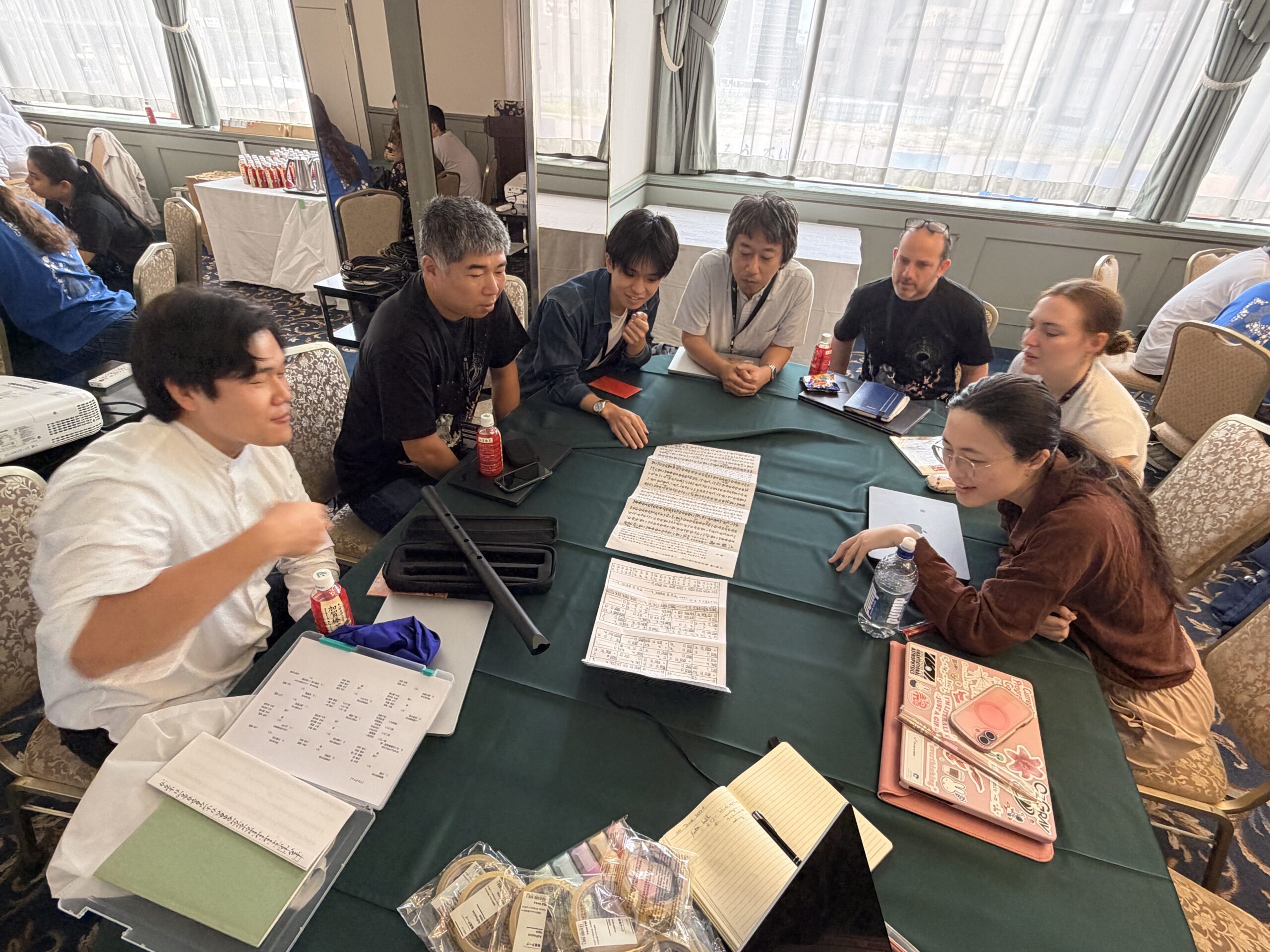
Young gravitational-wave researchers from Australia and Japan came together in Kanazawa to exchange scientific ideas, experience each other’s cultures and build the relationships that will shape the future of international science.
As Australia and Japan celebrate the 50th anniversary of the Basic Treaty of Friendship and Cooperation, a new generation of scientists is helping carry that relationship forward.
Signed in Tokyo in 1976, the Treaty established a foundation for enduring friendship, mutual understanding and cooperation between the two countries. Fifty years later, those principles continue to be reflected in the research partnerships, cultural exchange and people-to-people connections linking Australia and Japan.
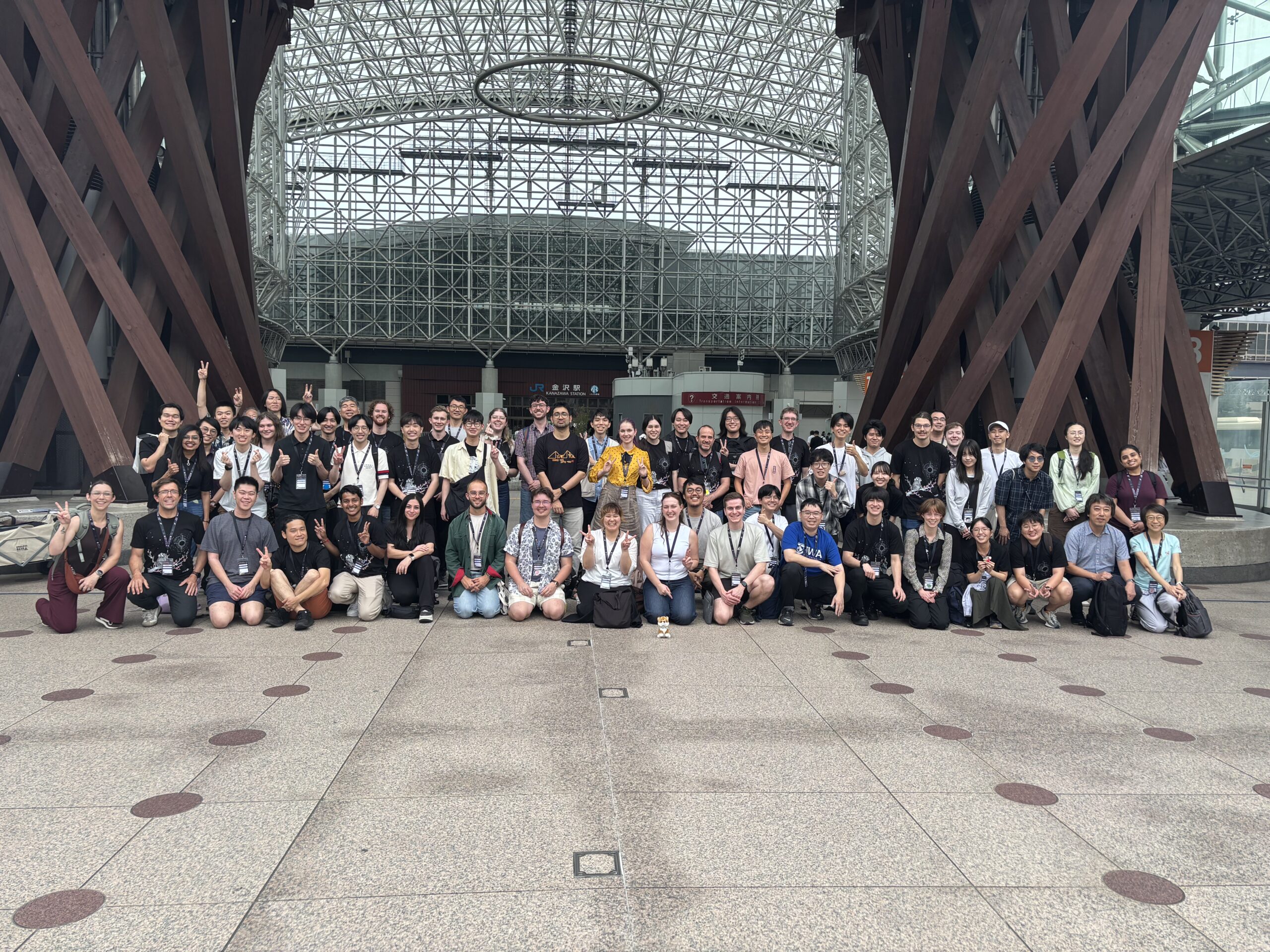
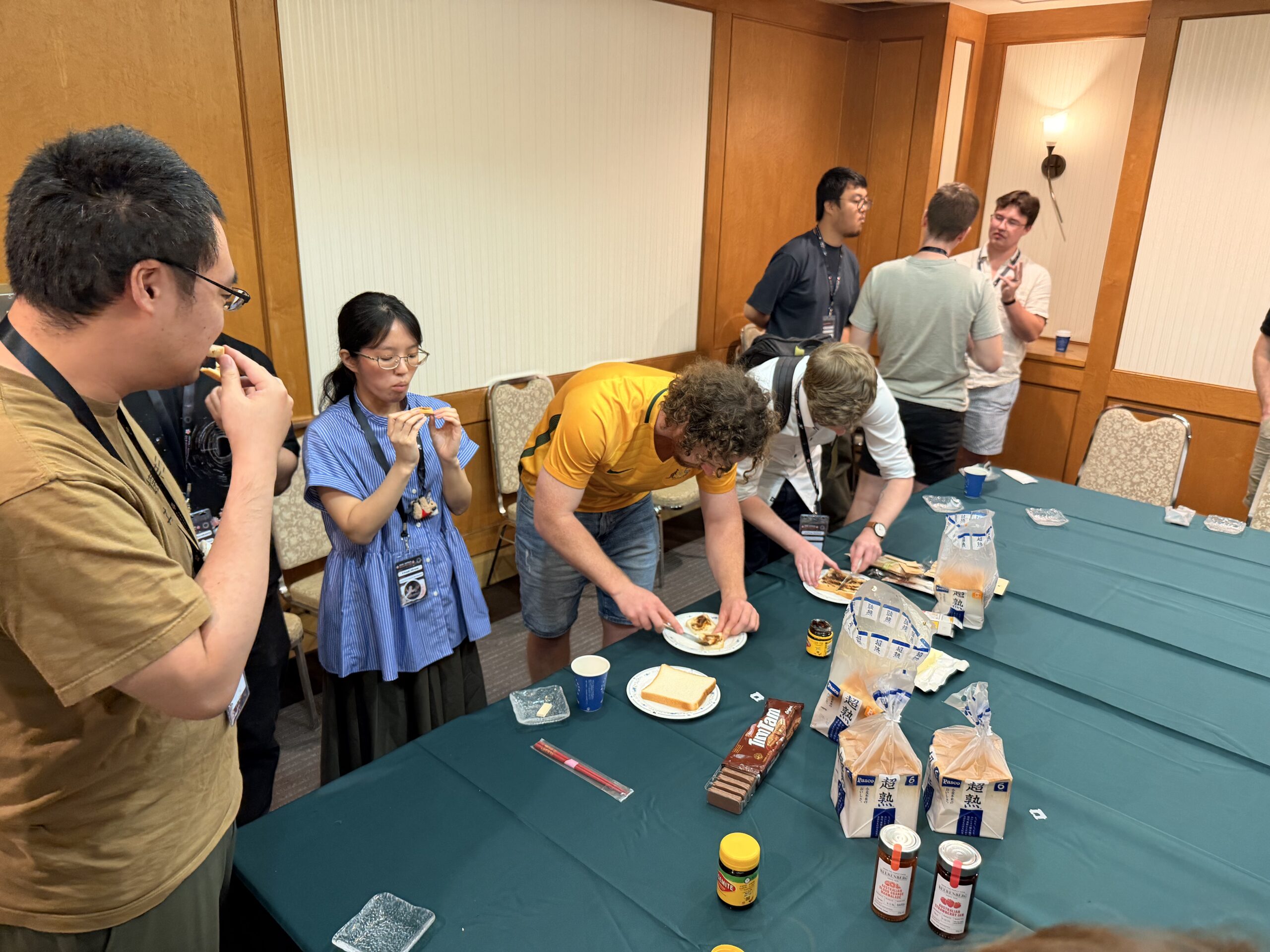
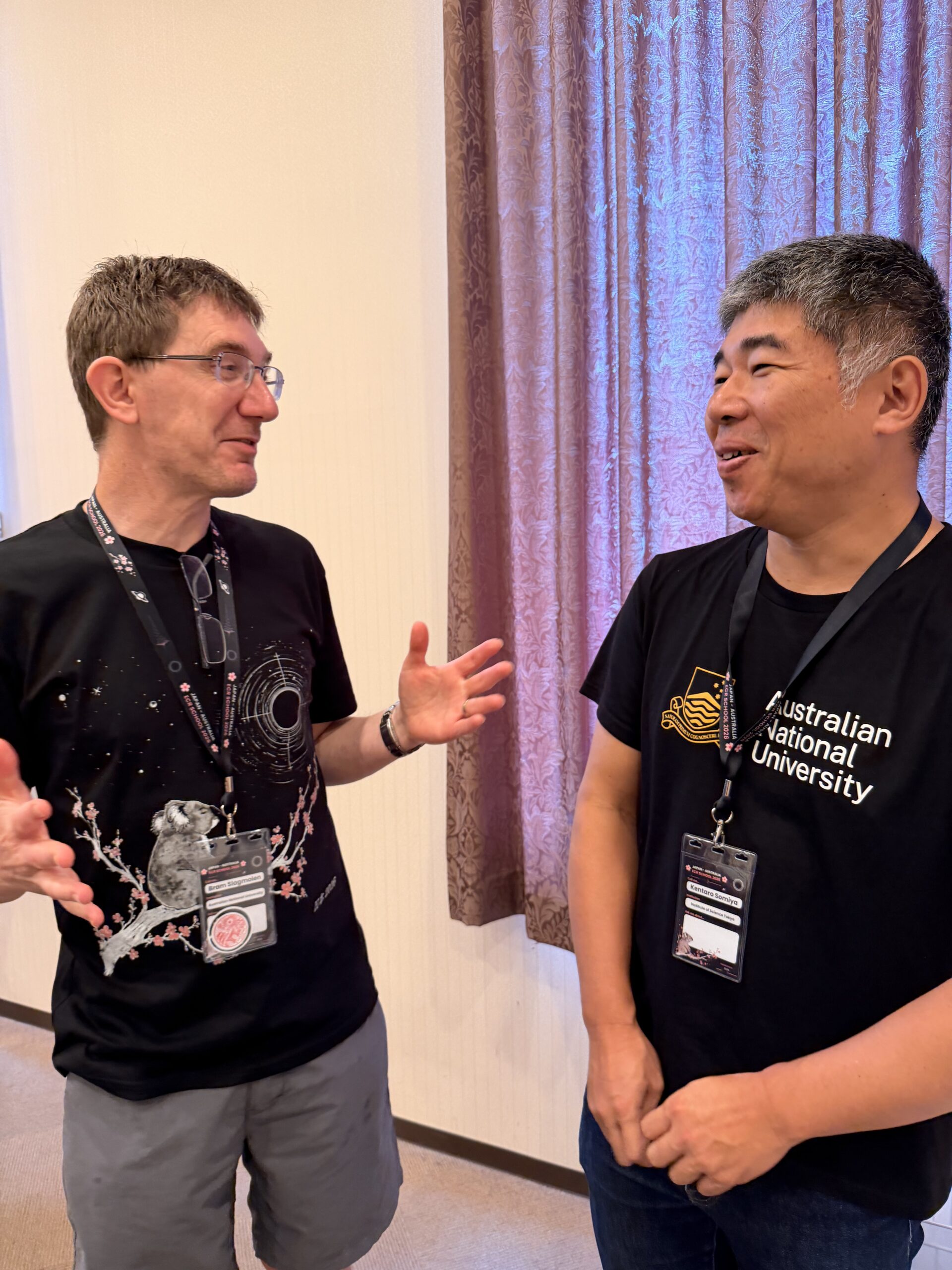
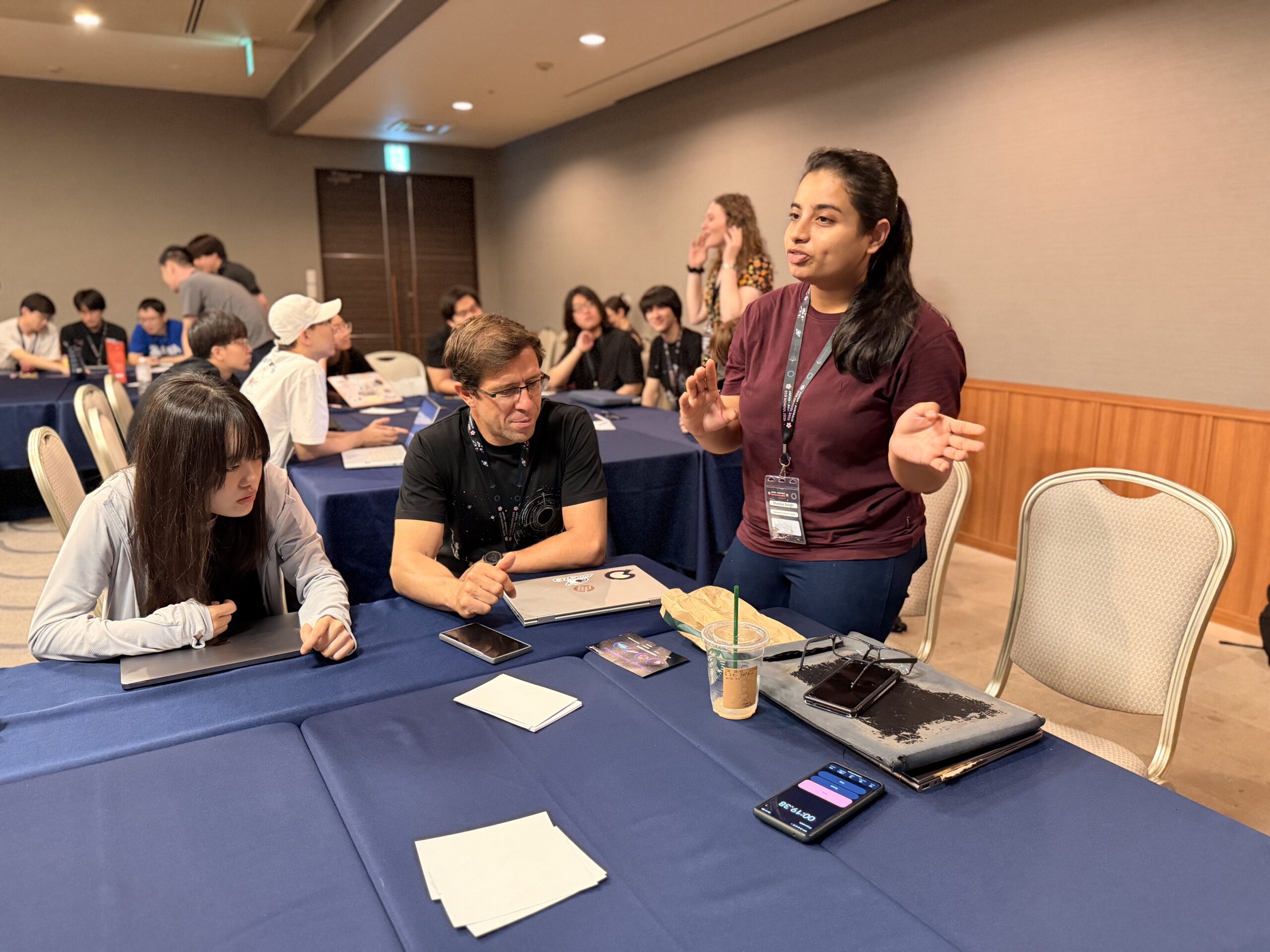
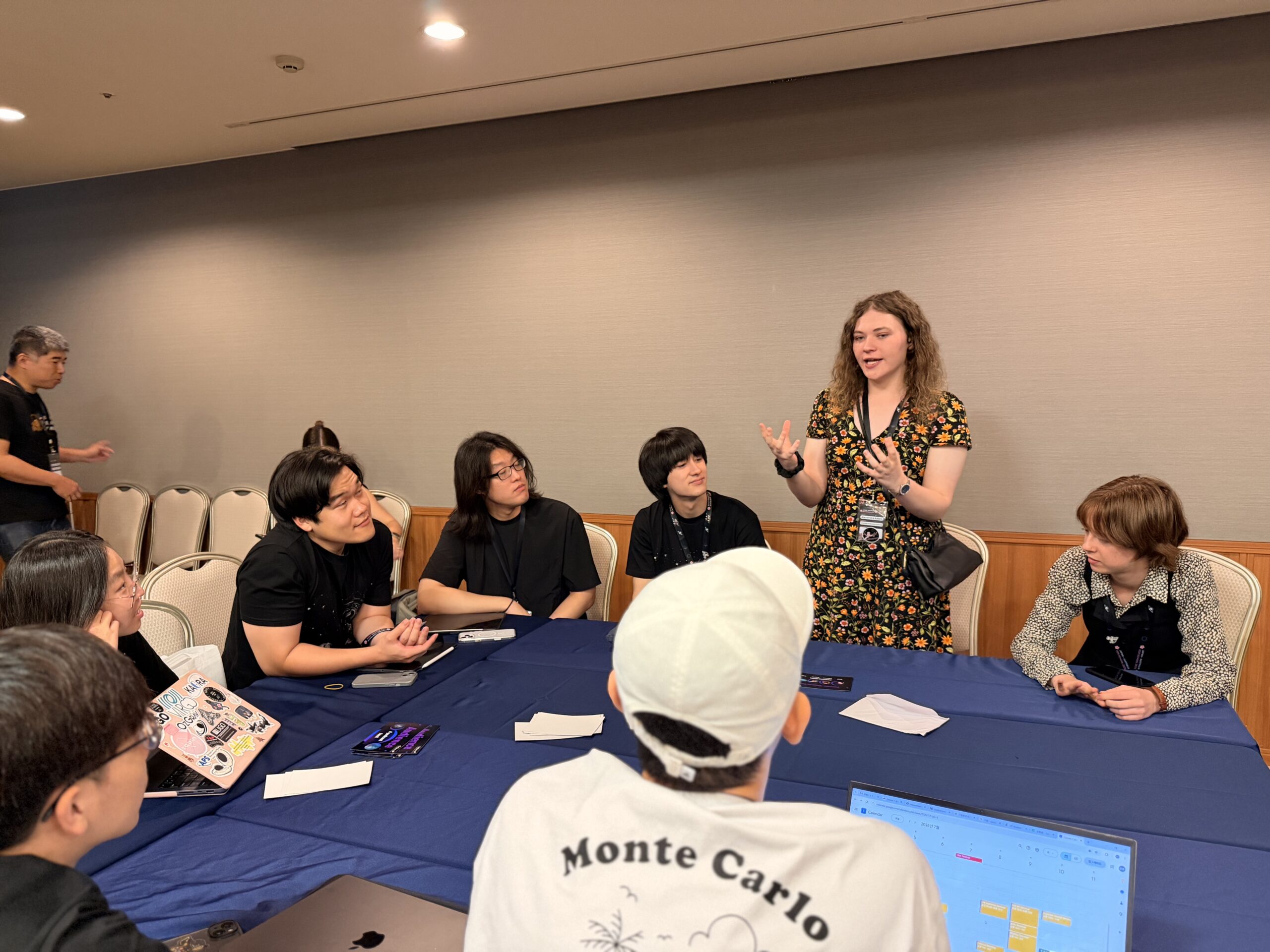
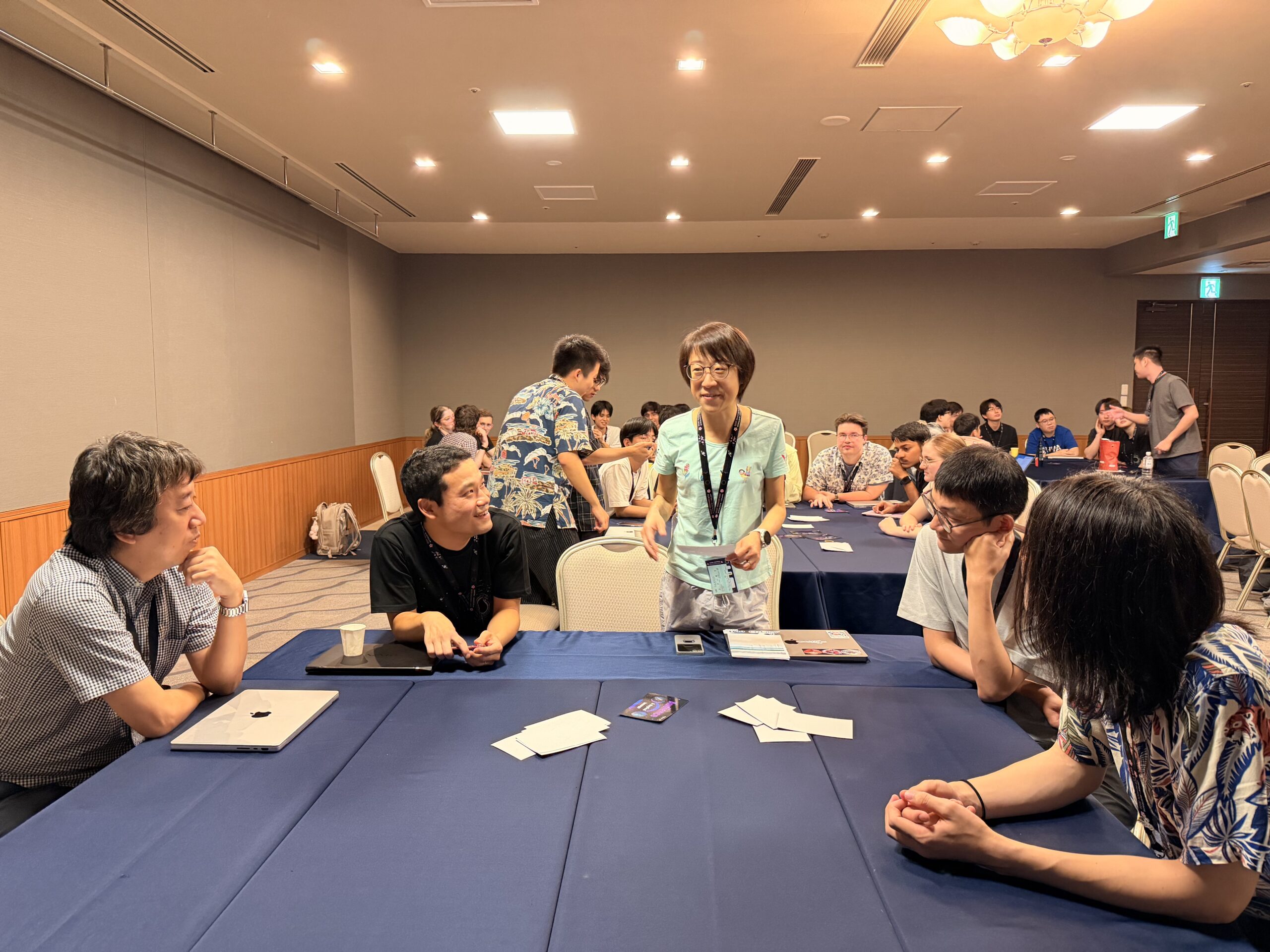
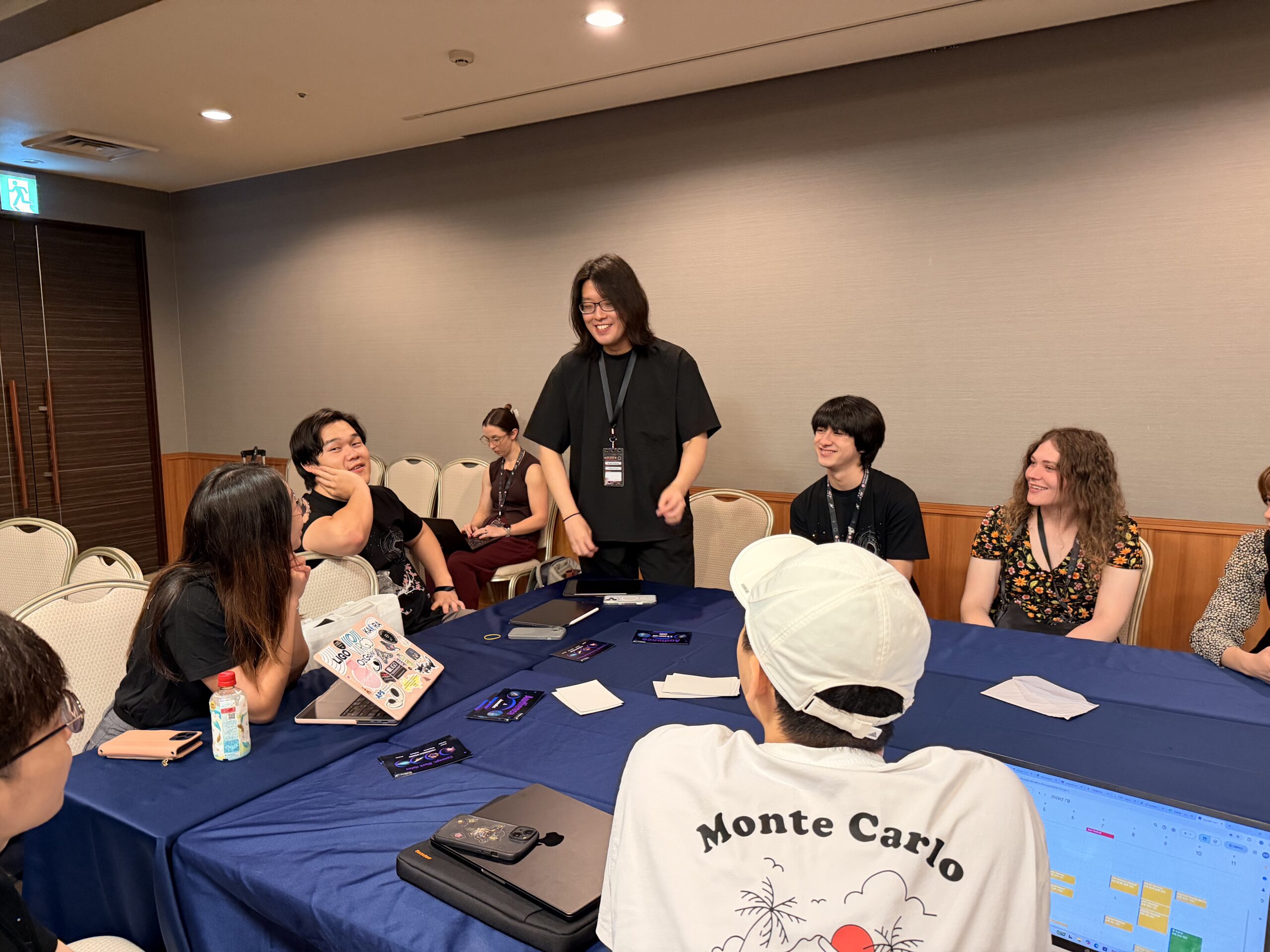
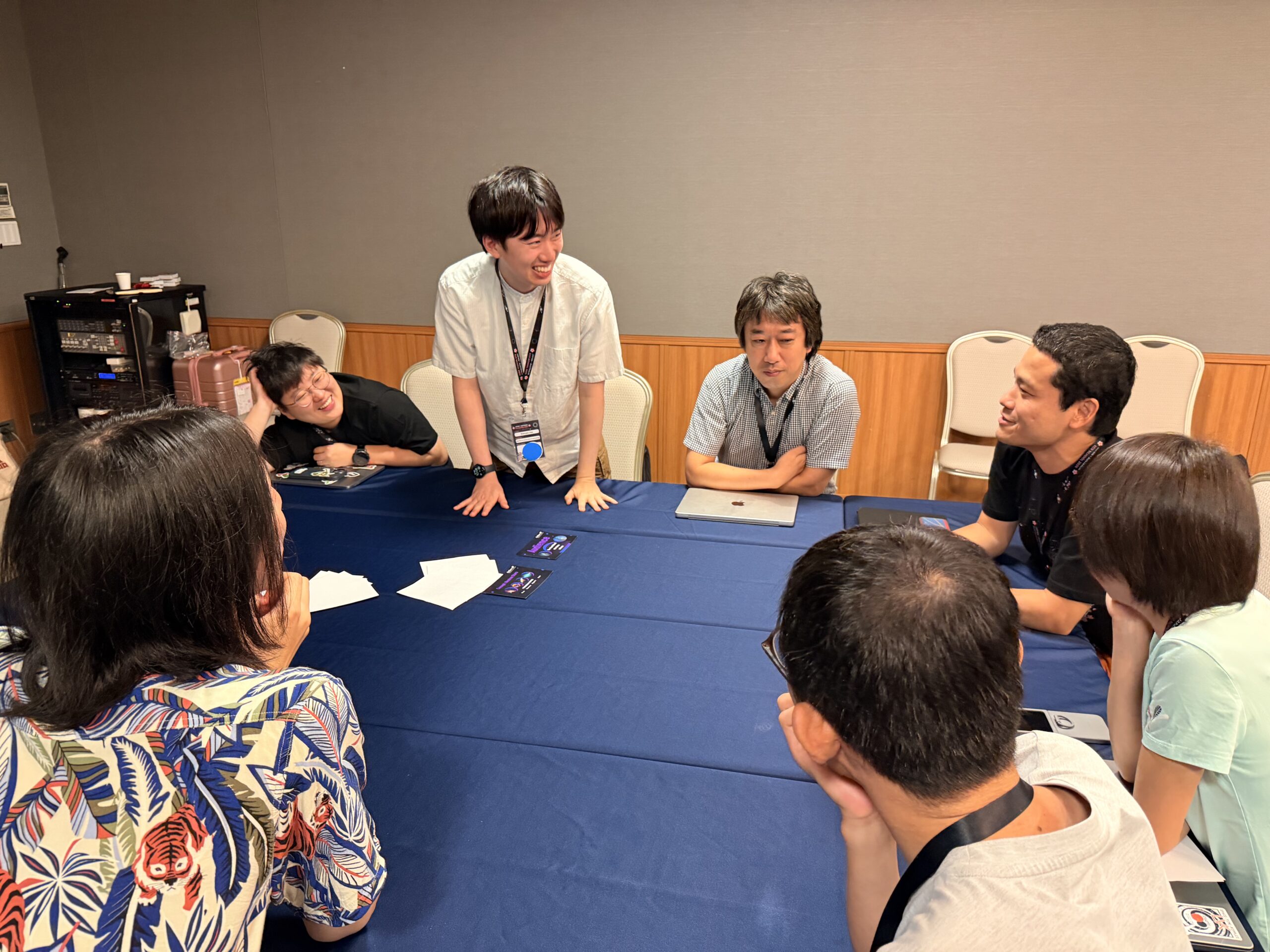
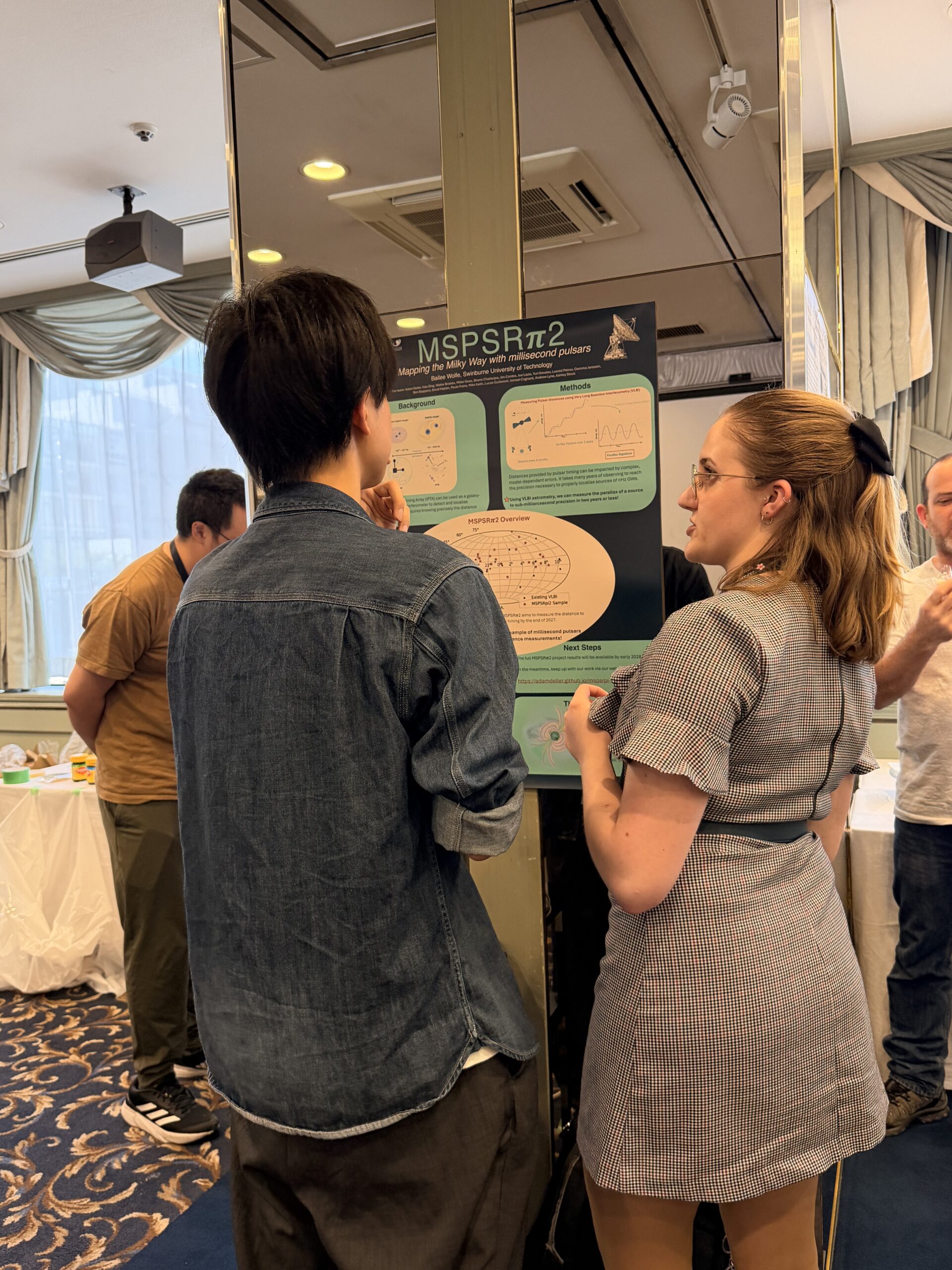
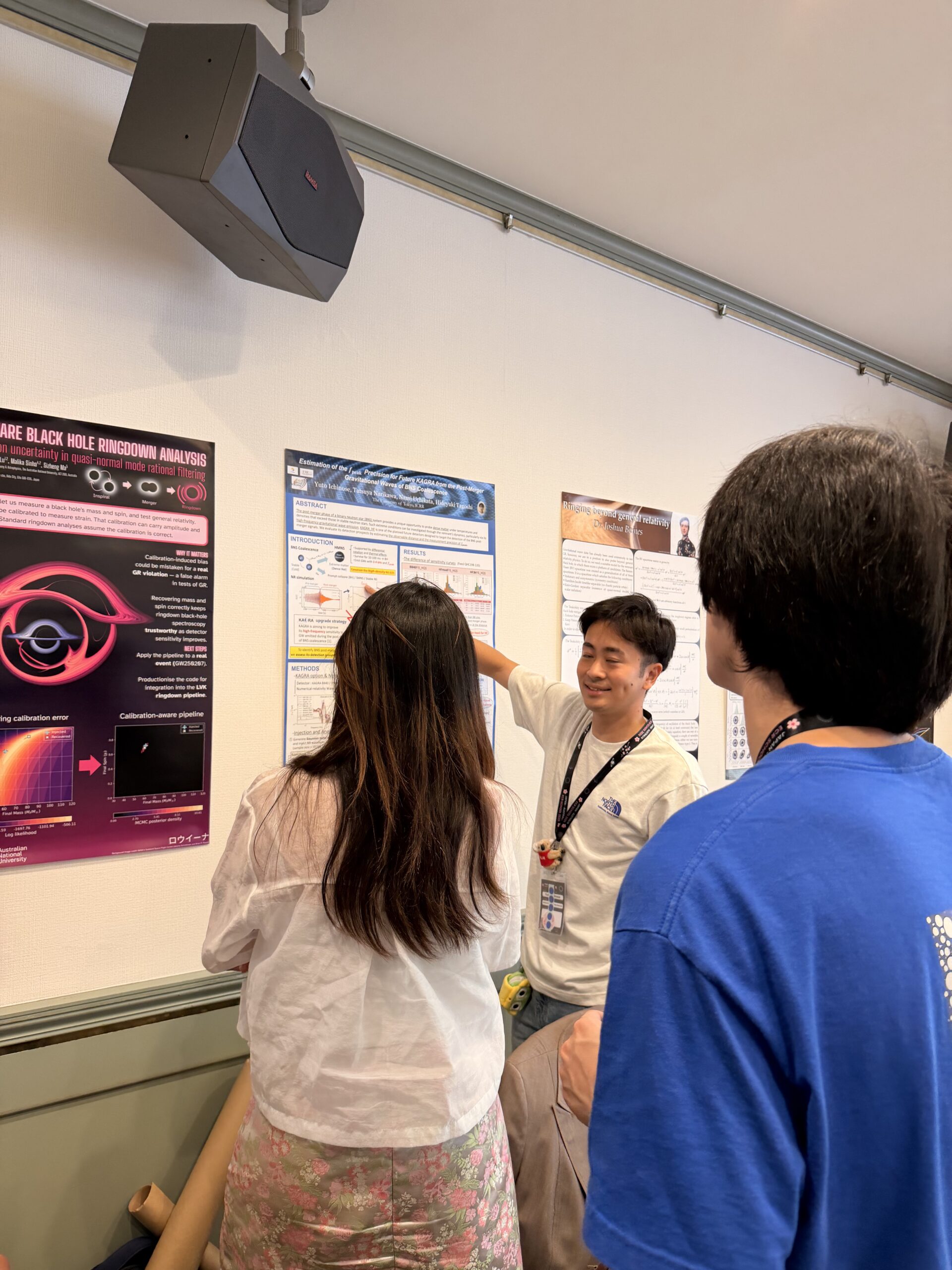
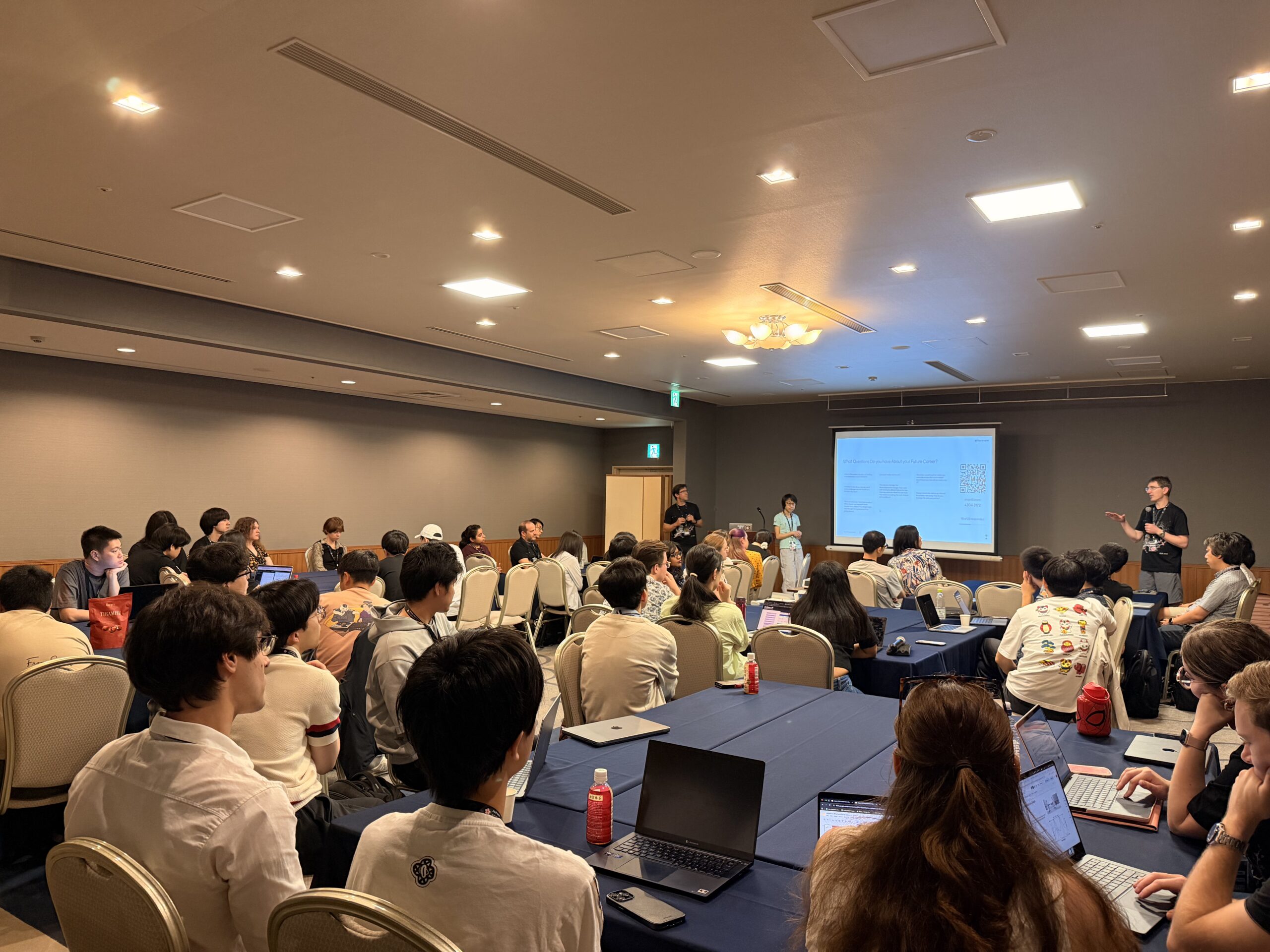
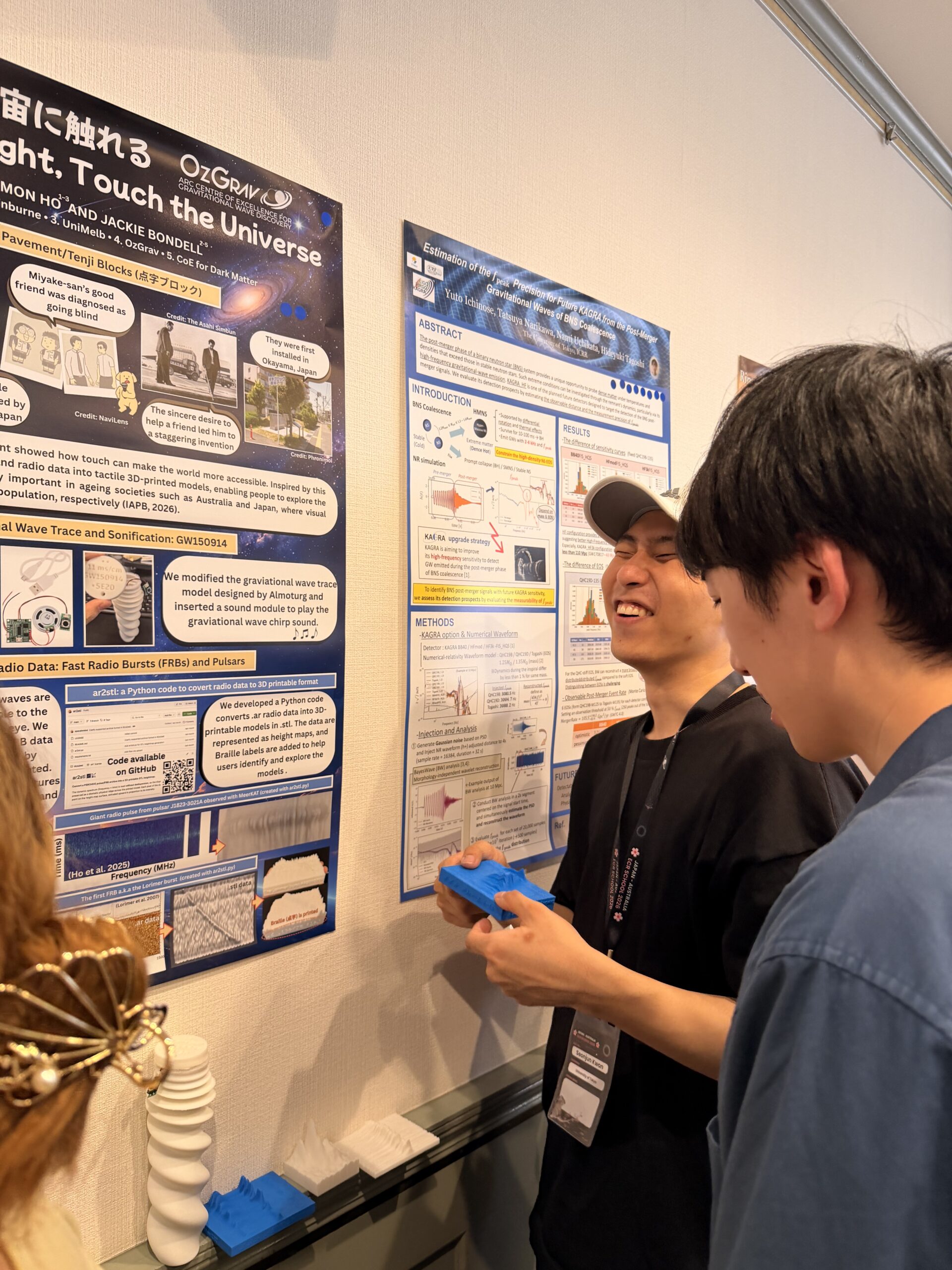
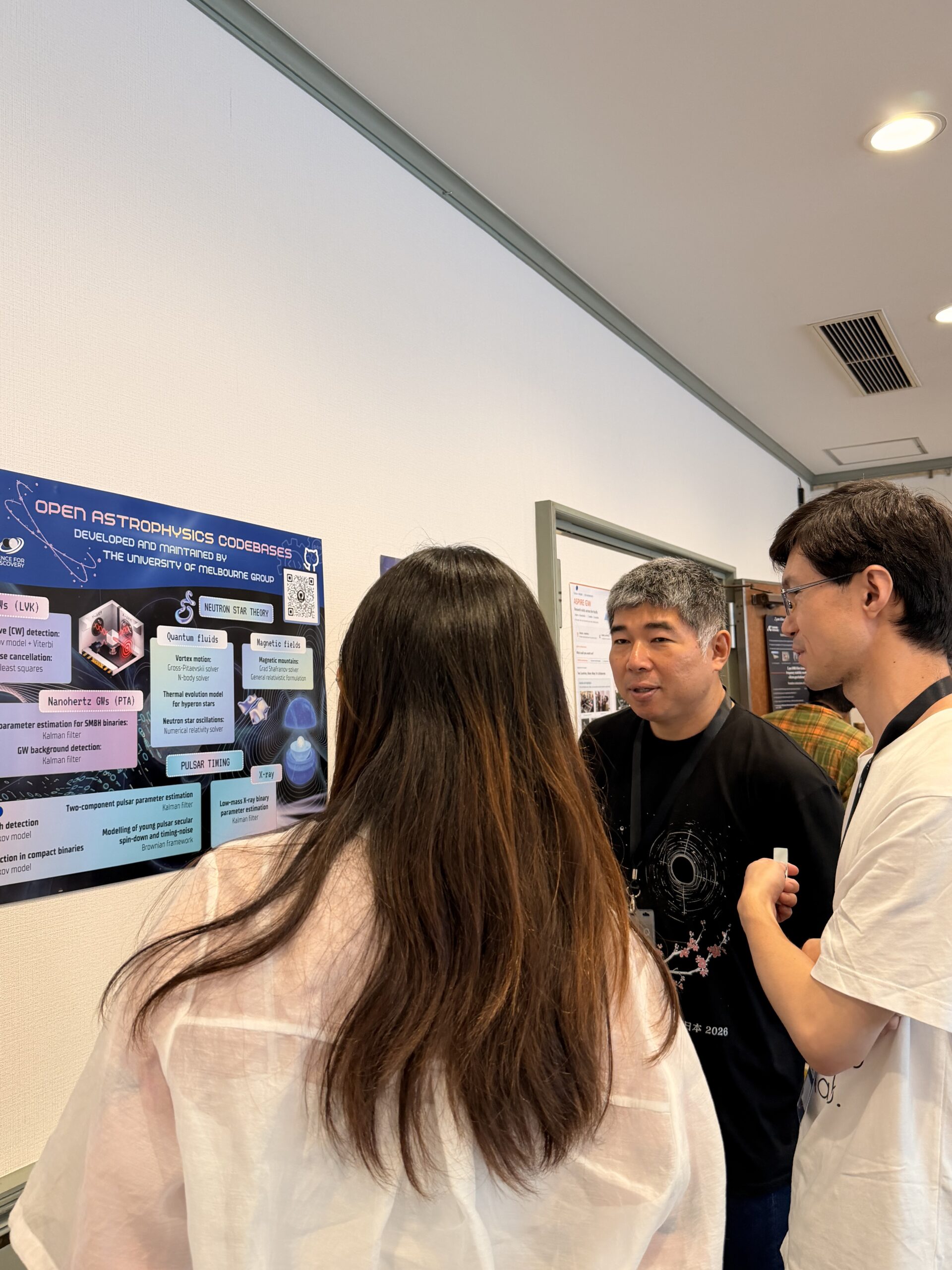
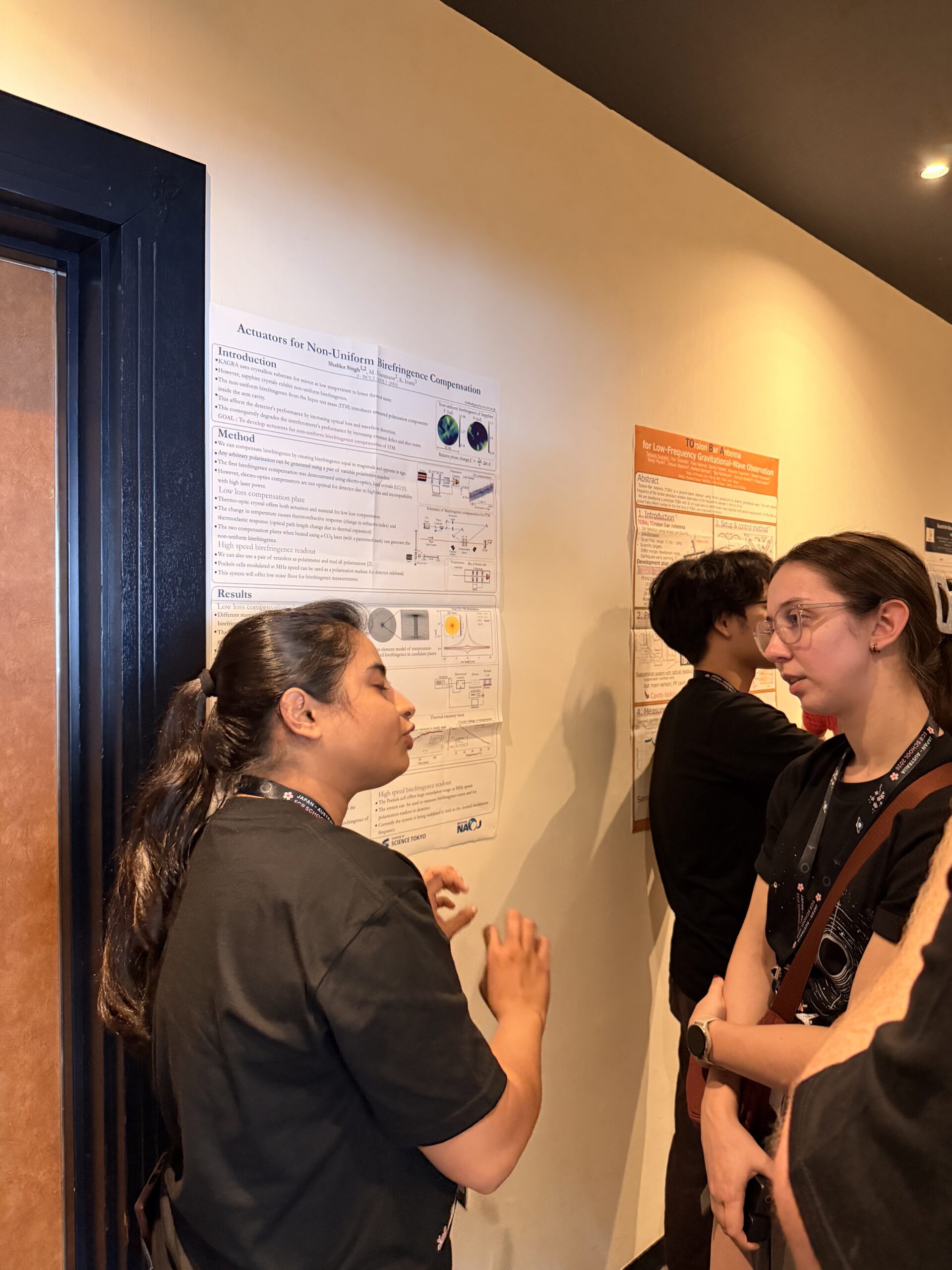
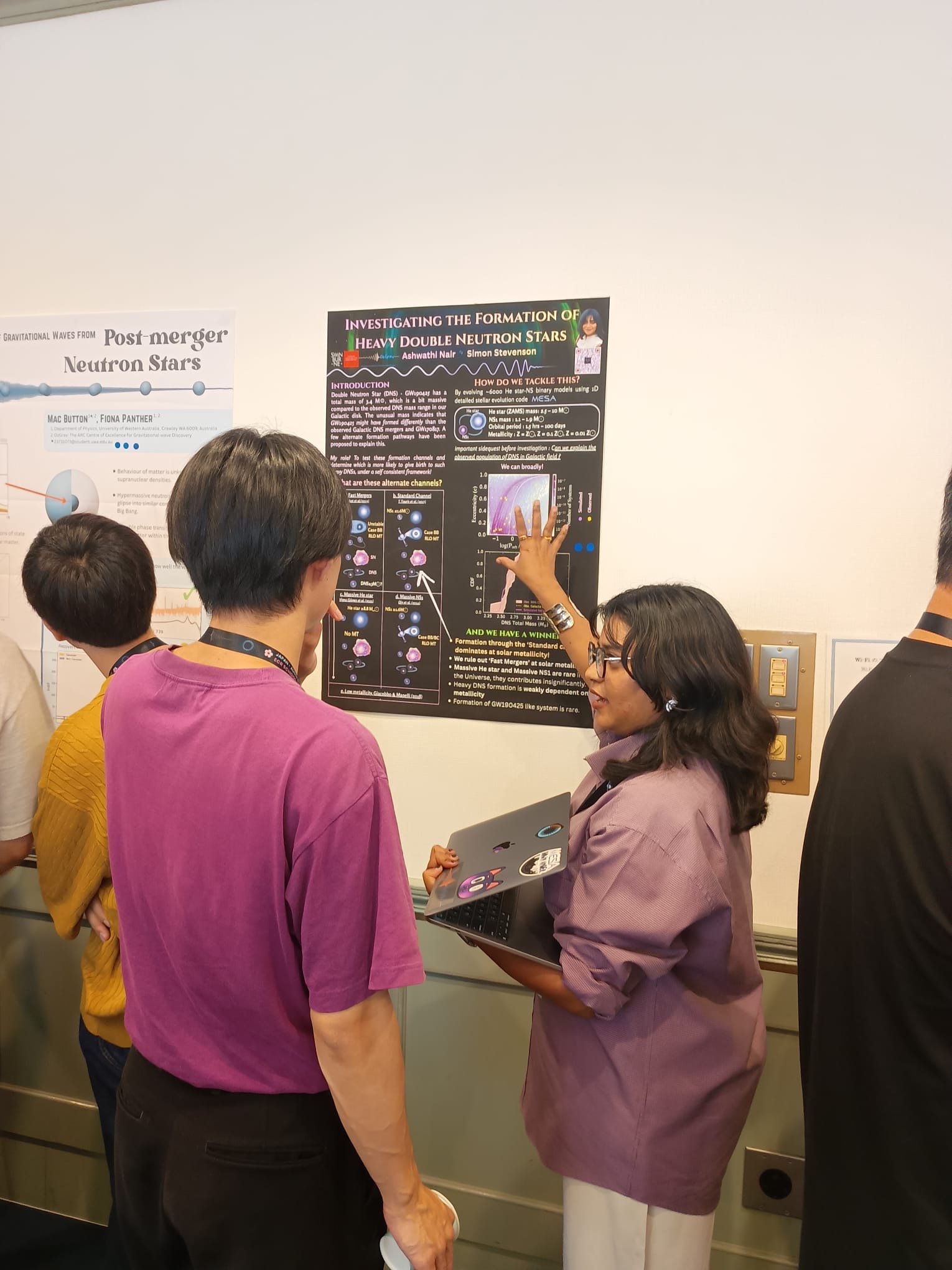
Last week, early career researchers in gravitational-wave science and astrophysics from universities and research institutions across Australia and Japan gathered in Kanazawa for the Joint OzGrav–KAGRA Early Career Researcher School. The group included researchers connected with Australia’s ARC Centre of Excellence for Gravitational Wave Discovery (OzGrav), the KAGRA collaboration, the Institute of Science Tokyo, the University of Tokyo and other institutions across both countries.
The school brought together cutting-edge gravitational-wave science, professional development and cultural exchange, giving emerging researchers from both countries the opportunity to learn from one another and form relationships early in their careers.
Gravitational-wave science is international by nature. Detecting tiny ripples in spacetime requires observatories, researchers and institutions around the world to work together. The school helped participants see that collaboration not only as a scientific necessity, but as something built through trust, communication and shared experience.
A major highlight was the visit to KAGRA, the world’s first underground gravitational-wave detector and the first to use cryogenically cooled mirrors.
For many of the Australian participants, travelling into the mountains of Gifu Prefecture and entering KAGRA’s kilometre-scale underground tunnels brought the science they study to life. They saw the extraordinary engineering required to detect movements far smaller than the width of an atom and met the scientists and engineers working directly on the observatory.
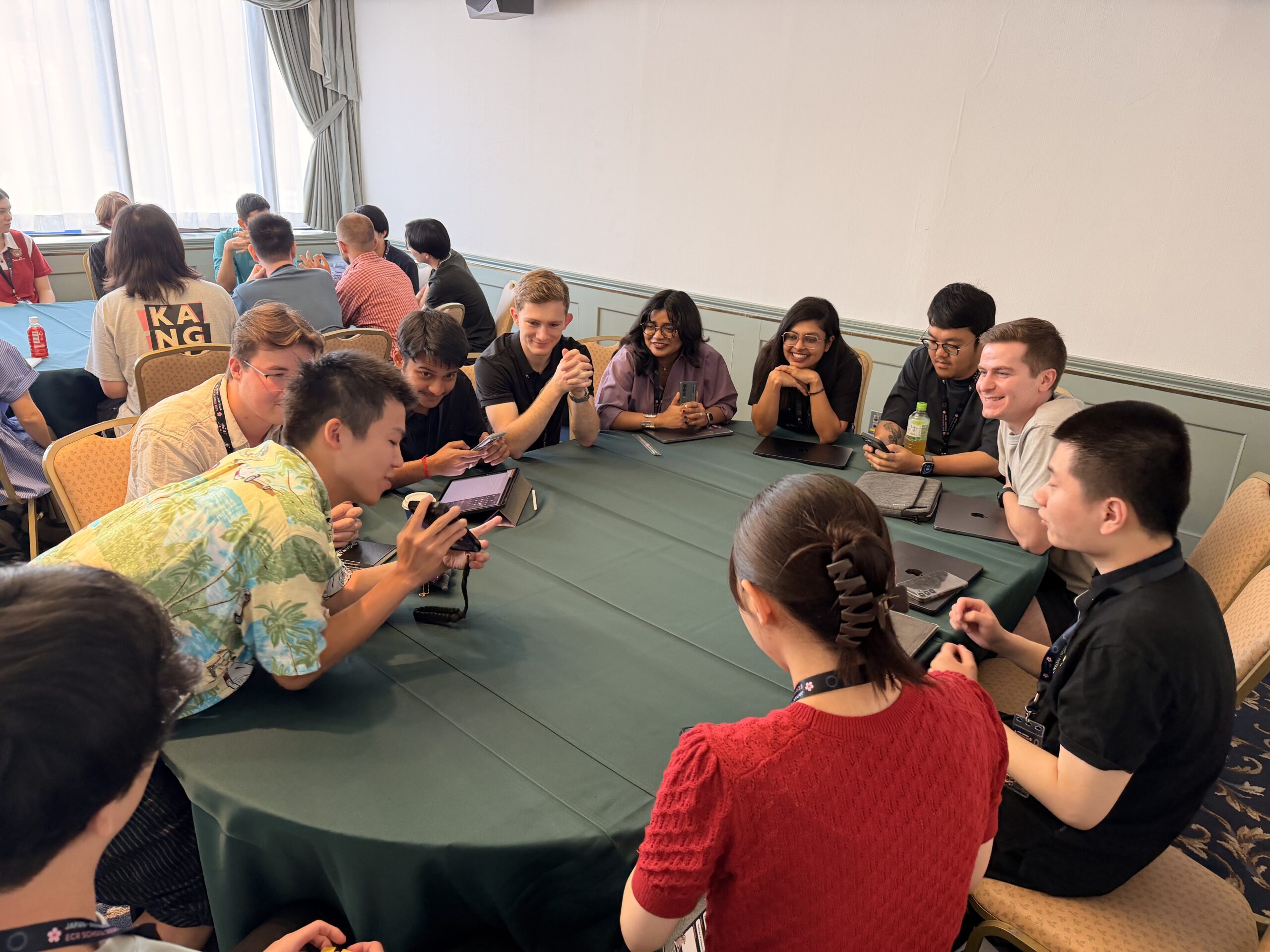
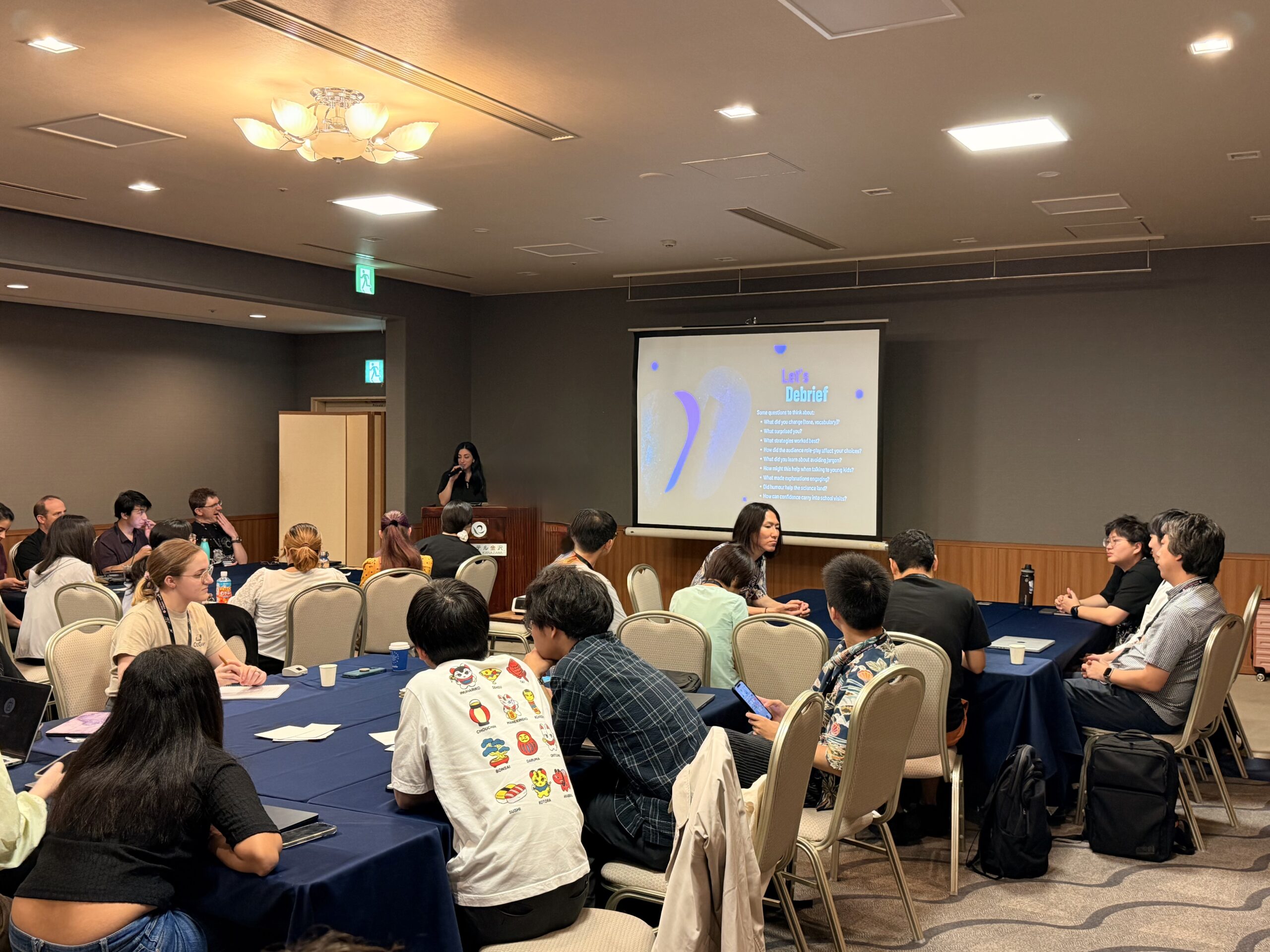
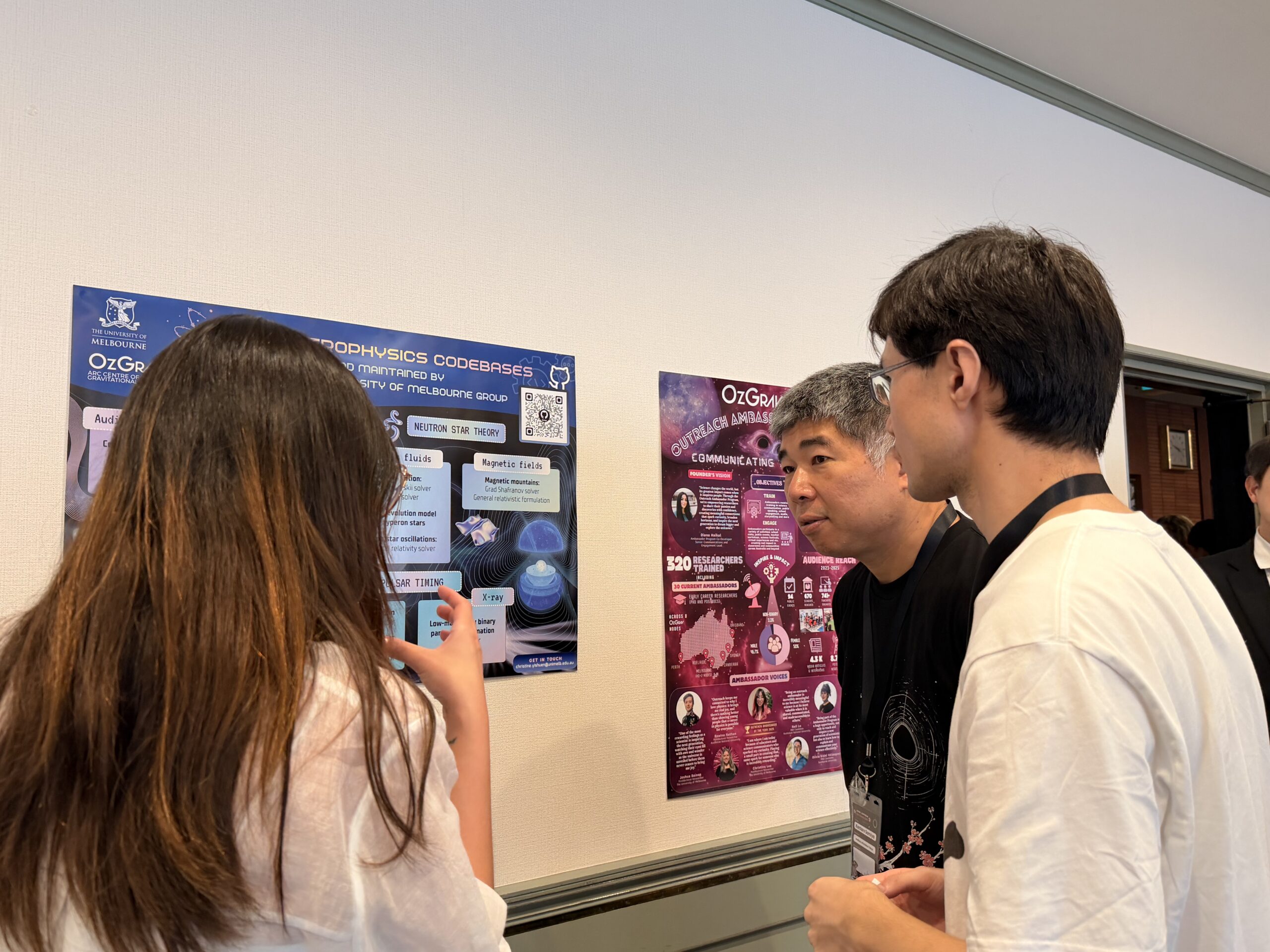
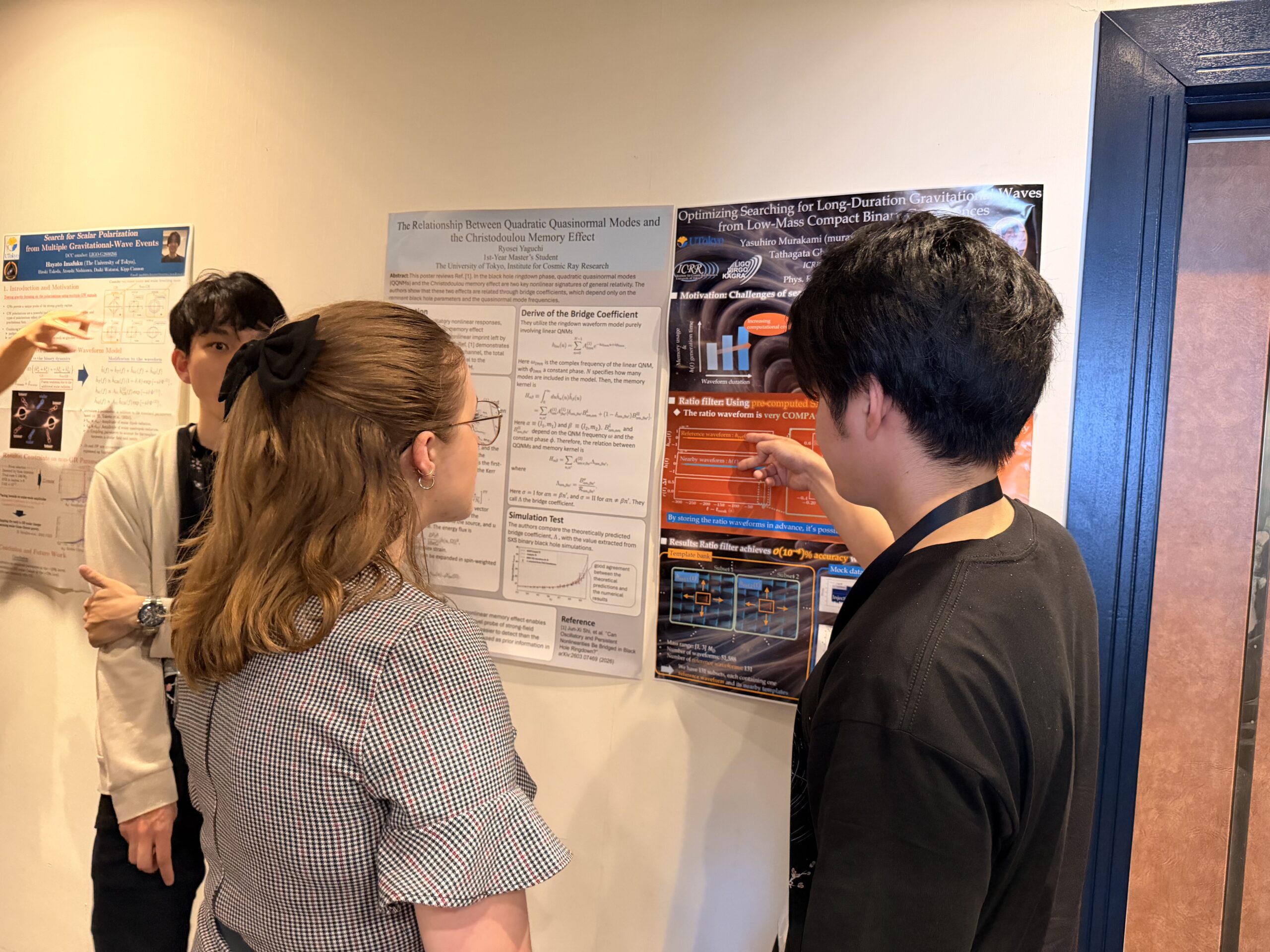
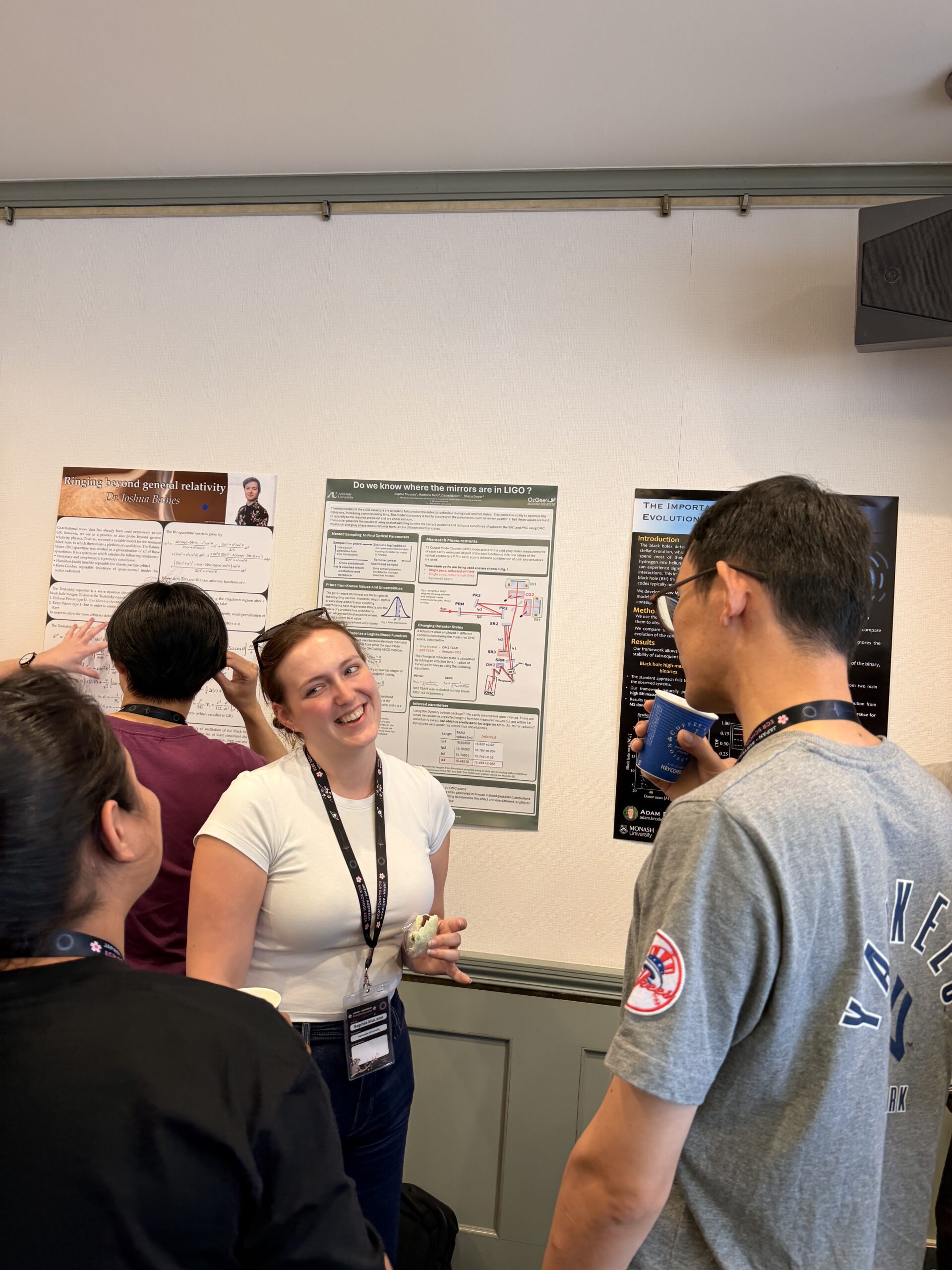
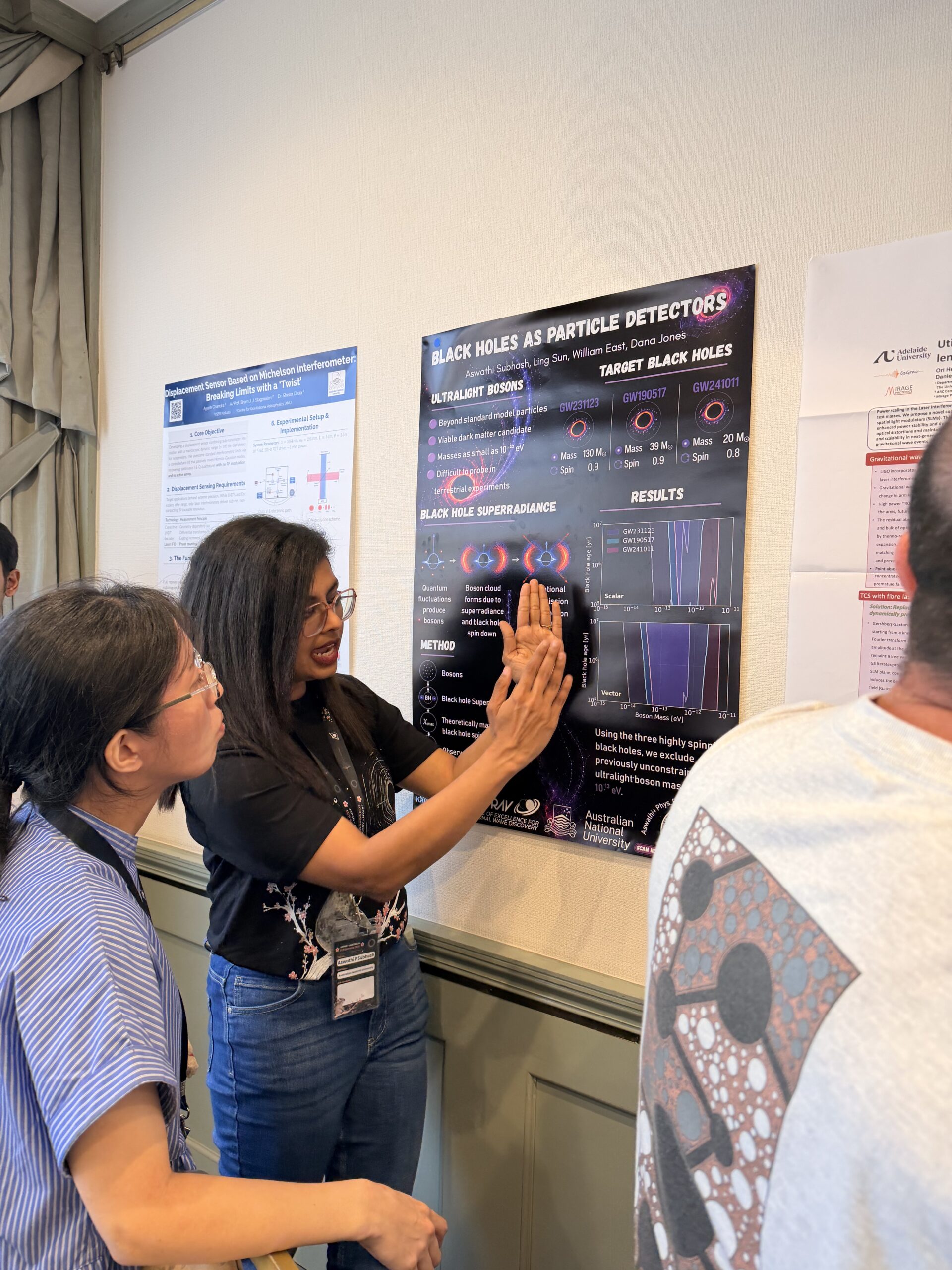
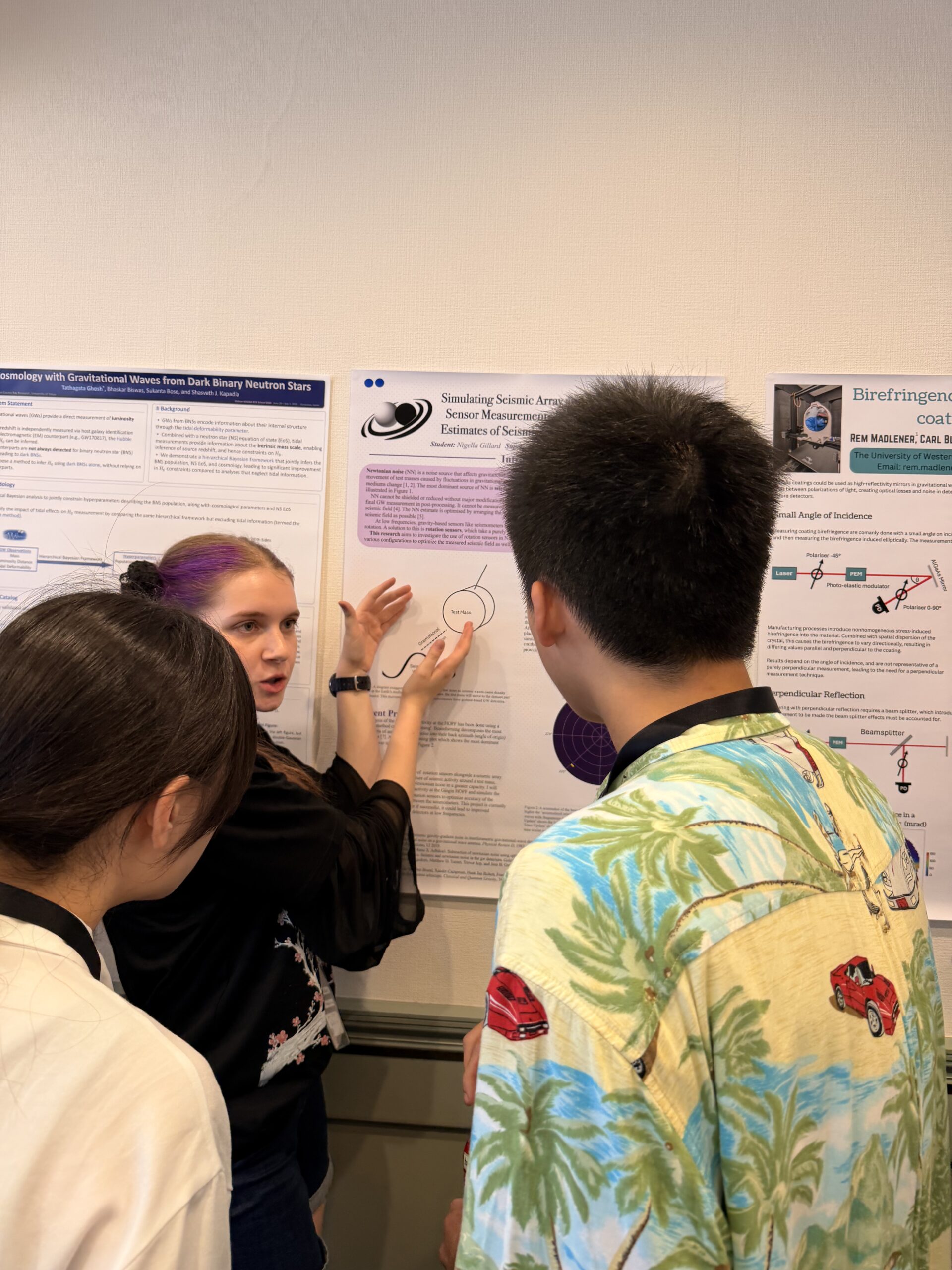
Across the four-day program, participants explored gravitational-wave theory, astronomy, detector instrumentation, data analysis, cosmology and fundamental physics through lectures, panels, workshops and poster presentations.
But we wanted the school to be more than a technical conference.
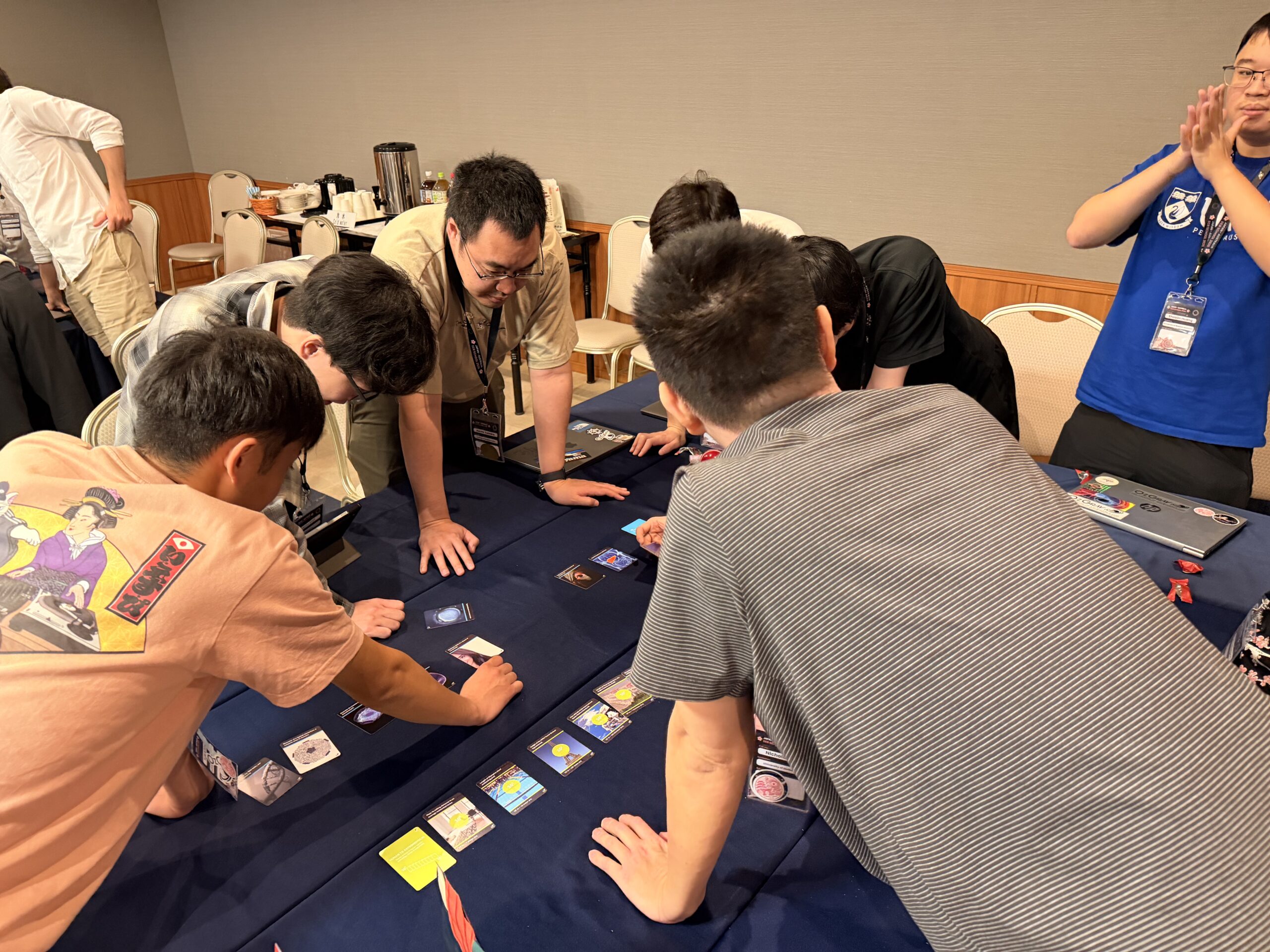
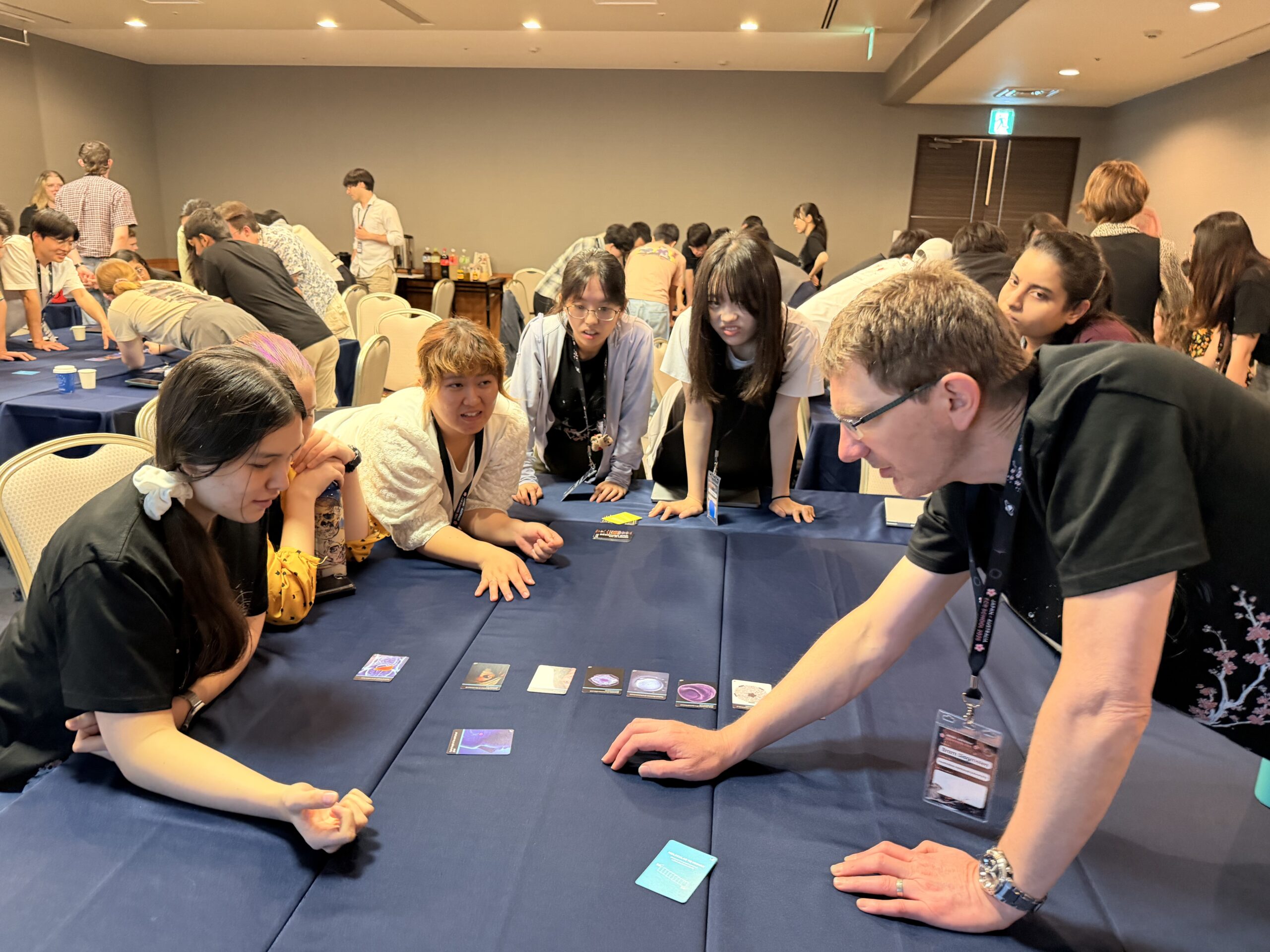
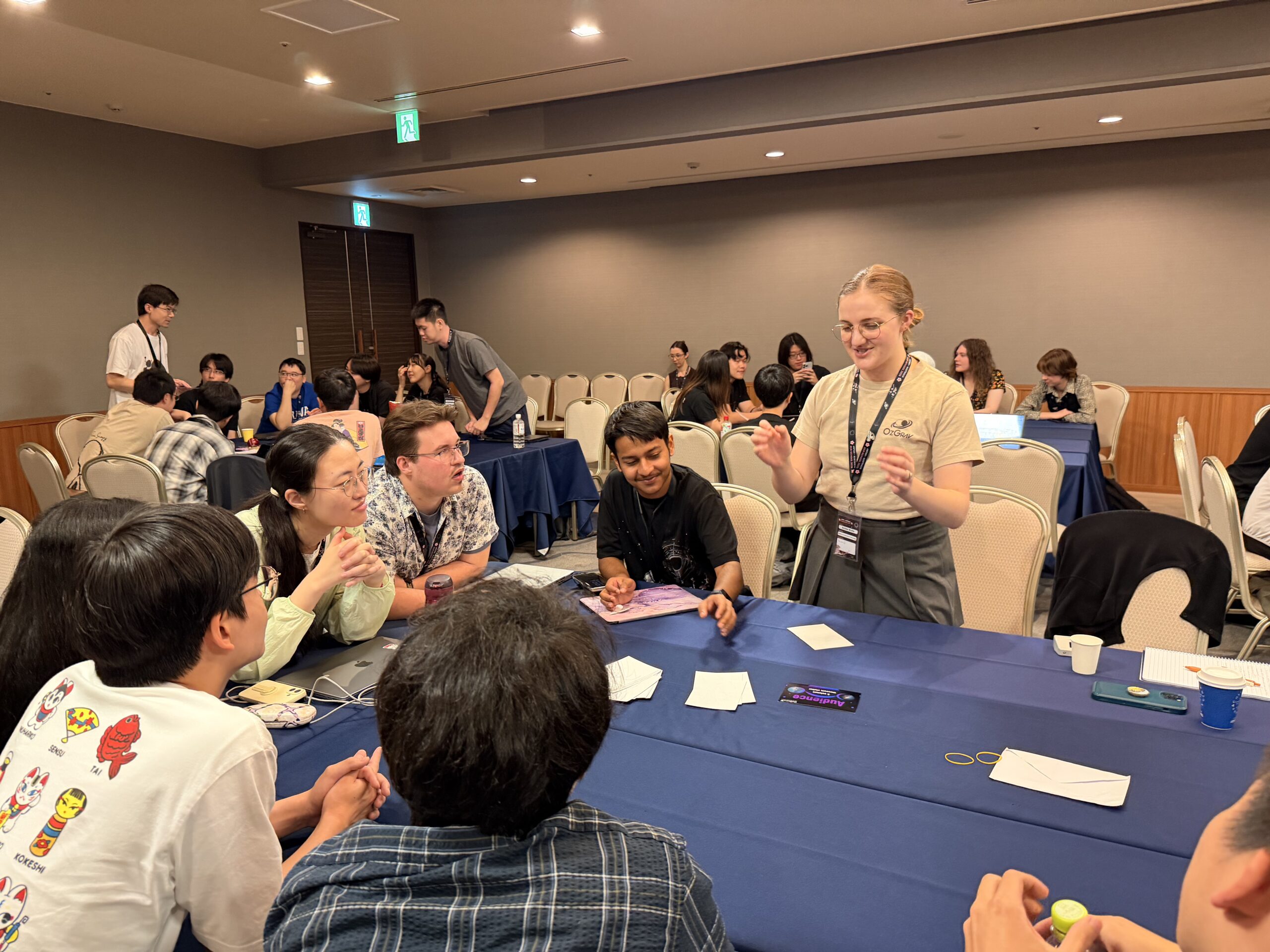
Scientific careers are also shaped by the ability to communicate ideas, work across disciplines and cultures, and keep going when research does not unfold as planned. Workshops explored storytelling, improvisation and scientific presentations, while a candid session on research failures encouraged participants to share experiences of rejected papers, unsuccessful experiments, coding problems and the uncertainty behind scientific progress.
There was something powerful about seeing young researchers realise they were not alone in those experiences.
Connecting through culture
The cultural exchange became one of the most memorable parts of the school.
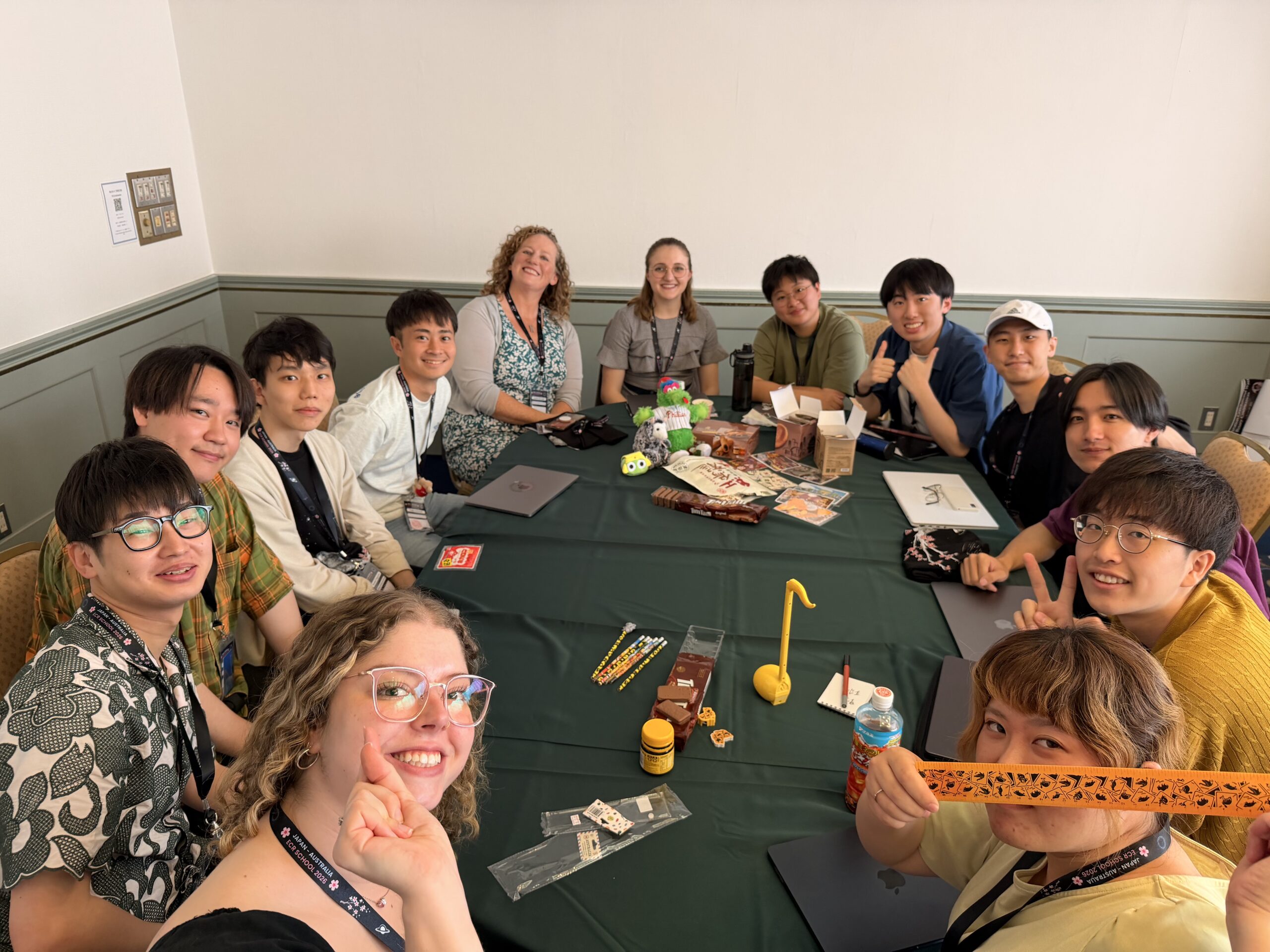
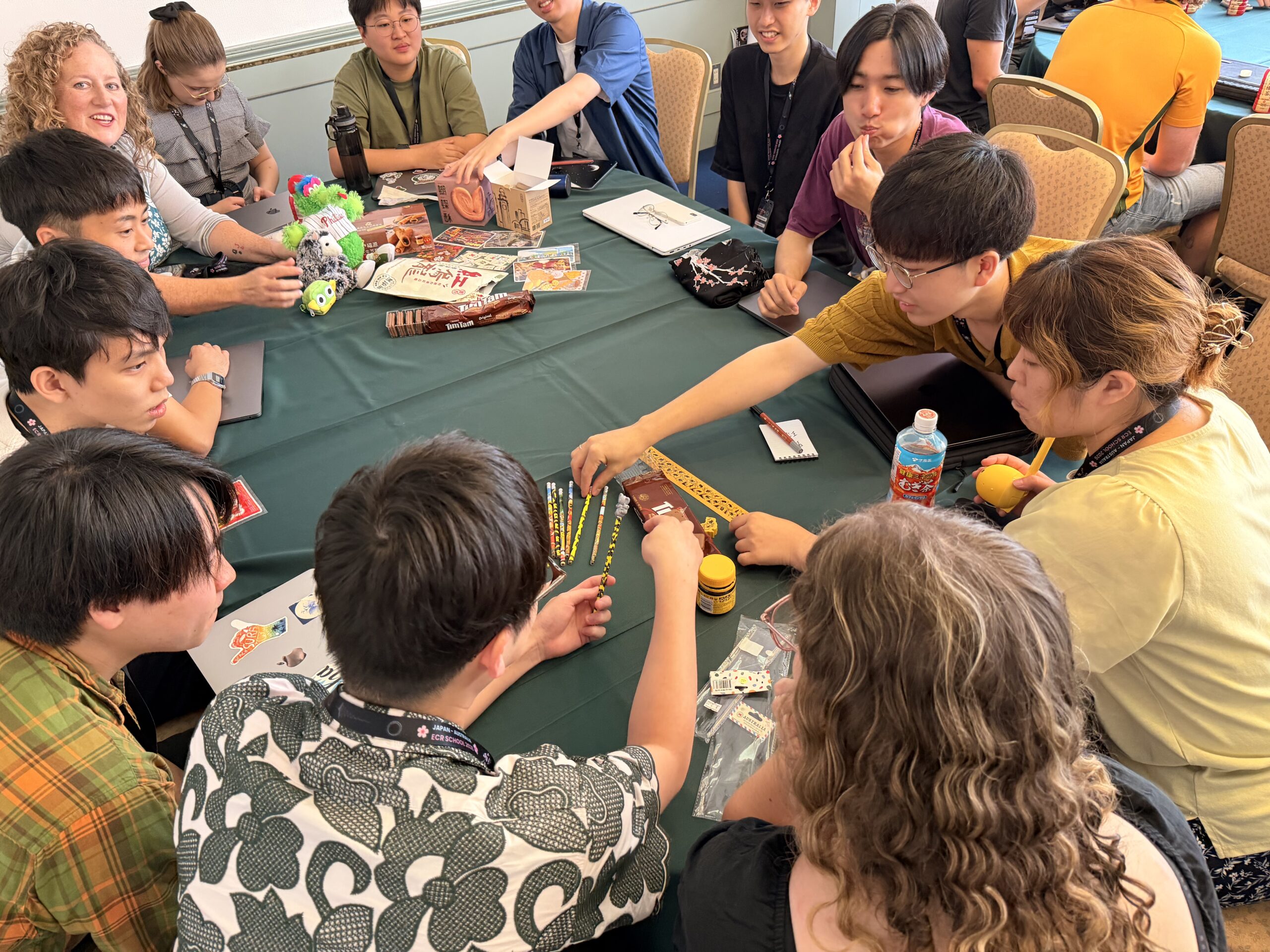
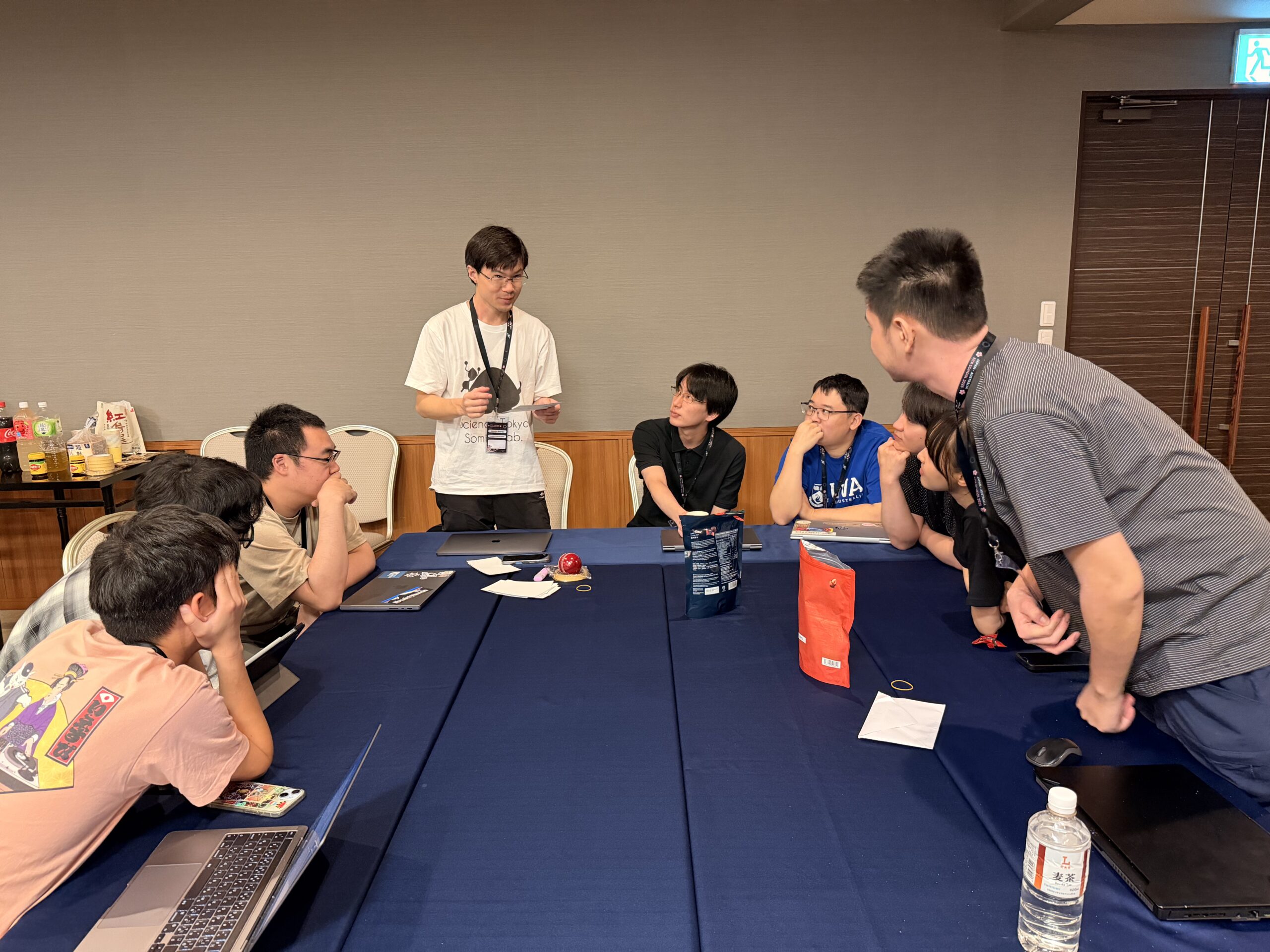
Participants brought a small object, photograph or story representing something meaningful from their culture. In mixed Australian and Japanese groups, they shared stories about family, food, language, celebrations, landscapes and traditions.
The change in the room was immediate. People who had only just met began speaking openly, laughing together and finding connections beyond their research titles and institutions.
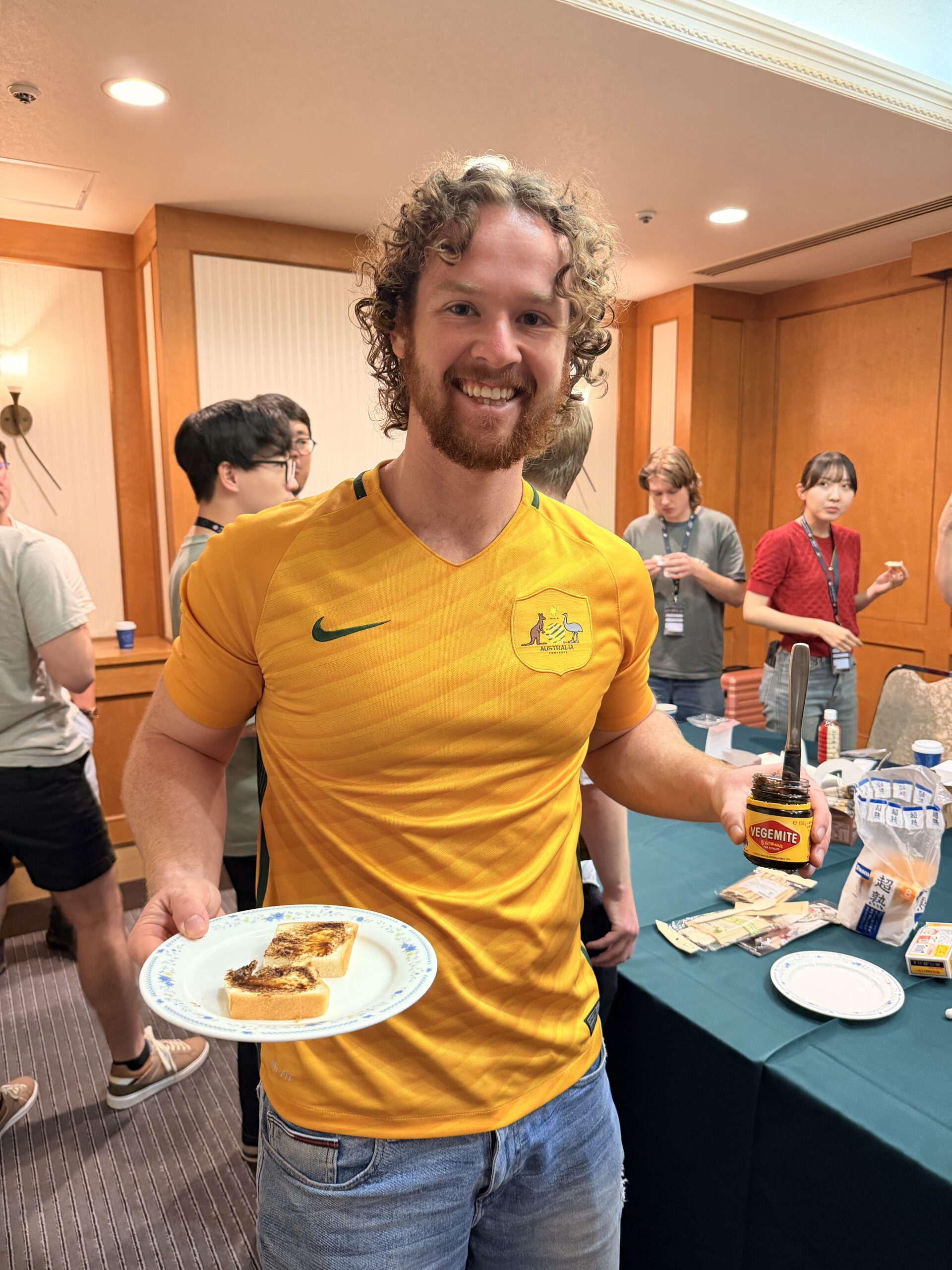
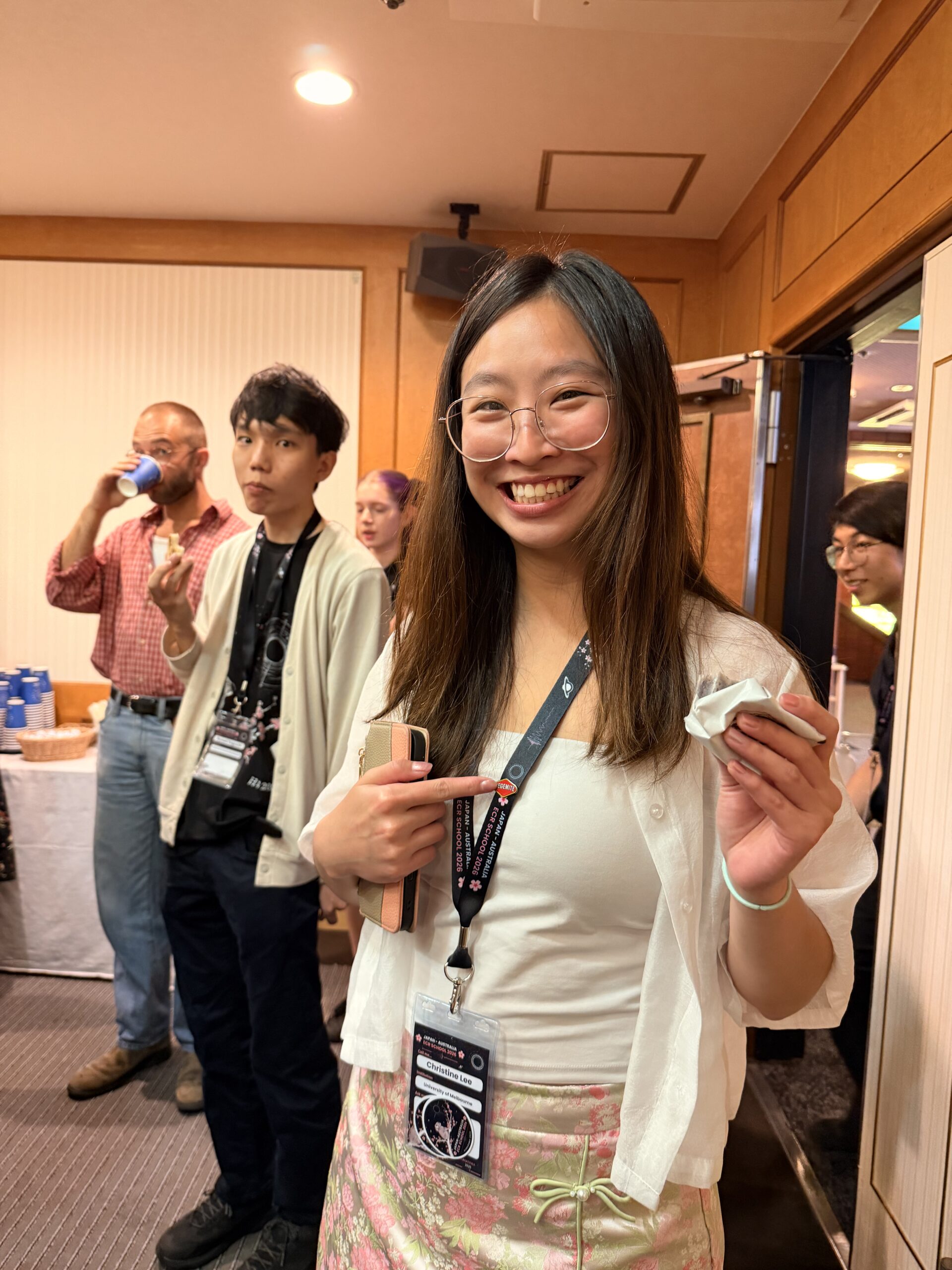
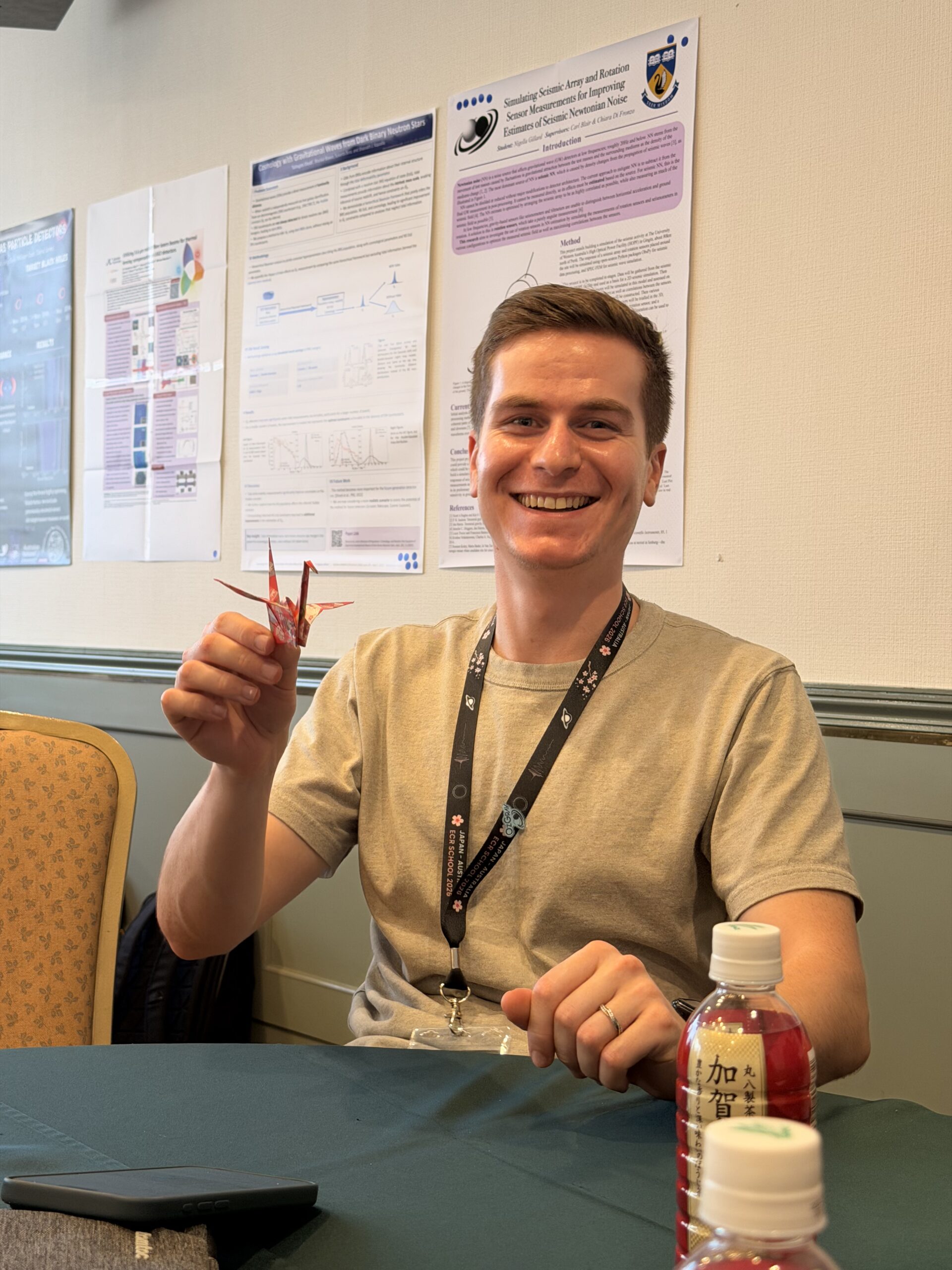
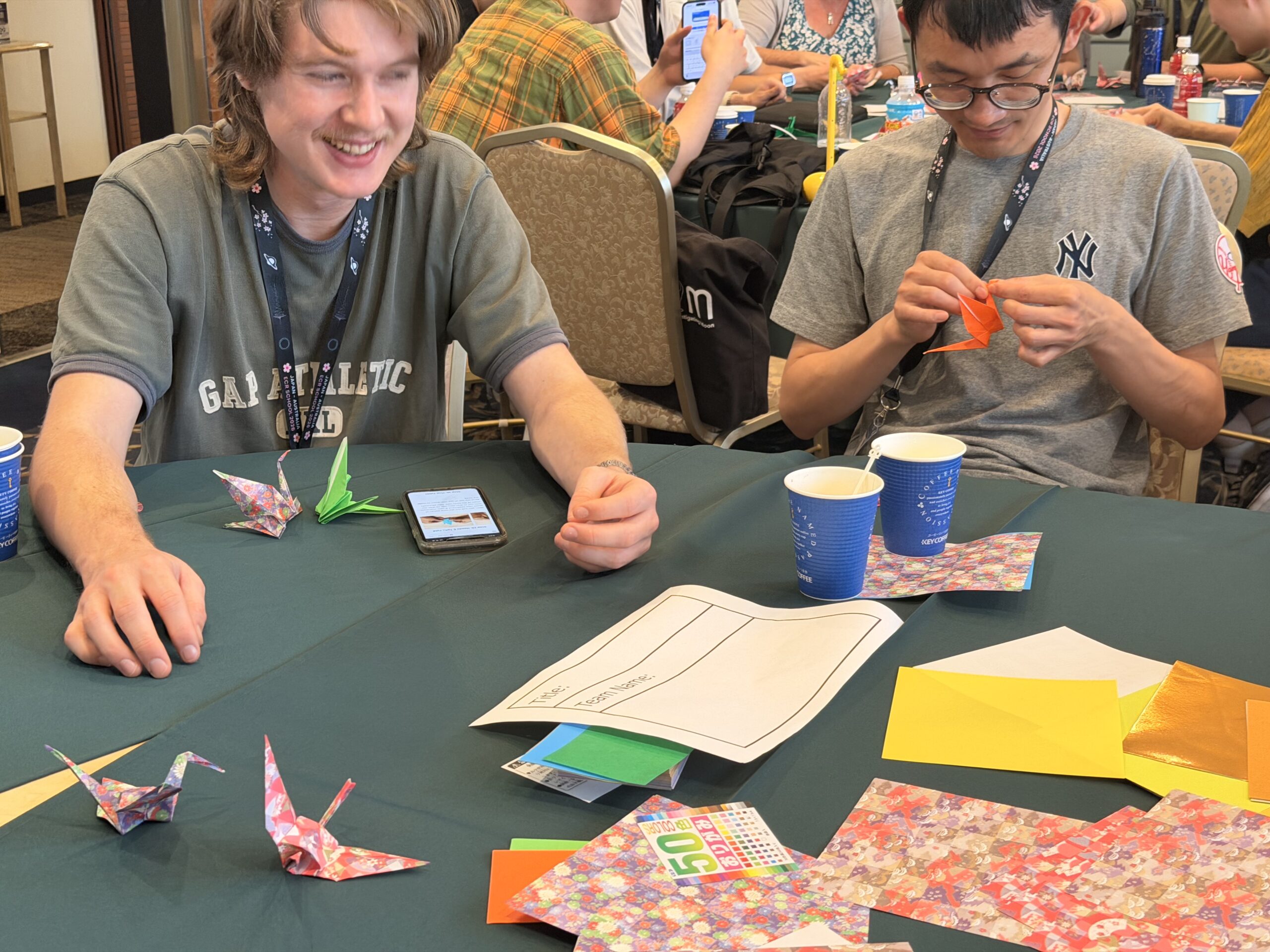
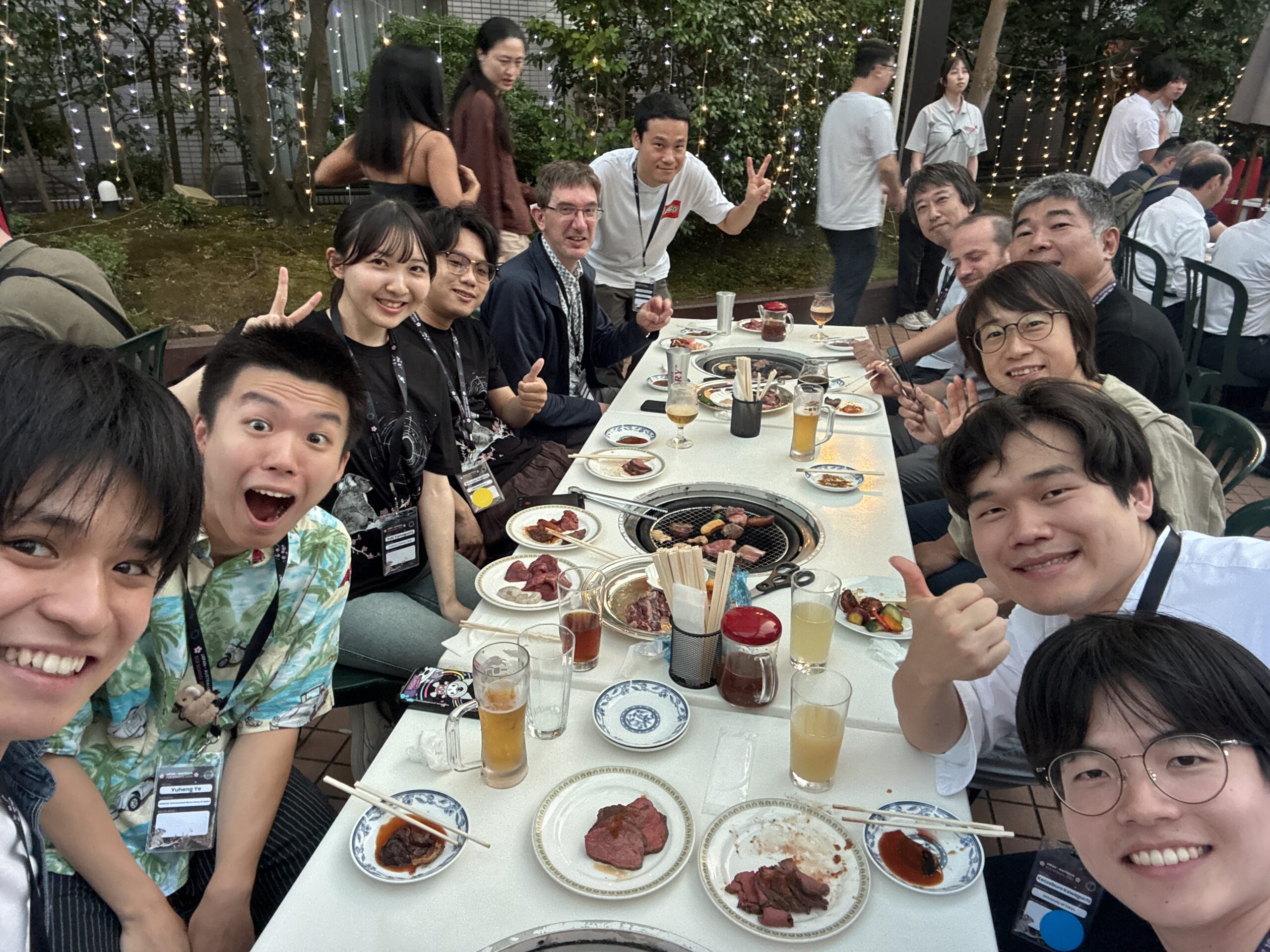
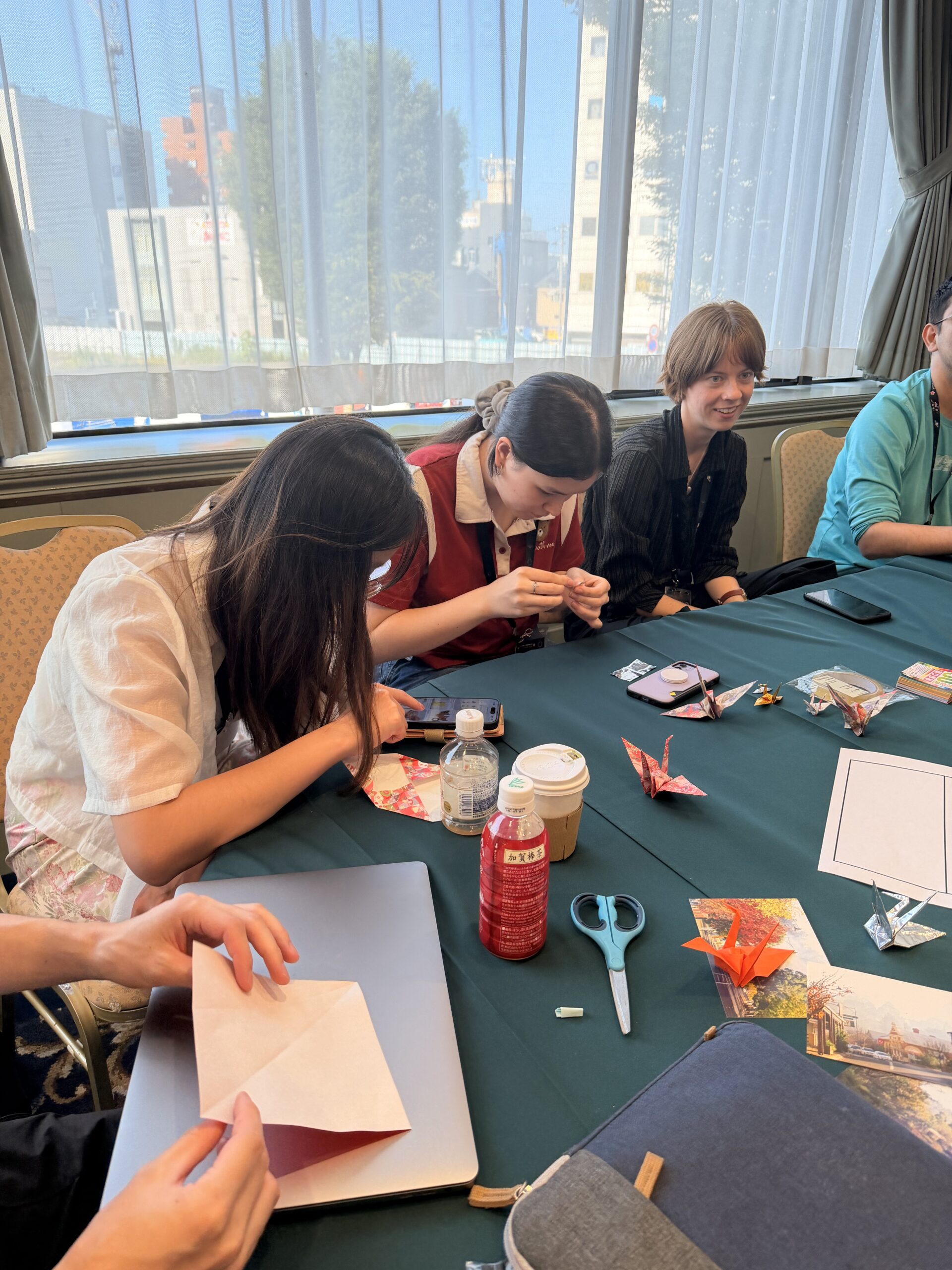
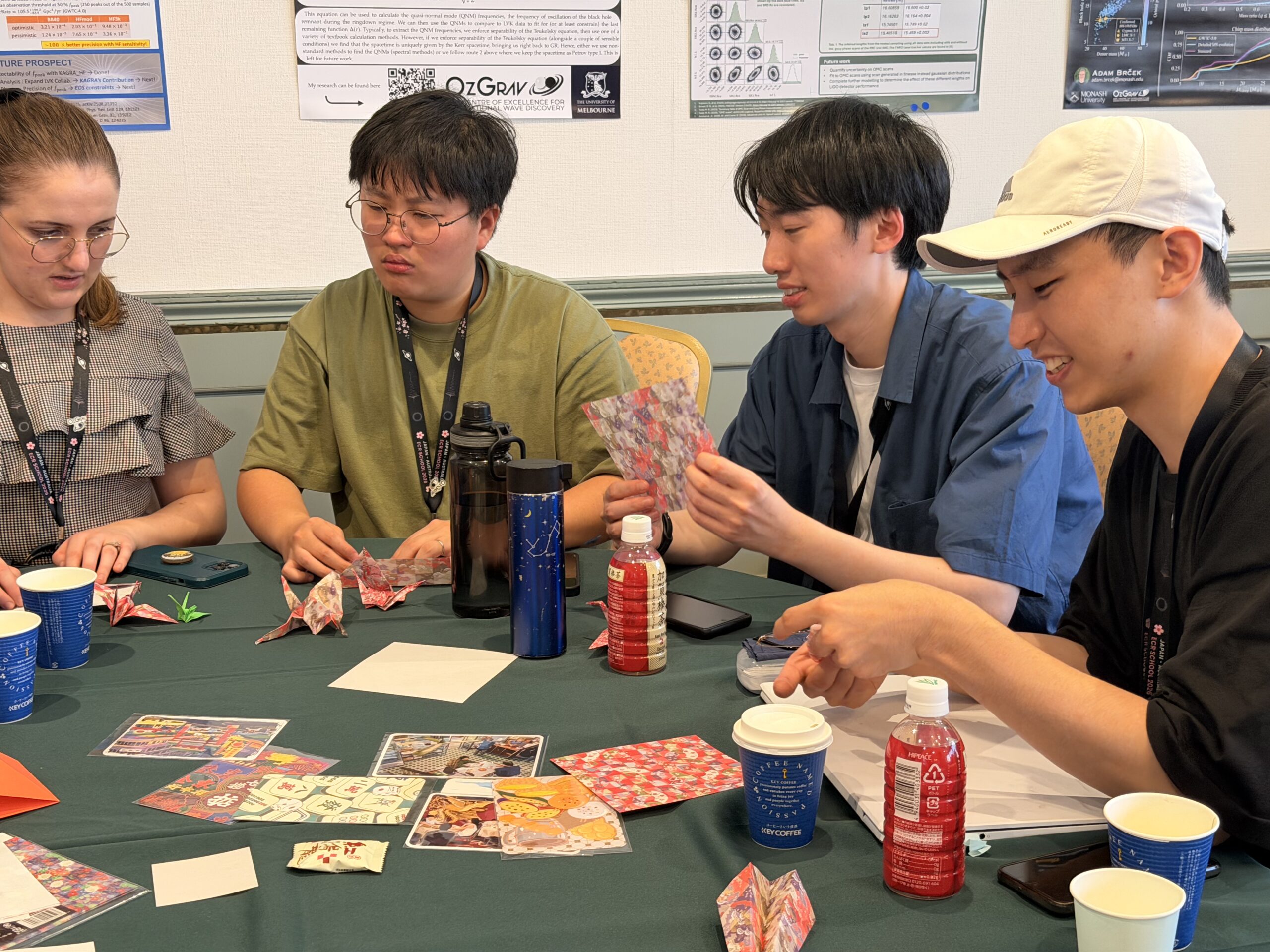
That spirit continued through an origami activity linking Japanese paper art with gravitational-wave science, as well as a team challenge through Kanazawa’s Omicho Market. Receptions, shared meals and informal conversations around the city gave those new connections room to grow.
These activities were not separate from the scientific purpose of the school. They were central to it.
International science depends on curiosity, trust and a willingness to understand the people behind the work. By learning about each other’s cultures and experiences, participants created a stronger foundation for future collaboration.
For me, one of the most rewarding parts of the week was watching the room change. Researchers who arrived as members of separate Australian and Japanese groups gradually became one community—sharing ideas, helping one another, celebrating each other’s work and forming friendships that I hope will continue for many years.
The school demonstrated that the future of the Australia–Japan relationship will be shaped not only by scientific excellence, but by the people behind the science. Participants returned to their institutions with new knowledge, a deeper appreciation of each other’s cultures and the beginnings of collaborations that may continue for decades.
Fifty years after Australia and Japan formalised their friendship, the next generation is already helping write its next chapter—one conversation, one collaboration and one discovery at a time.
Acknowledgements
This school would not have been possible without the dedication, generosity and countless hours contributed by our organising committee. On behalf of everyone involved, thank you for your passion, collaboration and commitment to creating an unforgettable experience for the next generation of Australian and Japanese researchers.
Japan organising team: Kentaro Somiya, Haoyu Wang, Kenta Tanaka, Hayato Imafuku, Daiki Watarai and Kazuya Kobayashi.
Australia organising team: Diana Haikal, Jackie Bondell, Neil Lu, Christine Lee, Samuel Sentschuk, Ari Hernandez and Olivia Vidal Velázquez.
Photo Gallery: A selection of moments from the Joint OzGrav–KAGRA Early Career Researcher School, capturing four days of scientific discovery, cultural exchange and the friendships that reflect the enduring partnership between Australia and Japan.
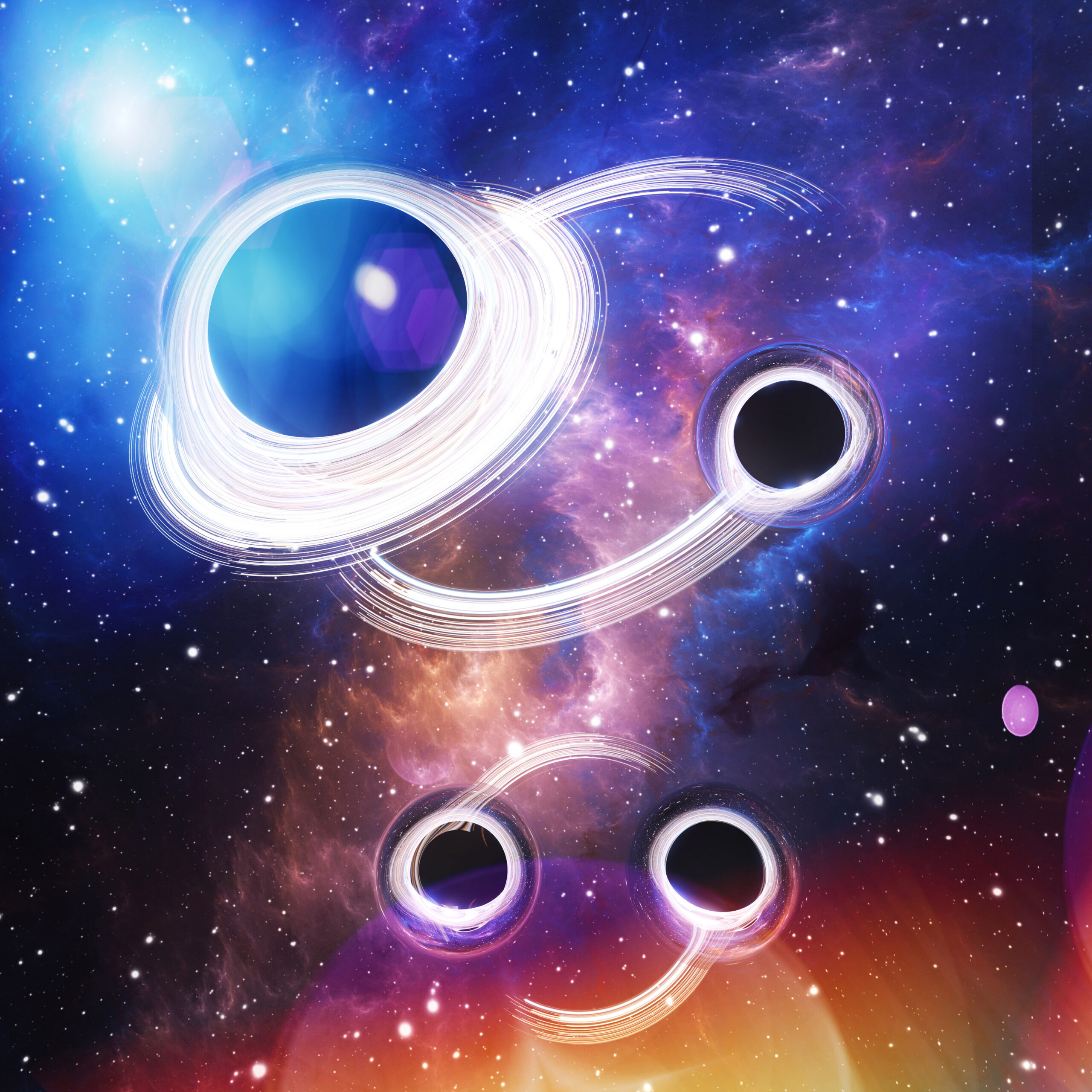
For a decade, gravitational-wave observatories have been detecting collisions between black holes across the Universe. Now, after analysing more than 150 binary black hole mergers, researchers have found evidence that these collisions can be divided into at least three distinct families, each with different characteristics and potentially different origins.
Black Hole Populations – Carl Knox OzGrav, Swinburne University of Technology
The study, led by postdoctoral fellow Dr Sharan Banagiri from the ARC Centre of Excellence for Gravitational Wave Discovery (OzGrav) and Monash University, analysed the growing catalogue of gravitational-wave detections from the international LIGO–Virgo–KAGRA (LVK) Collaboration. Researchers found that black holes appear to cluster into three subpopulations, separated by distinct mass ranges and characterised by different spin and pairing behaviours.
The findings, published in Physical Review Letters, suggest that the Universe may not produce merging black holes through a single dominant process, as many researchers once expected.
“The population of binary black holes that we are discovering is complex enough that we cannot easily say it looks like one formation channel is making the vast majority of black holes,” Dr Banagiri said.
Black holes can form in a variety of environments. Some might originate from pairs of massive stars born together that eventually collapse into black holes and merge. Others may form in dense stellar clusters where black holes dynamically capture one another, while some may grow through repeated mergers over time.
The challenge for astronomers is that they cannot directly observe how individual black holes formed. Instead, they must work backwards from the mergers they detect through gravitational waves.
Dr Banagiri compares the problem to finding a pile of leaves on the ground and trying to work out the different kinds of trees they came from without looking at the trees themselves.
“You can look at the leaves and say maybe that’s a maple, maybe that’s a cherry tree. By the shape and geometry of the leaves, you can roughly say there are four kinds of trees contributing to this pile of leaves.”
What researchers do is very similar. By analysing a large catalogue of black hole mergers, they can identify patterns in the data and group black holes with similar characteristics into distinct subpopulations.
The researchers found that two key properties proved particularly useful: how fast black holes spin and how they pair with one another.
Based on these characteristics, the analysis revealed three distinct subpopulations of merging black holes, separated by mass: one below about 28 times the mass of the Sun, a second between roughly 28 and 40 solar masses, and a third above 40 solar masses.
The most massive black holes appear to spin faster and pair differently from their lower-mass counterparts.
“Smaller black holes in binaries are relatively slower spinning, and they like to pair with other black holes that are roughly the same mass,” said Dr Banagiri.
“Black holes that are already high mass, greater than 40 solar masses, spin faster and they like to pair with something that’s less massive.”
One possible explanation is that some of the most massive black holes are themselves the products of earlier black hole mergers. In this scenario, known as hierarchical merging, a black hole formed in a previous merger later merges again, creating progressively larger black holes.
While the new results are consistent with that picture, the researchers stress that more observations will be needed before any individual formation pathway can be confirmed.
“The main discovery is that you can statistically separate the detections into different clusters,” said Dr Banagiri.
“There are very interesting clues that are starting to become visible, but that link is not yet fully clear.”
The work highlights how gravitational-wave astronomy is entering a new phase. Rather than simply detecting black holes, researchers are beginning to study their demographics and evolutionary histories.
The findings do not change scientists’ understanding that black holes form when massive stars collapse. Instead, they provide new clues about what shapes the characteristics of black holes throughout their evolution.
“The question is: what kinds of environments and what kinds of physics are dictating the properties of the black holes that we see?” said Dr Banagiri.
As gravitational-wave detectors continue to improve and future observing runs deliver hundreds or even thousands more detections, researchers hope to refine the emerging picture of how black holes form and evolve across the Universe.